Brandywine Counseling & Community Services (BCCS) | Newark
24 Brookhill Dr
Newark, DE 19702
 Sponsored
About Brandywine Counseling & Community Services (BCCS) | Newark
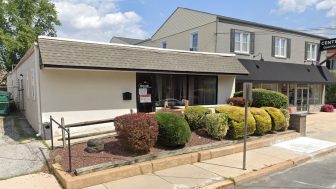
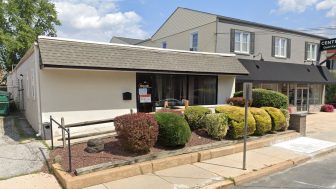
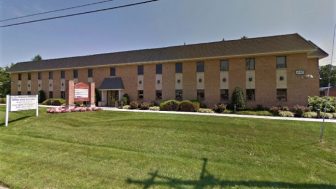
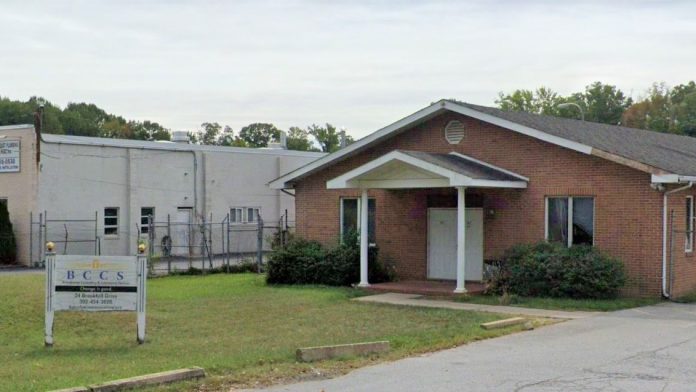
Brandywine Counseling Newark Treatment Center in Newark, Delaware, is one of the organization’s many accredited behavioral healthcare locations. Their Newark center provides a range of mental and behavioral services, including addiction treatment and dual diagnosis treatment to adults aged 18 and older. Pregnant individuals will be given priority for services.
Of the addiction treatment programs offered here, clients can choose from a specialized opioid treatment program (OTP), office-based opioid treatment (OBOT) program, as well as standard and intensive outpatient programs (IOP). OBOT uses meds like Suboxone (buprenorphine and naloxone) and Subutex (buprenorphine). It’s designed for individuals who, for a number of reasons, are deemed able to effectively self-administer and manage their prescriptions from home while regularly attending counseling sessions.
Medication assisted treatment (MAT) is primarily available through the OTP and OBOT programs, with same-day medication and support services available. All clients must meet with staff for this. MAT in these programs uses FDA approved methadone, Suboxone (buprenorphine and naloxone), and Subutex (buprenorphine). These are provided alongside behavioral therapy and counseling for best results. In this way, clients can address the mental and emotional elements of their addiction and negative behavioral patterns, while the medication takes care of unwanted physical symptoms like withdrawal and cravings.
At this location, clients can also access a perinatal program, designed with the needs of pregnant, parenting, and postpartum women, as well as birthing partners, in mind. It provides specialized behavioral care for this demographic, as well as case management and support for safe and healthy deliveries.
Amenities
Private drug rehab provides a comfortable, secure environment that allows you to focus on doing the work to get your life back on track. Benefits include a higher staff-to-client ratio, increased one-on-one time with therapists and healthcare providers, private rooms for clients, and customized forms of therapy.
Addiction Treatment Programs
An adult program in Delaware provides addiction recovery services for individuals ages 18 and older. Treatment is typically offered on a continuum of care, based on the severity of the addiction.
Successful opioid rehab in Delaware addresses medical, emotional, and relational aspects of addiction. Treatment provides the professional intervention necessary to get your life on track, through personalized programs that address your unique needs.
Men’s rehab in Delaware gives men the benefit of speaking with other men about their substance use disorder and related challenges. This connection can be an important part of the recovery process.
Women’s rehab in Delaware offers treatment for women with substance use disorders. These programs often include dual diagnosis treatment, so women can also get help for co-occurring disorders such as depression, anxiety, ADHD, bipolar disorder, and PTSD.
Recovery can begin at drug rehab in Delaware. These programs specialize in providing an environment that encourages rest, rejuvenation, and a restart to life. Individuals receive customized treatment that is designed to put them on the path to recovery.
Levels of Care
Delaware outpatient rehab provides ongoing treatment while allowing you to fulfill other obligations at work and home. It involves attending treatment sessions several times per week and attending a support group. This treatment may continue for weeks or months, depending on your recovery needs.
When you enter drug rehab in Delaware, detox is usually the first step in recovery. This is the process of slowly and safely ridding your body of all addictive substances, under medical supervision.
When a mental health disorder and substance abuse disorder exist simultaneously, dual diagnosis in Delaware is necessary for proper treatment. Common co-occurring disorders include depression, anxiety, ADHD, and eating disorders.
Accreditations
Contact Information


 Sponsored