Boca Recovery Center – Bloomington Alcohol & Drug Rehab
2306 W 3rd St
Bloomington, IN 47404
 Sponsored
About Boca Recovery Center – Bloomington Alcohol & Drug Rehab
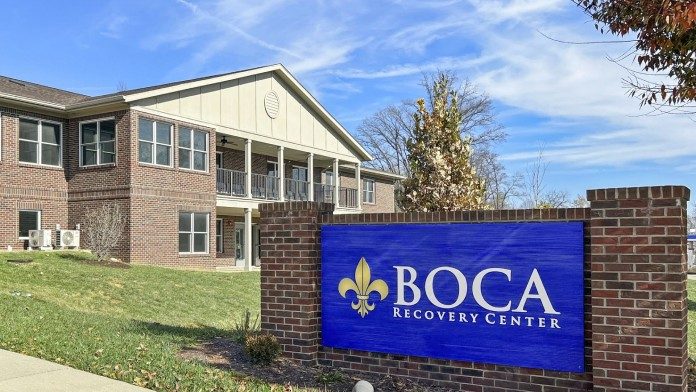
Boca Recovery Center in Bloomington is an Indiana drug and alcohol rehab center. They offer a luxury substance abuse treatment facility. They have inpatient and outpatient programs available, depending on the needs of each guest. You’ll have five acres of serene, peaceful countryside landscape to enjoy while you work on addiction challenges.
Medication assisted treatment is available to help alleviate withdrawal symptoms and decrease drug cravings. Their medical detox provides a secure space for you to withdraw while having a supervised setting for safety and comfort.
They use evidence based methods, like cognitive behavioral therapy, to examine thoughts, feelings, and behaviors that may relate to addiction challenges. You can work on developing healthy coping skills, avoiding substance triggers, and learning relapse prevention strategies.
Group therapy includes CBT methods and dialectical behavior therapy to help you change lifestyle patterns that could impact your sobriety. You can learn how to process stressful situations and develop healthy responses. Group sessions include others in recovery who can provide feedback regarding challenges and struggles with substances. Amenities include a movie theater, gym and recreational facilities for relaxation and fun.
Amenities
Private drug rehab provides a comfortable, secure environment that allows you to focus on doing the work to get your life back on track. Benefits include a higher staff-to-client ratio, increased one-on-one time with therapists and healthcare providers, private rooms for clients, and customized forms of therapy.
Residential drug rehab provides the comforts of home with the therapeutic support needed to successfully recover. Benefits of an inpatient program include increased safety, a higher success rate, and the time and distance given to focus on recovery. Residential drug rehabs are often the preferred method of treatment, as they can be tailored to meet specific needs, offer focused therapeutic care, and provide the necessary tools to sustain recovery.
Recreational therapy uniquely combines therapeutic interventions with an activity, like horse-riding, hiking, wilderness therapy, basketball, tennis, or a full workout. Benefits of recreational therapy include providing a healthy way to work through the emotions of recovery, learning to build and maintain relationships, improving communication skills, and building self-esteem.
Yoga and meditation are great activities to support your recovery process during alcohol or drug rehab. These therapies have been around for centuries, and they are an effective way to improve well-being. Combining addiction treatment, yoga, and meditation can reduce cravings, improve sleep, relieve anxiety and depression, provide stress relief, promote relaxation, support emotional healing, and improve energy levels.
Treatment centers with a yoga studio offer a special form of holistic therapy during the recovery process. Yoga boosts mindfulness, a sense of calm, and healthy reflection during drug rehab via breathing exercises, stretching, and a progression of specific postures.
In order to maintain a sense of autonomy, many private rehab facilities offer clients the ability to choose their own private rooms. The privacy and personal space ensure that the recovery process is as comfortable as possible.
When paired with cognitive-behavioral therapy, exercise can be an effective tool for overcoming addiction. Drug rehabs with a gym offer clients healthy ways to increase energy levels, balance the body’s stress hormone levels, and aid in the brain’s healing process.
Luxury rehab is a form of treatment offered in a residential, resort-style setting. You’ll receive personalized treatment from staff and clinicians, have access to forms of treatment that go beyond what a typical inpatient rehab offers, and offer specific amenities like ocean views, large single occupancy bedrooms with private baths, and complementary spa treatments like massage, acupuncture, or reiki. Most luxury rehab centers have a limited number of beds.
Wilderness rehab programs offer all the benefits of a traditional drug rehab, but with the added benefits of outdoor adventure. Venture out into the forest to learn new skills, explore the beauty of nature, and relieve stress. Engaging in wilderness activities is a great way to gain self-discovery and release negative emotions.
When used as part of an evidence-based treatment plan, basketball can boost physical and mental health, lead to sharper thinking, and facilitate improved self-esteem. Drug rehabs with a basketball court also place a focus on teamwork and cooperation.
Addiction Treatment Programs
Each young adult program in Indiana covers a wide range of addictions. Programs offer evidence-based therapies to treat alcohol, heroin, opioid, cocaine, benzodiazepine, and marijuana addictions, among others.
An adult program in Indiana offers recovery services to those who have become addicted to drugs or alcohol. Treatment may include inpatient or outpatient services, medication, and a variety of therapy methods.
If you choose an alcohol rehab in Indiana, you’ll progress through four stages of recovery. Rehab begins with treatment initiation, then moves to early abstinence, then maintaining abstinence, and finally advanced recovery. The outcome is a new, healthy sober lifestyle.
Men’s rehab in Indiana allows for greater participant engagement by offering same-gender treatment sessions. Often, men feel more comfortable in these settings, so they are more willing to share and receive support.
Women’s rehab in Indiana can be very beneficial for participants. These programs offers services that are designed specifically for women, which can help participants overcome the unique challenges they face.
During opioid rehab in Indiana, addiction specialists help individuals stop abusing prescription drugs or other opioids. Comprehensive treatment includes inpatient rehab, behavioral therapy methods, and alternative therapies. Many rehabs in Indiana include detox and medication assisted treatment.
Cognitive behavioral therapy in Indiana helps those struggling with addiction deal with triggers (something that compels a person to seek their substance of choice). This method teaches individuals healthy ways to handle situations without turning to substance use.
For long-term recovery from drug addiction, drug rehab in Indiana is often key. This treatment gives individuals who are struggling with a substance use disorder the tools to manage their disorder and achieve long-term sobriety.
Elderly rehab in Indiana uses many of the same treatment methods as general population programs, but with a focus on challenges of aging. Methods often include 12-step programs, behavioral therapy, and motivational interviewing.
Rational emotive behavioral therapy in Indiana can improve quality of life by helping individuals who are struggling with addiction replace negative thoughts and behaviors with healthy ones. This treatment method is often included as part of a recovery treatment plan.
Fitness therapy is an evidence-based complementary approach to addiction recovery and mental health care. Based on mounting scientific evidence of the benefits of physical activity in improving mood, enhancing clients’ sense of wellbeing, and decreasing depression and anxiety, fitness therapy encompasses a wide spectrum of intensities, from gentle yoga, qigong, and tai chi to weight training, kickboxing, and other highly physical activities.
Assertive Community Treatment (ACT) is an integrative, community-based care strategy designed to address the needs of persons with severe and/or complex mental illness or behavioral disorders. ACT is typically provided by a multidisciplinary team of medical and mental health care providers, social workers, therapists, and other specialists, including addiction recovery professionals. These services are frequently provided in the home and community to clients in crisis, those who are clinically unstable, and those who are unable or unwilling to travel to a hospital or clinic for in-person treatment.
Levels of Care
Indiana outpatient rehab focuses on providing tools necessary to stay sober. This involves several weekly counseling sessions and involvement in at least one support group, such as NA or AA, for several weeks or months. During that time, you’ll learn how to replace unhealthy habits with healthy ones and prevent relapse.
Dual diagnosis in Indiana treats co-occurring disorders, meaning it addresses both your mental health and recovery needs. A multidisciplinary team of psychiatrists and addiction experts work together to ensure all aspects of your mental and physical health are treated.
During inpatient reahb, you live at the treatment facility and participate in several forms of therapy throughout each day. You also engage in forms of psychotherapy, which usually includes group and family therapy as well as individual counseling. Many programs also offer holistic treatment and recovery-focused life skills training.
Detox in Indiana involves 24/7 professional care while substances are cleansed from your body. Medications are often given to alleviate withdrawal symptoms during this time. The process varies in length, depending on your history of dependency and the type of drug.
Sober living in Indiana often acts as a bridge between rehab and independent living. In this setting, you’ll start applying the things you learned in rehab to begin living a sober lifestyle. Because the first few months can be your most vulnerable, the sober living house will provide structure to help you maintain sobriety.
Intervention services in Indiana can help you convince your loved one to get the treatment they need. Professionals are available to provide pre-intervention counseling to family members, facilitate an intervention, and assist with the development of a treatment plan.
While in a partial hospitalization program (PHP), you receive treatment similar to an inpatient program, but you’re able to live at home during non-treatment times. PHPs often serve as a step between inpatient and outpatient drug rehab in Indiana.
Accreditations
Accepted Insurance


Contact Information


 Sponsored