
Bloomington Meadows Hospital
 Sponsored
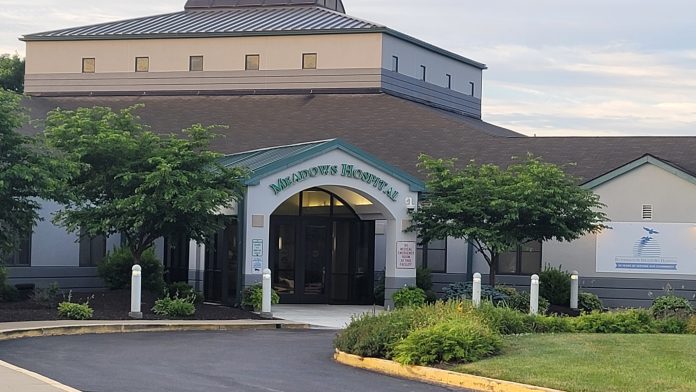
About Bloomington Meadows Hospital
Bloomington Meadows Hospital, a behavioral health treatment program in Bloomington, Indiana, admits children, adolescents and adults to acute psychiatric hospital care and outpatient treatment.
Intensive outpatient treatment meets on three days for three hours each day, and the groups are also offered by video visit.
I noticed that schedule can leave room for you to stay at work or in school on the other days of the week.
Medicaid and Age Rules
Bloomington Meadows accepts Medicaid, and insurance checks run around the clock. You aren't limited to a workday when you need that coverage check.
The mental health intensive outpatient program takes children who are 9 to 12 and adolescents who are 13 to 17, while the child and adolescent acute inpatient program covers ages 6 to 17.
The adult mental health intensive outpatient program uses cognitive behavioral therapy and dialectical behavior therapy, a structured form of talk therapy.
I also found that assessment and referral are available every hour of every day. The hospital serves communities across Indiana.
Amenities
Private drug rehab provides a comfortable, secure environment that allows you to focus on doing the work to get your life back on track. Benefits include a higher staff-to-client ratio, increased one-on-one time with therapists and healthcare providers, private rooms for clients, and customized forms of therapy.
Residential drug rehab provides the comforts of home with the therapeutic support needed to successfully recover. Benefits of an inpatient program include increased safety, a higher success rate, and the time and distance given to focus on recovery. Residential drug rehabs are often the preferred method of treatment, as they can be tailored to meet specific needs, offer focused therapeutic care, and provide the necessary tools to sustain recovery.
In order to maintain a sense of autonomy, many private rehab facilities offer clients the ability to choose their own private rooms. The privacy and personal space ensure that the recovery process is as comfortable as possible.
Addiction Treatment Programs
Outpatient programs are offered for children ages 9 to 12 and for adolescents ages 13 to 17. Programs also cover children and adolescents from 6 to 17.
An adult program in Indiana offers recovery services to those who have become addicted to drugs or alcohol. Treatment may include inpatient or outpatient services, medication, and a variety of therapy methods.
Men’s rehab in Indiana allows for greater participant engagement by offering same-gender treatment sessions. Often, men feel more comfortable in these settings, so they are more willing to share and receive support.
Women’s rehab in Indiana can be very beneficial for participants. These programs offers services that are designed specifically for women, which can help participants overcome the unique challenges they face.
Cognitive behavioral therapy in Indiana helps those struggling with addiction deal with triggers (something that compels a person to seek their substance of choice). This method teaches individuals healthy ways to handle situations without turning to substance use.
Elderly rehab in Indiana uses many of the same treatment methods as general population programs, but with a focus on challenges of aging. Methods often include 12-step programs, behavioral therapy, and motivational interviewing.
Rational emotive behavioral therapy in Indiana can improve quality of life by helping individuals who are struggling with addiction replace negative thoughts and behaviors with healthy ones. This treatment method is often included as part of a recovery treatment plan.
Assertive Community Treatment (ACT) is an integrative, community-based care strategy designed to address the needs of persons with severe and/or complex mental illness or behavioral disorders. ACT is typically provided by a multidisciplinary team of medical and mental health care providers, social workers, therapists, and other specialists, including addiction recovery professionals. These services are frequently provided in the home and community to clients in crisis, those who are clinically unstable, and those who are unable or unwilling to travel to a hospital or clinic for in-person treatment.
Levels of Care
Dual diagnosis in Indiana treats co-occurring disorders, meaning it addresses both your mental health and recovery needs. A multidisciplinary team of psychiatrists and addiction experts work together to ensure all aspects of your mental and physical health are treated.
The moment your initial treatment ends, aftercare rehab in Indiana begins. Multiple aftercare resources are available to help you confidently re-enter life and maintain sobriety. This support may last for a year or more, providing assistance with counseling, job coaching, budgeting assistance, and other life skills.
During inpatient reahb, you live at the treatment facility and participate in several forms of therapy throughout each day. You also engage in forms of psychotherapy, which usually includes group and family therapy as well as individual counseling. Many programs also offer holistic treatment and recovery-focused life skills training.
Detox in Indiana involves 24/7 professional care while substances are cleansed from your body. Medications are often given to alleviate withdrawal symptoms during this time. The process varies in length, depending on your history of dependency and the type of drug.
Sober living in Indiana often acts as a bridge between rehab and independent living. In this setting, you’ll start applying the things you learned in rehab to begin living a sober lifestyle. Because the first few months can be your most vulnerable, the sober living house will provide structure to help you maintain sobriety.
Accreditations
Contact Information


 Sponsored
Patti Croft is a full-time writer who writes about accessing effective addiction treatment during the day but is also pursuing her dream of penning a novel in her spare time. She enjoys copious amounts of coffee as creative fuel and sharing an office with her adorable cat, Beau. Her background is in healthcare management, and she is a passionate advocate for mental health and addiction care.
Rehabs.org regularly reviews this listing for accuracy but changes may occur between updates. For the most up-to-date information, please contact Bloomington Meadows Hospital.
Nearby Treatment Centers

Popular Indiana Cities
More Cities View Other Indiana CitiesFAQs
How does insurance verification work at Bloomington Meadows Hospital?
Insurance verification is available 24 hours a day and seven days a week, with or without an appointment. Level of care assessments and admissions are available in that same window. Coverage questions tie into health insurance for rehab when a plan is part of getting in.
Is Bloomington Meadows inpatient, outpatient or both?
Both. Inpatient care and outpatient mental health treatment are offered for children, adolescents and adults. The intensive outpatient program is for people who don’t need round-the-clock inpatient care, and a virtual track lets people join group therapy by video visit.
Which ages do the youth programs take?
Outpatient programs take children from age 9 to age 12 and adolescents from age 13 to age 17, a kind of outpatient rehab. Programs for children and adolescents also cover ages 6 to 17.
How many days a week does the intensive outpatient program meet?
Three days a week, and three hours on each of those days, is the typical schedule. The intensive outpatient program is for people who don’t need round-the-clock inpatient care. The hours stay inside that shorter window rather than an overnight stay.
