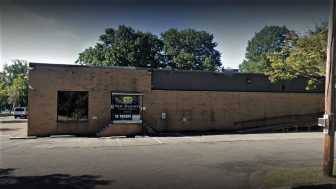
Bergen New Bridge Medical Center
230 E Ridgewood Ave
Paramus, NJ 07652
 Sponsored
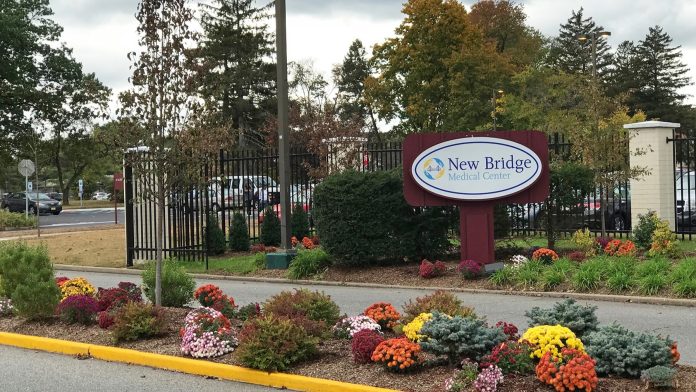
About Bergen New Bridge Medical Center
Bergen New Bridge Medical Center in Paramus, New Jersey, is a substance use treatment provider offering a full continuum of addiction care. They recently launched the Center for Comprehensive Addiction Treatment (CCAT).
Core services include medical detoxification, residential inpatient treatment, PHP (partial hospitalization), IOP (intensive outpatient) and teen-specific treatment through Teen T.H.R.I.V.E.
Clients often appreciate the stigma-free, whole-person care and strong support for families in their recovery journey.
Helpful Treatment Approaches
Treatments include individual and group therapy, psycho-education, supportive counseling, and 12-Step framework approaches.
For addiction medicine, I noticed they offer medication-assisted treatment (MAT) such as buprenorphine when needed. It can help to minimize your cravings and withdrawal symptoms. The facility also manages dual-diagnosis issues.
Payment Options For Addiction Treatment
The facility accepts Medicaid, Medicare and most major private insurance plans. Uninsured or underinsured patients may access charity care or financial assistance, though eligibility is determined through their Access Center assessment.
You can contact the Access Center to arrange an assessment. The assessment will help determine which level of care fits your needs.
Amenities
Private drug rehab provides a comfortable, secure environment that allows you to focus on doing the work to get your life back on track. Benefits include a higher staff-to-client ratio, increased one-on-one time with therapists and healthcare providers, private rooms for clients, and customized forms of therapy.
Residential drug rehab provides the comforts of home with the therapeutic support needed to successfully recover. Benefits of an inpatient program include increased safety, a higher success rate, and the time and distance given to focus on recovery. Residential drug rehabs are often the preferred method of treatment, as they can be tailored to meet specific needs, offer focused therapeutic care, and provide the necessary tools to sustain recovery.
In order to maintain a sense of autonomy, many private rehab facilities offer clients the ability to choose their own private rooms. The privacy and personal space ensure that the recovery process is as comfortable as possible.
When paired with cognitive-behavioral therapy, exercise can be an effective tool for overcoming addiction. Drug rehabs with a gym offer clients healthy ways to increase energy levels, balance the body’s stress hormone levels, and aid in the brain’s healing process.
Wilderness rehab programs offer all the benefits of a traditional drug rehab, but with the added benefits of outdoor adventure. Venture out into the forest to learn new skills, explore the beauty of nature, and relieve stress. Engaging in wilderness activities is a great way to gain self-discovery and release negative emotions.
When used as part of an evidence-based treatment plan, basketball can boost physical and mental health, lead to sharper thinking, and facilitate improved self-esteem. Drug rehabs with a basketball court also place a focus on teamwork and cooperation.
Addiction Treatment Programs
There are many benefits to a young adult program in New Jersey. These programs offer a more comfortable environment that helps young adults feel more at home. The peer support provided also helps participants develop healthy relationships for mutual support.
An adult program in New Jersey can take place in different settings. Individuals seeking treatment for addiction can choose from inpatient, outpatient, and sober living homes, which provide treatment at different levels of intensity.
To help you achieve long-term recovery, alcohol rehab in New Jersey addresses addiction issues from medical and psychological viewpoints. By treating the whole person, these programs give you the tools you need to achieve and maintain sobriety.
Gender-specific rehab programs offer a solution to the ways that addiction can affect men and women differently. Men’s rehab in New Jersey focuses on treatments that are most beneficial for men.
Women’s rehab in New Jersey is ideal for women who are uncomfortable in a co-ed treatment environment. Women’s rehab provides a safe and caring setting where they can focus on their treatment and connect with other women who understand.
At opioid rehab in New Jersey, patients receive individualized treatment that is adjusted to meet their needs as they progress toward recovery. Addiction specialists partner with each individual to tailor their treatment to address specific challenges that contribute to their addiction.
During cognitive behavioral therapy in New Jersey, participants develop and learn to implement healthy coping skills. The focus of this psychotherapy method is to change negative thought patterns to positively affect behaviors.
For older adults, elderly rehab in New Jersey provides addiction treatment tailored to their needs. These substance abuse programs offer staff who are experienced with age-related issues and can provide safe, relevant treatment.
Veteran’s rehab in New Jersey addresses common challenges of military personnel who are facing addiction. Treatment may include medications, training in how to handle relapse triggers, development of coping skills, and connections to support groups.
Through the use of rational emotive behavioral therapy in New Jersey, addiction counselors can help individuals improve their emotional wellness, strengthen their relationships with others, and reduce the severity and frequency of negative emotions. These benefits help decrease substance use and encourage recovery.
EMDR Therapy is a neurobiological treatment modality used to address trauma disorders and related mental and behavioral health challenges. Short for eye movement desensitization and reprocessing, EMDR is designed to help clients cope with distressing memories and emotions, including fear, sadness, and anger. EMDR may help clients in addiction recovery manage the psychological and emotional triggers that contribute to substance misuse and/or addiction relapse.
Assertive Community Treatment (ACT) is an integrative, community-based care strategy designed to address the needs of persons with severe and/or complex mental illness or behavioral disorders. ACT is typically provided by a multidisciplinary team of medical and mental health care providers, social workers, therapists, and other specialists, including addiction recovery professionals. These services are frequently provided in the home and community to clients in crisis, those who are clinically unstable, and those who are unable or unwilling to travel to a hospital or clinic for in-person treatment.
Levels of Care
New Jersey outpatient therapy offers a next-step after inpatient treatment. This flexible program is tailored to meet each person’s recovery needs as they step back into life. It includes regular sessions with a counselor and support group, for accountability and continued relapse prevention.
If you have a co-occurring mental health disorder and substance abuse disorder, both must be treated in order for you to recover. Dual diagnosis treatment in New Jersey specializes in this approach. Specialists in both fields will provide the tools and resources you need for recovery.
Inpatient drug rehab in New Jersey offers the most intensive treatment setting, with 24/7 medical care available. While living at the rehab facility, you’ll participate in various treatments, typically including extensive psychotherapies that draw on modalities like cognitive behavioral therapy (CBT) and motivational interviewing.
When you check into New Jersey Drug Rehab, your first step toward recovery will be detox. This supervised period, which may last up to a week, purges all toxic substances from your body.
If you have been through rehab and don’t have a strong support system at home, sober living in New Jersey may be a good option for you. Many find that this transitional housing setting provides the extra support they need during the first few vulnerable months of recovery.
Accreditations
Contact Information


 Sponsored