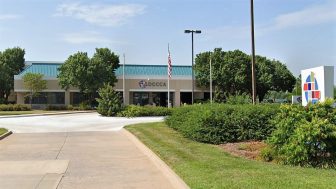
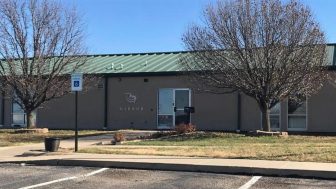
Bel Aire Recovery Center
4969 Tierra Lakes Parkway
Bel Aire, KS 67226
 Sponsored
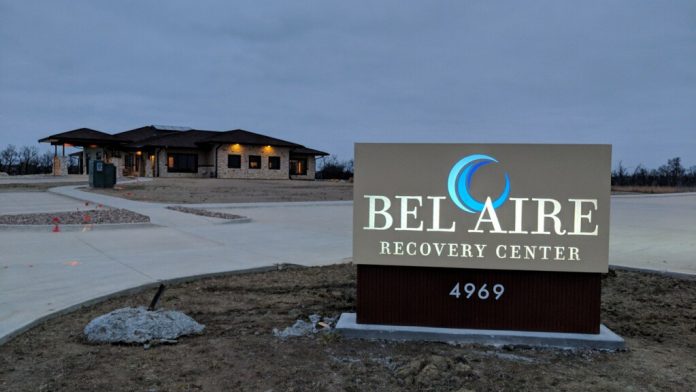
About Bel Aire Recovery Center
Bel Aire Recovery Center in Bel Aire, Kansas is a licensed addiction treatment center offering comprehensive care for adults facing substance use and co-occurring mental health disorders. The 45 bed facility provides a full continuum of care including medically supervised detox, residential treatment, intensive outpatient programs with daytime and evening sessions, and robust aftercare support.
I think it's unique that they use a brain based, holistic treatment model that integrates neuro counseling with evidence based therapies, addressing emotional health, spirituality, nutrition, and physical wellness.
Why People Choose Bel Aire Recovery Center
Key features of Bel Aire Recovery Center include:
- Full continuum of care: Medically supervised detox with MAT and 24 hour medical staff, structured residential treatment, and flexible intensive outpatient (IOP), partial hospitalization (PHP), and ongoing alumni aftercare support
- Diverse populations: Adults ages 18 to 64, including veterans, active military personnel, first responders, and their adult dependents
- Tactical Recovery program: Culturally competent, specialized track designed specifically for military members, veterans, and first responders addressing unique service related trauma
- Brain based therapies: Neuro counseling integrated with CBT, DBT, mindfulness, trauma informed care, Seeking Safety, meditation, and expressive art or music therapy
- Family inclusive services: Dedicated programming to improve relational dynamics and strengthen family support structures throughout recovery
- Structured environment: 45 bed Bel Aire facility with 24 hour medical staff, designated smoking areas, and phone storage policies to support focused healing
- Payment flexibility: Accepts most major insurance plans, TRICARE, VA benefits, self pay, and offers financing assistance for eligible clients
- Strategic Kansas location: Bel Aire Recovery Center serves the Wichita area from its main campus, with additional outpatient clinics in Wichita and Oklahoma City
- Long term recovery support: Customized discharge planning, active alumni programs, relapse prevention strategies, and connections to ongoing therapy and community resources
Admissions Available at All Times
Getting started at Bel Aire Recovery Center begins with scheduling an assessment through their friendly 24 hour admissions team. I think it's helpful that the experienced staff will help determine the most appropriate level of care, review insurance benefits or self-pay options, and answer questions about specialized programming for veterans and first responders.
Reach out today to learn how Bel Aire Recovery Center can support your personal journey toward lasting recovery.
Amenities
Art and music are mediums that connect with our feelings, making them a great recovery tool during addiction treatment. Studies show that combining art/music and drug rehab can have a greater therapeutic impact than drug rehab alone, as you’re able to access parts of your brain and body that you may not have access to during traditional talk therapy. Benefits of art/music therapy include lowering stress and anxiety, promoting healthy neurochemicals, and providing stress relief.
Private drug rehab provides a comfortable, secure environment that allows you to focus on doing the work to get your life back on track. Benefits include a higher staff-to-client ratio, increased one-on-one time with therapists and healthcare providers, private rooms for clients, and customized forms of therapy.
Residential drug rehab provides the comforts of home with the therapeutic support needed to successfully recover. Benefits of an inpatient program include increased safety, a higher success rate, and the time and distance given to focus on recovery. Residential drug rehabs are often the preferred method of treatment, as they can be tailored to meet specific needs, offer focused therapeutic care, and provide the necessary tools to sustain recovery.
Hiking is a great way to relieve stress, get perspective, navigate challenges, connect with nature, and improve your health - all essential components of sustaining long-term recovery. Studies also show that the body releases endorphins during physical activities like hiking. These endorphins improve mood and act as a natural pain reliever.
Treatment centers with a yoga studio offer a special form of holistic therapy during the recovery process. Yoga boosts mindfulness, a sense of calm, and healthy reflection during drug rehab via breathing exercises, stretching, and a progression of specific postures.
Recreational therapy uniquely combines therapeutic interventions with an activity, like horse-riding, hiking, wilderness therapy, basketball, tennis, or a full workout. Benefits of recreational therapy include providing a healthy way to work through the emotions of recovery, learning to build and maintain relationships, improving communication skills, and building self-esteem.
In order to maintain a sense of autonomy, many private rehab facilities offer clients the ability to choose their own private rooms. The privacy and personal space ensure that the recovery process is as comfortable as possible.
Addiction Treatment Programs
Often, men’s rehab in Kansas offers treatment for substance use disorders as well as dual diagnosis treatment. These programs can help men who are facing PTSD, ADHD, depression, anxiety, and bipolar disorder.
No single drug rehab in Kansas is right for everyone. Length, intensity, setting, and treatment methods vary. These can be tailored to meet each person’s needs. With the right program, individuals can successfully end their drug dependency and achieve long-term recovery.
Alcohol rehab in Kansas helps individuals who are struggling with alcohol use disorder learn about recovery, its benefits, and how to achieve it. Treatment focuses on motivation to change, skills to accomplish change, and how to maintain long-term success with sobriety.
The most common types of opioid rehab in Kansas are detox, inpatient, intensive outpatient, and support groups. Each use evidence-based therapies to teach strategies for overcoming addiction and maintaining long-term sobriety.
Women’s rehab in Kansas provides gender-specific treatment and allows participants to connect with other women who understand their challenges. This targeted support can be beneficial for long-term recovery.
Women’s rehab in Kansas provides gender-specific treatment and allows participants to connect with other women who understand their challenges. This targeted support can be beneficial for long-term recovery.
Sound & Music Therapy are complementary treatment modalities frequently used in addiction recovery to support clients’ physical, mental, and emotional wellbeing through the use of auditory stimuli, from nature sounds and Tibetan singing bowls to drum circles and rhythmic melodies. The treatment is believed to reduce symptoms of anxiety and depression and may offer relief for those experiencing chronic pain, which can decrease clients’ risk of addiction relapse.
Fitness therapy is an evidence-based complementary approach to addiction recovery and mental health care. Based on mounting scientific evidence of the benefits of physical activity in improving mood, enhancing clients’ sense of wellbeing, and decreasing depression and anxiety, fitness therapy encompasses a wide spectrum of intensities, from gentle yoga, qigong, and tai chi to weight training, kickboxing, and other highly physical activities.
Treatment plans at a young adult program in Kansas typically encompass counseling for addiction as well as co-occurring mental health disorders. Young adults who are struggling with anxiety, depression, PTSD, or ADHD can get help for these disorders as well as substance use disorders.
People often benefit from cognitive behavioral therapy in Kansas, as it teaches techniques for coping with negative thoughts, challenging emotions, and triggers. These exercises can be practiced on their own, so people in recovery have effective tools to maintain their sobriety.
EMDR Therapy is a neurobiological treatment modality used to address trauma disorders and related mental and behavioral health challenges. Short for eye movement desensitization and reprocessing, EMDR is designed to help clients cope with distressing memories and emotions, including fear, sadness, and anger. EMDR may help clients in addiction recovery manage the psychological and emotional triggers that contribute to substance misuse and/or addiction relapse.
Animal & equine therapy are evidence-based complementary therapies drawing on the emotional, psychological, and physiological benefits of regular contact with animals. Addiction recovery programs may incorporate the care of therapy dogs, cats, horses, and other animals into their treatment model to support clients’ development of recovery-focused life skills, including personal responsibility, time management, and empathy. Contact with therapy animals may reduce stress, enhance mood, decrease depression and anxiety, and increase clients’ self-esteem and sense of wellbeing.
When an individual needs help with an addiction, they can find support at an adult program in Kansas. These treatment programs offer recovery services for men and women ages 18 and older.
Levels of Care
Inpatient rehab in Kansas involves participation in group, individual, and other types of therapy in a medically supervised setting. Treatment may also include medication management and holistic therapies. It requires living at the drug rehab for the duration of treatment.
Kansas outpatient rehab often includes several types of therapy, such as group, individual, and family. You’ll attend several sessions per week, learning new skills and how to live a sober lifestyle. This treatment will continue for weeks, months, or even years, depending on your ongoing recovery needs.
Drug rehab in Kansas typically begins with detox. This process can last up to a week. During that time, you’ll receive 24/7 supervision and medical assistance to cleanse your body of all addictive substances.
Once you’ve completed early phases of treatment, aftercare rehab in Kansas provides continued support. As you begin to face challenges of everyday life, this program gives you the tools you need to meet them. Ongoing counseling, support groups, and financial guidance are common aspects of aftercare, which may continue for a year or more after initial treatment.
A dual diagnosis treatment program in Kansas is best suited to meet the needs of those who have co-occurring disorders. If you suffer from anxiety, mood disorder, depression, or ADHD alongside addiction, dual diagnosis treatment will effectively treat both disorders.
As a bridge between rehab and independent living, sober living in Kansas typically lasts five to eight months. However, you can decide when you’re ready to move to the next step in your recovery journey. While in this setting, you’ll reside with others in recovery at a private home, adhering to house rules and attending 12-step meetings.
Accreditations
Accepted Insurance



Contact Information


 Sponsored