
Beit TShuvah
8831 Venice Boulevard
Los Angeles, CA 90034
 Sponsored
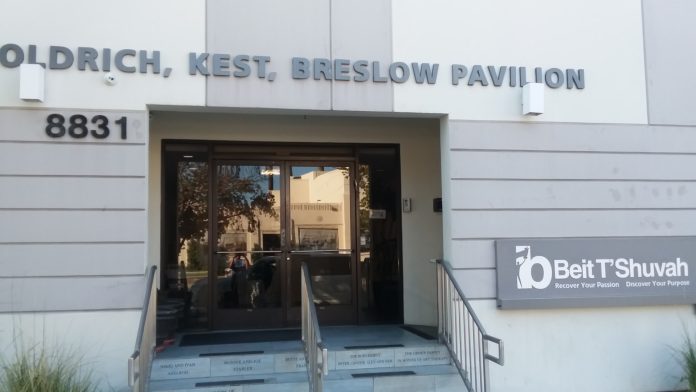
About Beit TShuvah
Beit T’Shuvah provides faith-based, 12 step-focused addiction recovery services for adults in Los Angeles, California, including specialized programming for clients with co-occurring addiction and mental illness. Their services include crisis management, short and long-term residential care, sober living, and aftercare planning and support.
Their residential treatment center allows clients to focus on their recovery in a highly structured and supportive environment featuring premium amenities, including onsite fitness and recreational facilities. The program emphasizes clients’ spiritual healing and growth through daily study, prayer, and spiritual practice rooted in Judaic teachings and traditions. Clients also engage in intensive individual, group, and family counseling. Independent living and recovery-focused life skills training are prioritized, including courses in coping, self-care, emotional regulation, and relapse prevention. Evidence-based complementary therapies include meditation, yoga, and creative arts. They also promote work therapy to support the development of sober living skills and facilitate clients’ successful community reintegration.
Their aftercare services ensure a complete continuum of care aligned with clients’ evolving needs and may include 12 step program facilitation, peer coaching, career counseling, and referrals for medical, mental health, and social service programs. Beit T’Shuvah is licensed by the state of California and accredited by The Joint Commission. Payment options include private insurance, financial aid, and self-pay.
Amenities
Yoga and meditation are great activities to support your recovery process during alcohol or drug rehab. These therapies have been around for centuries, and they are an effective way to improve well-being. Combining addiction treatment, yoga, and meditation can reduce cravings, improve sleep, relieve anxiety and depression, provide stress relief, promote relaxation, support emotional healing, and improve energy levels.
Art and music are mediums that connect with our feelings, making them a great recovery tool during addiction treatment. Studies show that combining art/music and drug rehab can have a greater therapeutic impact than drug rehab alone, as you’re able to access parts of your brain and body that you may not have access to during traditional talk therapy. Benefits of art/music therapy include lowering stress and anxiety, promoting healthy neurochemicals, and providing stress relief.
Treatment centers with a yoga studio offer a special form of holistic therapy during the recovery process. Yoga boosts mindfulness, a sense of calm, and healthy reflection during drug rehab via breathing exercises, stretching, and a progression of specific postures.
Residential drug rehab provides the comforts of home with the therapeutic support needed to successfully recover. Benefits of an inpatient program include increased safety, a higher success rate, and the time and distance given to focus on recovery. Residential drug rehabs are often the preferred method of treatment, as they can be tailored to meet specific needs, offer focused therapeutic care, and provide the necessary tools to sustain recovery.
Addiction Treatment Programs
Typically, a young adult program in California can guide individuals from detox, through initial treatment, and extends to aftercare. Treatment gives young adults what they need to reset their lives and move to the next stage of life free from addiction.
An adult program in California uses various therapeutic methods to treat a person who is dependent on an addictive substance. Individuals aged 18 and older are eligible for treatment, which focuses on breaking the cycle of addiction and learning how to maintain sober living.
Alcohol rehab in California provides professional treatment to guide participants through each step of recovery. Programs offer a support system to walk you through challenges and celebrate victories with you, from detox to long-term sobriety.
Gender-specific addiction treatment programs may be more effective in treating men because they focus on unique needs of males. Men’s rehab in California is designed to help men process emotions and cope with stress in a judgment-free environment.
Women’s rehab in California provides a safe environment where women can work through addiction challenges surrounded by their gender peers. This often creates an environment that is more conducive to recovery.
For those who are struggling with opioid use disorder, help is available at opioid rehab in California. This complex addiction can be treated through a combination of evidence-based therapies and medication assisted treatment.
Levels of Care
When you choose outpatient rehab in California, you will meet with a counselor and attend support group meetings. The focus will be on restructuring attitudes and thoughts to reduce cravings and develop skills to prevent relapse. The length of time in outpatient rehab varies by individual, based on their recovery needs.
When you have a co-occurring disorder, it is essential to treat both your addiction and the mental health disorder. California dual diagnosis treatment provides this type of multidisciplinary approach, for improved recovery outcomes.
Community support and relationship-building are key elements of aftercare rehab in California. You’ll receive recovery coaching, social support, and mentors to help you maintain sobriety after completing initial rehab treatment. This support will continue as long as you need it, which could be weeks or more than a year.
Unlike outpatient drug rehab, clients receiving inpatient rehab in California reside at the facility for the duration of the program. The length of stay may range from two weeks to 18 months or more, depending on the client's needs and the program’s design.
When you enter drug rehab in California, detox is the first step towards becoming drug-free. The detox process includes 24/7 monitoring and medical care and may include the use of medications to ease withdrawal symptoms.
California sober living has been shown to reduce relapse and improve recovery. These programs offer highly-structured living environments for those who desire to remain sober. House rules usually include abstinence from substances, participation in 12-step meetings, and contribution to household responsibilities.
Accreditations
Accepted Insurance

Contact Information


 Sponsored
Nearby Treatment Centers

2370 S Robertson Blvd
Los Angeles, CA 90034

2260 Hillsboro Ave
Los Angeles, CA 90034

2260 Hillsboro Ave
Los Angeles, CA 90034

2370 South Robertson Boulevard
Los Angeles, CA 90034
