Bayview Recovery
Closed: Please See Nearby Facilities
Tacoma, Washington
 Sponsored
About Bayview Recovery
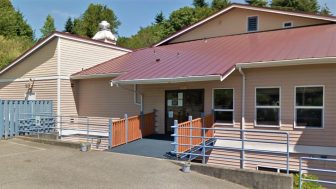
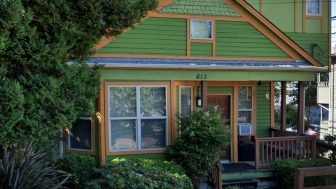
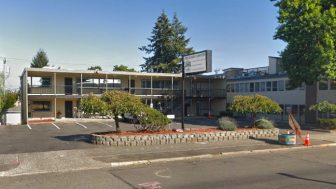
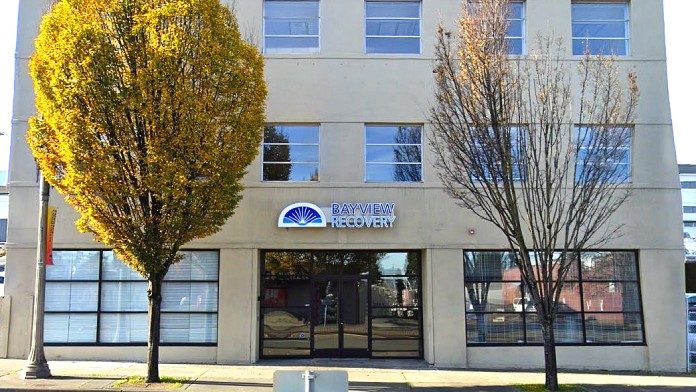
Bayview Recovery in Tacoma, Washington was located on Pacific Avenue. They are now permanently closed. They provided behavioral health services to address co-occurring mental health conditions and substance use disorders.
They were close to many restaurants, cultural attractions and businesses with close access to Highway 509 and I-705. They were also close to Commencement Bay and several natural landmarks including Thea’s Park, WW Seymour Botanical Conservatory and the Tacoma Reconciliation Park.
90 Day Residential Treatment Program
They offered a 90 day residential treatment program to address your conditions within a structured and regimented daily schedule. I think it’s great that they recognized that having a routine could greatly increase your chances for successfully completing their program and being on your way to long-term sobriety. It would also reduce your chances for relapsing.
Therapy Programs for Trauma
Bayview Recovery offered multiple therapy programs to address mental health disorders. Programs included family therapy, group therapy and trauma therapy. They worked with you to address past traumas and to heal family bonds that may have been broken as a result of your co-occurring disorders.
Rehab Centers for Various Addictions
They offered specific substance abuse treatment programs at various rehab centers that treated independent addictions including one for alcohol, heroin and opioid addiction. They would offer you medically supervised detox services to address your withdrawal symptoms and to help you overcome addiction.
Amenities
Private drug rehab provides a comfortable, secure environment that allows you to focus on doing the work to get your life back on track. Benefits include a higher staff-to-client ratio, increased one-on-one time with therapists and healthcare providers, private rooms for clients, and customized forms of therapy.
Residential drug rehab provides the comforts of home with the therapeutic support needed to successfully recover. Benefits of an inpatient program include increased safety, a higher success rate, and the time and distance given to focus on recovery. Residential drug rehabs are often the preferred method of treatment, as they can be tailored to meet specific needs, offer focused therapeutic care, and provide the necessary tools to sustain recovery.
In order to maintain a sense of autonomy, many private rehab facilities offer clients the ability to choose their own private rooms. The privacy and personal space ensure that the recovery process is as comfortable as possible.
Rehabs that offer mountain views provide beautiful spaces for clients to explore, de-stress, and take part in outdoor or wilderness therapy programs. The mountain surroundings can be a great help to the recovery process, as sobriety may be better achieved while surrounded by a serene setting in nature.
Addiction Treatment Programs
For those aged 18 and older, an adult program in Washington can help in overcoming addiction. You can get effective treatment for substance use disorders and related mental health issues at the level of care that works best for you.
During alcohol rehab in Washington, you’ll participate in a variety of individual and group therapy sessions. These treatments are designed to help you address issues related to substance use and develop new coping skills. The goal is to empower you to achieve long-term recovery.
Men’s rehab in Washington focuses on specific challenges faced by men, including relationship dynamics. Gender-specific treatment helps men repair damage to their relationships and get the support they need.
Women’s rehab in Washington effectively treats drug and alcohol addiction by addressing the unique needs of substance-dependent women, which provides an opportunity to break the addiction cycle and embrace long-term recovery.
Opioid rehab in Washington begins with breaking your physical dependence on opioids, through safe, supervised detox. After this phase, you will work on overcoming damage caused by opioid use disorder, through a variety of therapy methods. You’ll then receive aftercare to prevent relapse.
Cognitive behavioral therapy in Washington teaches healthy coping strategies. Treatment includes setting goals, learning communication skills, and cognitive-behavioral strategies to manage triggers.
Effective drug rehab in Washington integrates care for the whole person, offering comprehensive solutions to addiction. Treatment methods address mental, physical, and relational aspects of substance abuse.
An elderly rehab in Washington is customized for the age, health, and psychological concerns of older adults. Treatment provides relevant resources that address issues specific to this population.
LGBTQ individuals can find LGBTQ-friendly rehab in Washington. These programs offer services that are similar to general-population programs but are geared toward common LGBTQ experiences.
Veteran’s rehab in Washington offers treatment to help Veterans cope with trauma, manage triggers, develop coping skills, and prevent relapse. Programs address mental health symptoms as well as addiction, to provide comprehensive recovery treatment.
Addiction often involves irrational thoughts and beliefs. Rational emotive behavioral therapy in Washington helps people identify their irrational thoughts and shift irrational beliefs to decrease destructive behaviors and create attainable goals.
Assertive Community Treatment (ACT) is an integrative, community-based care strategy designed to address the needs of persons with severe and/or complex mental illness or behavioral disorders. ACT is typically provided by a multidisciplinary team of medical and mental health care providers, social workers, therapists, and other specialists, including addiction recovery professionals. These services are frequently provided in the home and community to clients in crisis, those who are clinically unstable, and those who are unable or unwilling to travel to a hospital or clinic for in-person treatment.
Levels of Care
Outpatient rehab in Washington is often a good option if you’re in long-term recovery and need ongoing coaching to avoid relapse. This treatment provides accountability and support while you maintain other life responsibilities.
When substance abuse and mental illness are both present, you need specialized treatment to achieve recovery. Both the substance abuse and mental health disorder must be treated by dual diagnosis treatment in Washington.
You don’t have to face life alone after you complete rehab. Aftercare rehab in Washington provides ongoing support as you begin your new life in recovery. You’ll receive practical, emotional, and mental support to overcome hurdles and maintain sobriety.
Inpatient alcohol and drug rehab in Washington offers the most intensive level of care for those who need 24/7 clincial supervision. You will live at the facility for four to 12 weeks, and receive treatment such as individual and group therapy, medication, and recreational therapies.
When you enter drug rehab in Washington, medical professionals will create a custom detox plan to begin your recovery. This process slowly and safely cleanses your body of addictive substances.
Most Washington sober living homes serve one gender, and residents typically stay for several months. These structured settings provide a stable environment for those who need extra accountability beyond 12-step meetings. Strict house rules and requirements encourage sober living and development of recovery skills.
Intervention services in Washington are often key to starting the recovery journey. These services include pre-intervention counseling for family members, planning and facilitation of of the intervention, educational resources for treatment planning, and assistance with admission to drug rehab in Washington.
Partial hospitalization programs (PHPs) in Washington provide a balance of structured treatment and personal responsibility for your recovery process. You will attend on-site treatment sessions five to seven days a week for several hours each day, then return home afterwards.