Baystate Family Medicine Northampton
325 B King Street
Suite 102
Northampton, MA 01060
 Sponsored
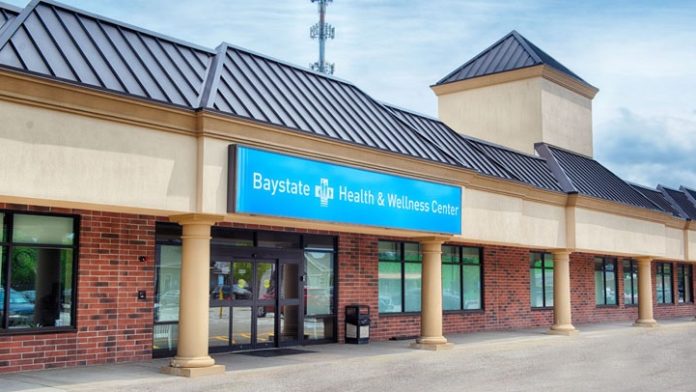
About Baystate Family Medicine Northampton
Baystate Health Family Medicine Northampton in Northampton, Massachusetts, is a medical healthcare facility that provides a range of medical and mental health services to adults and adolescents. You'll find treatment here if you're struggling with a behavioral health concern. You can also get connected to supports that will help you navigate a substance use disorder. Care is offered in an outpatient setting. Telehealth counseling is also available. They accept policies from most major insurance providers. Speak with your provider because out of network benefits may apply.
You'll find comprehensive and compassionate care here. There is a multidisciplinary team of professionals that will help support you if you have a dual diagnosis. This may include working with licensed clinicians, mental health counselors and addiction specialists. They use evidence based approaches to care.
Cognitive behavioral therapies are delivered through individual and group counseling sessions. You’ll work with mental health and addiction specialists who will help you build critical skills for success. Among these skills is learning how to identify triggers and manage stressful emotions.
If your circumstances require it, behavioral medication plans can be provided for you. This can help you manage any mental health struggles you may be facing. There's also addiction education supports that can help minimize your risk of relapse. Care coordination is also available. They’ll connect you with specialists and other services so that you get the appropriate care for your recovery needs.
Amenities
In order to maintain a sense of autonomy, many private rehab facilities offer clients the ability to choose their own private rooms. The privacy and personal space ensure that the recovery process is as comfortable as possible.
Addiction treatment in the metro area benefits clients by offering seamless connections from the city, around the state, and those seeking out-of-state treatment. Another benefit of attending a metro area drug rehab is that you’re close to major airports and ground transportation services.
Business centers are a preferred amenity in many mental health and addiction recovery facilities and typically feature secure, high-speed internet, computer stations, printers, and related business technologies. Business centers are designed to enable professionals and students to continue to participate in work or school activities without leaving the treatment facility.
Treatment centers with a yoga studio offer a special form of holistic therapy during the recovery process. Yoga boosts mindfulness, a sense of calm, and healthy reflection during drug rehab via breathing exercises, stretching, and a progression of specific postures.
Addiction Treatment Programs
Teen and young adult substance abuse can set individuals on a life-long path of destruction. A young adult program in Massachusetts can intervene in young adults’ lives to set them on a better path during this crucial stage of life.
Each adult program in Massachusetts is designed to help individuals over the age of 18 recover from addiction to drugs or alcohol. The length of the program and its intensity varies, based on the needs of the individual.
Most alcohol rehab in Massachusetts consists of individual counseling and group therapy sessions, which address mental and emotional concerns that are contributing to alcohol use. Treatment helps participants make changes to maintain sobriety and prevent relapse.
For men who want to stop drinking or using drugs, men’s rehab in Massachusetts offers help and hope. These treatment programs, designed specifically for men, help participants recover and rebuild their lives.
Women who are seeking treatment for substance use disorders can receive various levels of care at women’s rehab in Massachusetts. Programs include detox, partial hospitalization programs (PHP), intensive outpatient programs (IOP), telehealth programs, sober living, outpatient, and aftercare.
Addiction is a highly complex problem, and drug rehab in Massachusetts is often necessary to address it. These programs treat physical, mental, and relational issues that are involved. Treatment empowers individuals to manage these issues without the use of drugs.
Elderly rehab in Massachusetts addresses both addiction issues and common challenges faced by older adults. By dealing with grief, loss, social isolation, and financial uncertainty, participants are given tools to overcome addiction later in life.
EMDR Therapy is a neurobiological treatment modality used to address trauma disorders and related mental and behavioral health challenges. Short for eye movement desensitization and reprocessing, EMDR is designed to help clients cope with distressing memories and emotions, including fear, sadness, and anger. EMDR may help clients in addiction recovery manage the psychological and emotional triggers that contribute to substance misuse and/or addiction relapse.
Cognitive behavioral therapy in Massachusetts is a hands-on method that engages participants in changing their thought and behavior patterns. Rather than a talk-listen approach, individuals are actively involved in working with their therapist to treat their addiction.
Levels of Care
Massachusetts outpatient rehab does not have a defined timeline. The program is tailored to meet your recovery needs, and may last 90 days or a year or more. During this time, you will attend therapy sessions and support group meetings, for ongoing accountability and development of sober-living skills.
If you meet the diagnostic criteria for two or more conditions, you have a dual diagnosis. Massachusetts dual diagnosis treatment is designed to address both conditions simultaneously, for improved recovery outcomes.
Aftercare rehab in Massachusetts gives you continued access to support after rehab. You may need assistance with job coaching, budgeting, education, or accountability as you re-enter your life. Aftercare programs provide these supports, so you can face challenges and maintain a sober lifestyle long-term.
You don’t have to be an expert on interventions to help an addicted loved one. Staff members offer intervention services in Massachusetts, providing support when planning and facilitating an intervention, connecting you with community resources, and helping with the development of your loved one's treatment plan.
Accreditations
Contact Information


 Sponsored