BayRidge Hospital
60 Granite Street
Lynn, MA 01904
 Sponsored
About BayRidge Hospital
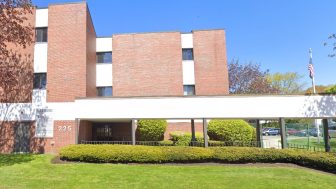
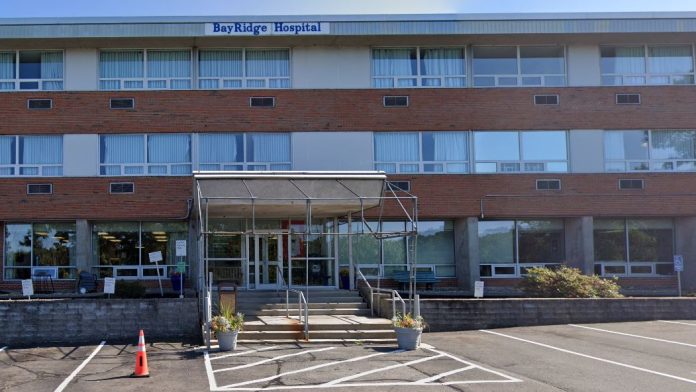
BayRidge Hospital is a nonprofit inpatient psychiatric facility for adult behavioral health and substance use treatment. It's under the Beth Israel Lahey Health system and out in Lynn, Massachusetts. They're open 24/7 and is near greenspaces like Fraser Field and Henry Avenue Playground.
It offers inpatient services, partial hospitalization, intensive (IOP) and outpatient care and aftercare for adults with mental health challenges and co-occurring substance use disorders.
Dual Diagnosis Treatment That Helps You Heal
BayRidge’s core specialty is dual diagnosis care for mental health issues and substance use disorders. I like that a team of psychiatrists, psychologists, social workers, and psychiatric nurse combines medical expertise with therapeutic modalities to address everything.
Treatment includes a blend of individual and group counseling, medication management and education, mindfulness, music therapy, nutritional counseling and peer support. Sessions are structured to explore underlying causes, practice coping strategies and build recovery skills. Many clients report feeling heard and seeing practical change in managing cravings, moods, and daily stresses.
Crisis and ECT Services for Acute Psychiatric Care
For adults in crisis, BayRidge provides emergency psychiatric services and inpatient care 24/7, ensuring immediate support when mental health risks are highest. Electroconvulsive therapy (ECT) is also available for certain psychiatric conditions when other treatments are insufficient.
These intensive services are designed not only to stabilize symptoms, but also to offer follow-up transition into outpatient settings. Incorporating both medical and therapeutic interventions helps address both the urgent crisis and build foundations for long-term stability.
Choosing BayRidge Hospital: Where Care Meets Access
BayRidge serves adults age 18 within the Greater Boston area with easy access via Route 1 and MBTA public transit. I'm glad that the facility is wheelchair accessible and provides on-site parking for convenience.
Staff are licensed psychiatrists, psychologists, social workers, and psychiatric nurses, grounded in evidence-based practices and integrated treatments, operating as part of the respected Beth Israel Lahey Health system. Insurance coverage is accepted with financial assistance options potentially available.
Amenities
Yoga and meditation are great activities to support your recovery process during alcohol or drug rehab. These therapies have been around for centuries, and they are an effective way to improve well-being. Combining addiction treatment, yoga, and meditation can reduce cravings, improve sleep, relieve anxiety and depression, provide stress relief, promote relaxation, support emotional healing, and improve energy levels.
Private drug rehab provides a comfortable, secure environment that allows you to focus on doing the work to get your life back on track. Benefits include a higher staff-to-client ratio, increased one-on-one time with therapists and healthcare providers, private rooms for clients, and customized forms of therapy.
Recreational therapy uniquely combines therapeutic interventions with an activity, like horse-riding, hiking, wilderness therapy, basketball, tennis, or a full workout. Benefits of recreational therapy include providing a healthy way to work through the emotions of recovery, learning to build and maintain relationships, improving communication skills, and building self-esteem.
Residential drug rehab provides the comforts of home with the therapeutic support needed to successfully recover. Benefits of an inpatient program include increased safety, a higher success rate, and the time and distance given to focus on recovery. Residential drug rehabs are often the preferred method of treatment, as they can be tailored to meet specific needs, offer focused therapeutic care, and provide the necessary tools to sustain recovery.
Addiction Treatment Programs
Teen and young adult substance abuse can set individuals on a life-long path of destruction. A young adult program in Massachusetts can intervene in young adults’ lives to set them on a better path during this crucial stage of life.
Each adult program in Massachusetts is designed to help individuals over the age of 18 recover from addiction to drugs or alcohol. The length of the program and its intensity varies, based on the needs of the individual.
Most alcohol rehab in Massachusetts consists of individual counseling and group therapy sessions, which address mental and emotional concerns that are contributing to alcohol use. Treatment helps participants make changes to maintain sobriety and prevent relapse.
For men who want to stop drinking or using drugs, men’s rehab in Massachusetts offers help and hope. These treatment programs, designed specifically for men, help participants recover and rebuild their lives.
Women who are seeking treatment for substance use disorders can receive various levels of care at women’s rehab in Massachusetts. Programs include detox, partial hospitalization programs (PHP), intensive outpatient programs (IOP), telehealth programs, sober living, outpatient, and aftercare.
When you enter opioid rehab in Massachusetts, you’ll receive treatment in a supportive environment that encourages recovery. After successful withdrawal management, you’ll participate in a variety of evidence-based therapies that prepare you for long-term sobriety.
Addiction is a highly complex problem, and drug rehab in Massachusetts is often necessary to address it. These programs treat physical, mental, and relational issues that are involved. Treatment empowers individuals to manage these issues without the use of drugs.
Levels of Care
As the most intensive treatment setting, inpatient drug rehab in Massachusetts treatment involves 24/7 supervised care. At this level of care, you typically participate in individual, group, and family therapy sessions, and you may receive medication and additional recreational therapies.
Partial hospitalization programs (PHPs) in Massachusetts provide many of the same treatment services as an inpatient program, but you don’t have to stay overnight. PHPs often provide a bridge between inpatient and outpatient treatment.
Massachusetts outpatient rehab does not have a defined timeline. The program is tailored to meet your recovery needs, and may last 90 days or a year or more. During this time, you will attend therapy sessions and support group meetings, for ongoing accountability and development of sober-living skills.
If you meet the diagnostic criteria for two or more conditions, you have a dual diagnosis. Massachusetts dual diagnosis treatment is designed to address both conditions simultaneously, for improved recovery outcomes.
Aftercare rehab in Massachusetts gives you continued access to support after rehab. You may need assistance with job coaching, budgeting, education, or accountability as you re-enter your life. Aftercare programs provide these supports, so you can face challenges and maintain a sober lifestyle long-term.
Contact Information


 Sponsored