
Baptist Beaumont Behavioral Health Center
3250 Fannin Street
Beaumont, TX 77701
 Sponsored
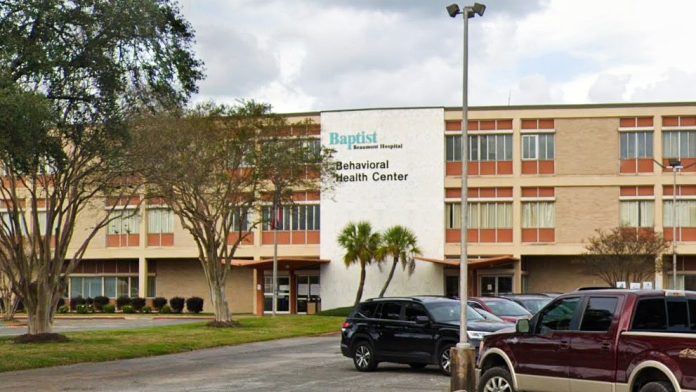
About Baptist Beaumont Behavioral Health Center
Baptist Hospitals Behavioral Health Center in Beaumont, Texas, provides substance abuse and co-occurring mental health treatment for adolescents and adults. Guests have options for inpatient and outpatient services to offer more flexibility, depending on the severity of the individual need.
The center uses an integrated approach for dual diagnosis issues. Guests receive a combination of holistic methods and more traditional services, like 24/7 medical assistance and evidence based therapeutic methods. They provide trauma informed care, educational workshops and group work meetings in a supportive setting that creates a more peaceful environment for recovery. While in treatment, you may attend cognitive behavioral therapy sessions or dialectical behavior therapy. These are effective methods for recognizing trigger patterns and enhancing your emotional state with coping strategies that increase self-control.
Some of the holistic activities include art therapy and mindfulness techniques. These are valuable resources that help you use creative expression to work through feelings that may be hard to discuss in an open setting. Mindfulness, along with medication assisted treatment, can help reduce cravings and make withdrawal more comfortable while receiving the social support needed to become and remain sober.
Addiction Treatment Programs
The Lone Star State offers a host of options for those in search of an adult program in Texas. From inpatient to outpatient care, adults can find a program that meets their needs for effective treatment of substance use issues.
When you enter alcohol rehab in Texas, you’ll find support systems to help you on your recovery journey. Professional counselors, physicians, and other people in recovery provide services and support to help you make changes and learn how to enjoy a sober lifestyle.
Men’s rehab in Texas can create an environment that makes men more comfortable. Many men in Texas seek out this type of treatment for its gender-specific benefits.
Many gender-specific issues must be addressed during addiction recovery. Women’s rehab in Texas provides the appropriate support for women’s challenges such as body image, motherhood, and trauma.
While in a drug rehab in Texas, you’ll deal with underlying issues that contribute to addiction. By addressing these challenges and learning healthy ways to cope with them, you’ll develop strategies that help you live a drug-free lifestyle.
Elderly rehab in Texas provides treatment that is best-suited for the age, physical condition, and emotional condition of each participant. Staff are trained in geriatric issues and customize addiction treatment to address these concerns.
The goals of cognitive behavioral therapy in Texas include evaluating thoughts and changing thinking patterns that are leading to substance use. This treatment helps participants understand their motives and problem-solve to work through challenges without the use of substances.
Levels of Care
A dual diagnosis treatment center in Texas provides programs for people who struggle with both substance abuse and mental illness. Treating both disorders through an integrated approach is essential for recovery.
Inpatient drug rehab in Texas can last from a few weeks to mor than 90 days. During that time, you live at the facility and receive round-the-clock supervised care. Treatment typically includes individual and group therapy.
Partial hospitalization programs (PHPs) in Texas can provide an effective alternative to inpatient care. These drug rehab programs offer many of the same treatments offered in residential care, but you don’t have to stay overnight.
Contact Information


 Sponsored
Nearby Treatment Centers

2750 South 8th Street
Building A
Beaumont, TX 77701

2750 South 8th Street
Building A
Beaumont, TX 77701

2750 South 8th Street
Building A
Beaumont, TX 77701
2688 Calder Ave
Beaumont, TX 77702
