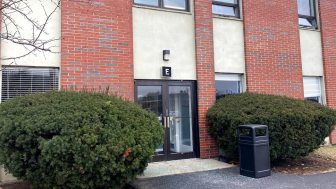
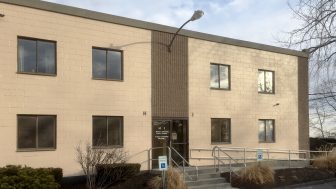
Banyan Massachusetts
66K Concord St
Wilmington, MA 01887
 Sponsored
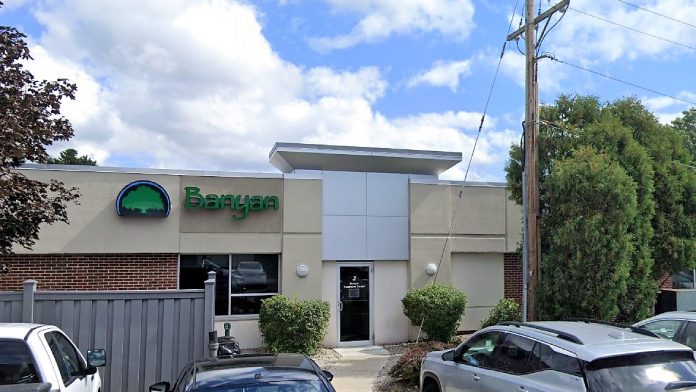
About Banyan Massachusetts
Banyan Treatment Centers has 18 locations throughout the U.S. Their Wilmington, Massachusetts, location serves men and women who need support for their drug or alcohol use disorder. There are also specialized treatment programs for people who suffer from an opioid or chemical dependency.
Treatment is offered an outpatient setting, though there is an intensive outpatient program if you need more robust support. Here, you'll work with the dedicated care team who’ll help you on the journey to recovery. There's also an alumni recovery program that can help you tap into a team of mentors as well. The alumni program is also a beneficial resource to help you stay on top of your sobriety.
The outpatient treatment program is well structured and includes 90 minute group counseling sessions. Through these sessions you can build a network of support. You'll also learn from the experiences of peers and others. This can help you feel empowered or motivated as you move through your own recovery.
If you need more robust support, there's an intensive outpatient program. This program features a therapeutic recovery environment where you can move through your treatment. In this environment, you learn key skills like knowing how to communicate with others and knowing how to make goals and meet them. You'll work with a dedicated care team that will get to know you and your background.
There's also a day treatment program if you need support, but not to the extent of intensive outpatient. This program offers flexible care options to meet your work or school schedule.
Other services you'll find through the Banyan Treatment Center include 12 Step style recovery programs and individual or group counseling. I appreciate that counseling features trauma-informed care. There are also dedicated military and veterans programs that can help servicemen and women get back on their feet.
Amenities
Private drug rehab provides a comfortable, secure environment that allows you to focus on doing the work to get your life back on track. Benefits include a higher staff-to-client ratio, increased one-on-one time with therapists and healthcare providers, private rooms for clients, and customized forms of therapy.
Addiction Treatment Programs
Teen and young adult substance abuse can set individuals on a life-long path of destruction. A young adult program in Massachusetts can intervene in young adults’ lives to set them on a better path during this crucial stage of life.
Each adult program in Massachusetts is designed to help individuals over the age of 18 recover from addiction to drugs or alcohol. The length of the program and its intensity varies, based on the needs of the individual.
Most alcohol rehab in Massachusetts consists of individual counseling and group therapy sessions, which address mental and emotional concerns that are contributing to alcohol use. Treatment helps participants make changes to maintain sobriety and prevent relapse.
For men who want to stop drinking or using drugs, men’s rehab in Massachusetts offers help and hope. These treatment programs, designed specifically for men, help participants recover and rebuild their lives.
Women who are seeking treatment for substance use disorders can receive various levels of care at women’s rehab in Massachusetts. Programs include detox, partial hospitalization programs (PHP), intensive outpatient programs (IOP), telehealth programs, sober living, outpatient, and aftercare.
When you enter opioid rehab in Massachusetts, you’ll receive treatment in a supportive environment that encourages recovery. After successful withdrawal management, you’ll participate in a variety of evidence-based therapies that prepare you for long-term sobriety.
Cognitive behavioral therapy in Massachusetts is a hands-on method that engages participants in changing their thought and behavior patterns. Rather than a talk-listen approach, individuals are actively involved in working with their therapist to treat their addiction.
Addiction is a highly complex problem, and drug rehab in Massachusetts is often necessary to address it. These programs treat physical, mental, and relational issues that are involved. Treatment empowers individuals to manage these issues without the use of drugs.
Elderly rehab in Massachusetts addresses both addiction issues and common challenges faced by older adults. By dealing with grief, loss, social isolation, and financial uncertainty, participants are given tools to overcome addiction later in life.
LGBTQ-friendly rehab in Massachusetts offers programs targeted to the unique experiences within this diverse community. Staff specialists understand that an environment promoting acceptance makes it easier for people to open up and focus on healing.
Veteran’s rehab in Massachusetts offers recovery for Veterans who are struggling with substance use disorder. Treatment programs are trauma-informed, so Veterans who are facing other mental health challenges receive treatment for co-occurring disorders as well.
Addiction therapists apply rational emotive behavioral therapy in Massachusetts to focus on the interconnectedness of behaviors, thoughts, and feelings. The aim of therapy is for these three things to work together to improve your quality of life rather than lead to dysfunction.
EMDR Therapy is a neurobiological treatment modality used to address trauma disorders and related mental and behavioral health challenges. Short for eye movement desensitization and reprocessing, EMDR is designed to help clients cope with distressing memories and emotions, including fear, sadness, and anger. EMDR may help clients in addiction recovery manage the psychological and emotional triggers that contribute to substance misuse and/or addiction relapse.
Fitness therapy is an evidence-based complementary approach to addiction recovery and mental health care. Based on mounting scientific evidence of the benefits of physical activity in improving mood, enhancing clients’ sense of wellbeing, and decreasing depression and anxiety, fitness therapy encompasses a wide spectrum of intensities, from gentle yoga, qigong, and tai chi to weight training, kickboxing, and other highly physical activities.
Animal & equine therapy are evidence-based complementary therapies drawing on the emotional, psychological, and physiological benefits of regular contact with animals. Addiction recovery programs may incorporate the care of therapy dogs, cats, horses, and other animals into their treatment model to support clients’ development of recovery-focused life skills, including personal responsibility, time management, and empathy. Contact with therapy animals may reduce stress, enhance mood, decrease depression and anxiety, and increase clients’ self-esteem and sense of wellbeing.
Sound & Music Therapy are complementary treatment modalities frequently used in addiction recovery to support clients’ physical, mental, and emotional wellbeing through the use of auditory stimuli, from nature sounds and Tibetan singing bowls to drum circles and rhythmic melodies. The treatment is believed to reduce symptoms of anxiety and depression and may offer relief for those experiencing chronic pain, which can decrease clients’ risk of addiction relapse.
Levels of Care
Massachusetts outpatient rehab does not have a defined timeline. The program is tailored to meet your recovery needs, and may last 90 days or a year or more. During this time, you will attend therapy sessions and support group meetings, for ongoing accountability and development of sober-living skills.
If you meet the diagnostic criteria for two or more conditions, you have a dual diagnosis. Massachusetts dual diagnosis treatment is designed to address both conditions simultaneously, for improved recovery outcomes.
Aftercare rehab in Massachusetts gives you continued access to support after rehab. You may need assistance with job coaching, budgeting, education, or accountability as you re-enter your life. Aftercare programs provide these supports, so you can face challenges and maintain a sober lifestyle long-term.
As the most intensive treatment setting, inpatient drug rehab in Massachusetts treatment involves 24/7 supervised care. At this level of care, you typically participate in individual, group, and family therapy sessions, and you may receive medication and additional recreational therapies.
The first step to a drug-free future is detox. This involves slowly and safely ridding your body of all addictive substances, under 24/7 supervision. This is typically the initial phase of drug rehab in Massachusetts.
You don’t have to be an expert on interventions to help an addicted loved one. Staff members offer intervention services in Massachusetts, providing support when planning and facilitating an intervention, connecting you with community resources, and helping with the development of your loved one's treatment plan.
Partial hospitalization programs (PHPs) in Massachusetts provide many of the same treatment services as an inpatient program, but you don’t have to stay overnight. PHPs often provide a bridge between inpatient and outpatient treatment.
Accreditations
Accepted Insurance









Contact Information


 66K Concord St
Wilmington, MA 01887 Sponsored
66K Concord St
Wilmington, MA 01887 Sponsored