Avery House Inc
14705 Avery Road
Rockville, MD 20853
 Sponsored
About Avery House Inc
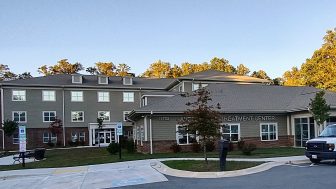
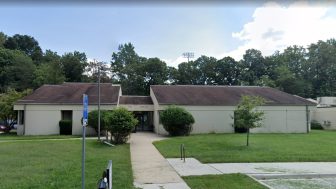
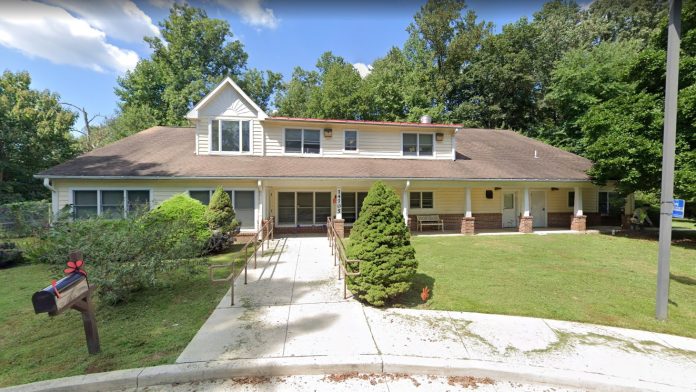
Maryland Treatment Centers Avery House is a drug and alcohol rehab facility located in Rockville, Maryland. They are a residential facility for women who struggle with substance use disorder or alcohol use disorder and have children who are 12 years old or younger.
Most people stay in the facility for three to six months. I found that women may bring up to two children.
The Treatment Program
Their residential treatment program offers medically assisted treatment to women who are experiencing withdrawal symptoms from opioids. They are licensed to administer Methadone to those who need it.
You will be assigned a primary care therapist who will make a treatment plan for you. CLlents have group and individual therapy. Your family members will also be invited in for therapy sessions with you.
A Family Run Service
I love the fact that they are a family run organization. They have both a personal and a professional understanding of family dynamics.
They take a holistic approach to therapy. You will be provided with coping mechanisms for dealing with stressful situations. You will also be taught how to eat healthily and take care of your body, so you will not feel the need for substances.
Addiction Treatment Programs
A typical adult program in Maryland offers a private setting for rehabilitation from alcohol or drugs. Treatment often includes group therapy, individual counseling, and family support and may occur in a residential facility or through outpatient care.
If you desire to discontinue alcohol use, alcohol rehab in Maryland can help. Through detox, counseling, and aftercare, these programs can help you break free from alcohol dependence.
Once a person becomes addicted to a substance, drug rehab in Maryland is often necessary to overcome that addiction. These programs provide the tools individuals need to manage the physical, mental, and emotional issues involved and begin a successful recovery journey.
Veteran’s rehab in Maryland can help with a variety of addiction and related disorders. Treatment is available for alcohol use disorder, drug use disorder, PTSD, depression, and anxiety.
Opioid rehab in Maryland takes place in a safe, supportive environment that minimizes access to opioids and reduces stressors that trigger relapse. Treatment often begins with medical detox, followed by inpatient rehab that may last 30 to 90 days. Aftercare is provided to help maintain long-term sobriety.
Women’s rehab in Maryland provides an environment where women can step back from daily stresses and distractions to focus on their recovery. The caring, safe surroundings help create positive recovery outcomes.
During crucial developmental years, addiction can cause cognitive impairment, increase risky behavior, and impair social development. A young adult program in Maryland can help individuals learn to make healthy choices and avoid these downfalls of addiction.
Levels of Care
The most intensive level of care is known as inpatient rehab. It involves living at the facility until you finish your program, receiving extensive individual and group addiction counseling, recovery-focused life skills training, and complementary therapies.
Outpatient rehab in Maryland is best suited for those who are coping well in recovery but need ongoing treatment. This level of rehab offers accountability and support through regular therapy sessions and support group meetings. It may last for weeks or months, based on your ongoing recovery needs.
Addiction challenges don’t end after rehab. To maintain good health and sobriety, you’ll need to continue to manage your addiction. Aftercare rehab in Maryland helps you by providing continued access to specialists, counselors, and life coaches for as long as you need them.
A Maryland sober living home is appropriate for those who want to abstain from drugs and alcohol but need a high level of accountability. If you don’t have strong support at home or have been resistant to treatment in the past, this structured environment can provide the support you need to maintain sobriety in the first few months of recovery.
Contact Information


 Sponsored