Avatar Residential alcohol and drug detox
2 Morris Rd
Ringwood, NJ 07456
 Sponsored
About Avatar Residential alcohol and drug detox
The Avatar Residential Detox Center is located in Ringwood, New Jersey. The organization is accredited by The Joint Commission and is LegitScript certified. They have inpatient (IP) programs for adults with substance use disorders.
They accept insurance and private pay. Offered are customized flexible self payment options.
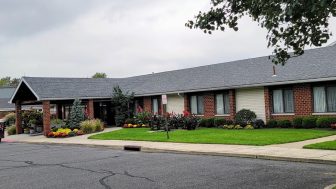
What stood out to me in a positive way is that the center is on 10 acres. You will be surrounded by nature and botanical gardens. You’ll be able to fully submerge yourself into recovery as you will be removed from your daily triggers, stressors and temptations.
Since they are a luxury facility, you will have a private room with an ensuite bathroom. There’s large screen tv’s and high speed internet.
The medical detox program is monitored round the clock. After your first initial assessment you will be in the seven day detox program. Once the seven days nears the end, they’ll conduct another assessment. This follow up assessment will determine your next course of action. You may be recommended to stay for additional days in detox. They may recommend a total of 15 or 21 days, if needed.
They have various programs that are available during your stay. You can partake in yoga, fitness, meditation, and art therapy. Medication assisted treatment (MAT) is also an option to help make sure you control your cravings and don’t relapse.
Once you have completed detox, you are going to be able to continue treatment in their inpatient residential program. Their program offers 30, 60 or 90 days in treatment. If needed, they are able to provide long term residential treatment.
I like that you are going to be surrounded by people who face similar, if not the same struggles as you. You will be able to relate to each other and form bonds with your peers.
Amenities
Private drug rehab provides a comfortable, secure environment that allows you to focus on doing the work to get your life back on track. Benefits include a higher staff-to-client ratio, increased one-on-one time with therapists and healthcare providers, private rooms for clients, and customized forms of therapy.
Residential drug rehab provides the comforts of home with the therapeutic support needed to successfully recover. Benefits of an inpatient program include increased safety, a higher success rate, and the time and distance given to focus on recovery. Residential drug rehabs are often the preferred method of treatment, as they can be tailored to meet specific needs, offer focused therapeutic care, and provide the necessary tools to sustain recovery.
Yoga and meditation are great activities to support your recovery process during alcohol or drug rehab. These therapies have been around for centuries, and they are an effective way to improve well-being. Combining addiction treatment, yoga, and meditation can reduce cravings, improve sleep, relieve anxiety and depression, provide stress relief, promote relaxation, support emotional healing, and improve energy levels.
Art and music are mediums that connect with our feelings, making them a great recovery tool during addiction treatment. Studies show that combining art/music and drug rehab can have a greater therapeutic impact than drug rehab alone, as you’re able to access parts of your brain and body that you may not have access to during traditional talk therapy. Benefits of art/music therapy include lowering stress and anxiety, promoting healthy neurochemicals, and providing stress relief.
Treatment centers with a yoga studio offer a special form of holistic therapy during the recovery process. Yoga boosts mindfulness, a sense of calm, and healthy reflection during drug rehab via breathing exercises, stretching, and a progression of specific postures.
Music can be extremely therapeutic, serving as a valuable healing tool and an integrative feature of a holistic treatment plan. A music room offers a large number of outlets, including singing, playing musical instruments, and listening to music.
In order to maintain a sense of autonomy, many private rehab facilities offer clients the ability to choose their own private rooms. The privacy and personal space ensure that the recovery process is as comfortable as possible.
When paired with cognitive-behavioral therapy, exercise can be an effective tool for overcoming addiction. Drug rehabs with a gym offer clients healthy ways to increase energy levels, balance the body’s stress hormone levels, and aid in the brain’s healing process.
Luxury rehab is a form of treatment offered in a residential, resort-style setting. You’ll receive personalized treatment from staff and clinicians, have access to forms of treatment that go beyond what a typical inpatient rehab offers, and offer specific amenities like ocean views, large single occupancy bedrooms with private baths, and complementary spa treatments like massage, acupuncture, or reiki. Most luxury rehab centers have a limited number of beds.
Addiction Treatment Programs
An adult program in New Jersey can take place in different settings. Individuals seeking treatment for addiction can choose from inpatient, outpatient, and sober living homes, which provide treatment at different levels of intensity.
To help you achieve long-term recovery, alcohol rehab in New Jersey addresses addiction issues from medical and psychological viewpoints. By treating the whole person, these programs give you the tools you need to achieve and maintain sobriety.
Gender-specific rehab programs offer a solution to the ways that addiction can affect men and women differently. Men’s rehab in New Jersey focuses on treatments that are most beneficial for men.
Women’s rehab in New Jersey is ideal for women who are uncomfortable in a co-ed treatment environment. Women’s rehab provides a safe and caring setting where they can focus on their treatment and connect with other women who understand.
Drug rehab in New Jersey is the process of addressing the complex issues involved with addiction. Challenges are identified and addressed through individual and group counseling. Participants learn how to manage these issues without the use of substances.
Sound & Music Therapy are complementary treatment modalities frequently used in addiction recovery to support clients’ physical, mental, and emotional wellbeing through the use of auditory stimuli, from nature sounds and Tibetan singing bowls to drum circles and rhythmic melodies. The treatment is believed to reduce symptoms of anxiety and depression and may offer relief for those experiencing chronic pain, which can decrease clients’ risk of addiction relapse.
At opioid rehab in New Jersey, patients receive individualized treatment that is adjusted to meet their needs as they progress toward recovery. Addiction specialists partner with each individual to tailor their treatment to address specific challenges that contribute to their addiction.
During cognitive behavioral therapy in New Jersey, participants develop and learn to implement healthy coping skills. The focus of this psychotherapy method is to change negative thought patterns to positively affect behaviors.
EMDR Therapy is a neurobiological treatment modality used to address trauma disorders and related mental and behavioral health challenges. Short for eye movement desensitization and reprocessing, EMDR is designed to help clients cope with distressing memories and emotions, including fear, sadness, and anger. EMDR may help clients in addiction recovery manage the psychological and emotional triggers that contribute to substance misuse and/or addiction relapse.
Fitness therapy is an evidence-based complementary approach to addiction recovery and mental health care. Based on mounting scientific evidence of the benefits of physical activity in improving mood, enhancing clients’ sense of wellbeing, and decreasing depression and anxiety, fitness therapy encompasses a wide spectrum of intensities, from gentle yoga, qigong, and tai chi to weight training, kickboxing, and other highly physical activities.
Levels of Care
New Jersey outpatient therapy offers a next-step after inpatient treatment. This flexible program is tailored to meet each person’s recovery needs as they step back into life. It includes regular sessions with a counselor and support group, for accountability and continued relapse prevention.
Inpatient drug rehab in New Jersey offers the most intensive treatment setting, with 24/7 medical care available. While living at the rehab facility, you’ll participate in various treatments, typically including extensive psychotherapies that draw on modalities like cognitive behavioral therapy (CBT) and motivational interviewing.
When you check into New Jersey Drug Rehab, your first step toward recovery will be detox. This supervised period, which may last up to a week, purges all toxic substances from your body.
If you have been through rehab and don’t have a strong support system at home, sober living in New Jersey may be a good option for you. Many find that this transitional housing setting provides the extra support they need during the first few vulnerable months of recovery.
Intervention services are valuable tools that encourage a person to accept professional treatment from a drug rehab in New Jersey. These services provide support to family members as they plan and stage interventions, choose an effective treatment plans, and navigate the admission process.
If you have a co-occurring mental health disorder and substance abuse disorder, both must be treated in order for you to recover. Dual diagnosis treatment in New Jersey specializes in this approach. Specialists in both fields will provide the tools and resources you need for recovery.
Accreditations
Contact Information


 2 Morris Rd
Ringwood, NJ 07456 Sponsored
2 Morris Rd
Ringwood, NJ 07456 Sponsored