Arrowhead House East
16 South 18th Avenue East
Duluth, MN 55812
 Sponsored
About Arrowhead House East
You’ll find an intensive residential treatment service (IRTS) called Arrowhead House East in Duluth, Minnesota. The program offers intensive mental health and dual diagnosis treatment for up to 16 adults in a co-ed setting. Residents generally stay for up to 90 days. This can be extended with prior authorization if medically necessary. Residents also benefit from 24 hour care and supervision by trained specialists who’ll provide support as necessary. One of the things I find appealing is their location.
Recovery in East Hillside Neighborhood of Duluth
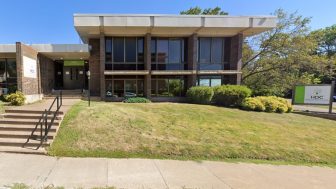
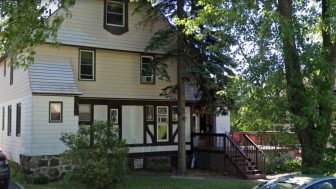
The facility is situated in a residential neighborhood on the scenic east hillside of Duluth in Saint Louis County. It is just a few blocks away from the Lake Superior shoreline. It is just a few blocks away from the Lake Superior shoreline. This makes it a convenient location for relaxation and outdoor activities, especially during summer.
Leif Erikson Park & Rose Garden and Duluth Lift Bridge & Canal Park are also great places for outside fun during summertime. The former is less than a mile from the facility while the latter is about 2.5 miles. The facility has spacious grounds where you can enjoy volleyball, work in the garden or hang out around the fire pit. Still, these natural attractions offer a great outdoor recreational space if you’re looking to unwind outside the facility.
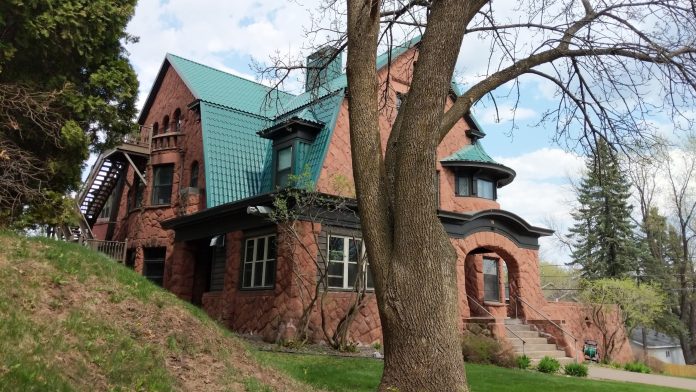
A Historic Facility with Modern Care
The facility offers a safe and conducive space where you can work towards personal independence. Plenty of spaces where you can enjoy some private time during the day are available. To promote safety and responsibility you’re provided your own key to your bedroom. This commitment to safety is another reason I like this facility.
There’s a workout room in the basement and you’re allowed to do laundry onsite as well. Most of the bedrooms have big closets for clothing and personal items. Each bedroom holds two residents.
Residents enjoy meals with the staff on duty during meal times. This creates a comfy and casual atmosphere that stimulates general conversation. Such a relaxed setting enables you to share thoughts and feelings and narrate your day's events.
Their treatment technique focuses on evidence based practices. The main concepts of illness management & recovery and integrated dual diagnosis treatment are tackled via two group sessions weekly alongside individual sessions when needed. A detailed intake assessment enables them to tailor care to your unique needs via personalized care planning. Family education is provided upon request.
These practices are enhanced by various daily structured activities including socialization, recreation & leisure activities and independent living skills training. The latter includes medication self-administration, healthy living and household management. Cooking/nutrition, budgeting & shopping and using transportation are all parts of life skills development.
The program also offers crisis assistance and comprehensive crisis prevention plans. You’ll receive nursing care as needed as well. You’ll start working with your Mental Health Practitioner in the first week to plan for discharge and explore post-discharge housing options.
Amenities
Private drug rehab provides a comfortable, secure environment that allows you to focus on doing the work to get your life back on track. Benefits include a higher staff-to-client ratio, increased one-on-one time with therapists and healthcare providers, private rooms for clients, and customized forms of therapy.
Residential drug rehab provides the comforts of home with the therapeutic support needed to successfully recover. Benefits of an inpatient program include increased safety, a higher success rate, and the time and distance given to focus on recovery. Residential drug rehabs are often the preferred method of treatment, as they can be tailored to meet specific needs, offer focused therapeutic care, and provide the necessary tools to sustain recovery.
Recreational therapy uniquely combines therapeutic interventions with an activity, like horse-riding, hiking, wilderness therapy, basketball, tennis, or a full workout. Benefits of recreational therapy include providing a healthy way to work through the emotions of recovery, learning to build and maintain relationships, improving communication skills, and building self-esteem.
Transportation services are designed to ensure your addiction treatment begins and ends successfully by offering free transportation to the rehab facility, to and from your appointments during rehab, and back home upon program completion.
In order to maintain a sense of autonomy, many private rehab facilities offer clients the ability to choose their own private rooms. The privacy and personal space ensure that the recovery process is as comfortable as possible.
Addiction treatment programs provide an opportunity to get your life back on track with access to school classes or college courses. Whether you want to finish your GED or go back to school to learn a new trade, facilities often enlist tutors and teachers who are certified or licensed by the state to oversee self-study or distance-learning education.
Acupuncture is one of the most popular luxurious and alternative therapies offered by rehabs. An acupuncture room provides benefits like pain reduction, improved sleep, a healthy immune system, and a decrease in anxiety.
Luxury rehab is a form of treatment offered in a residential, resort-style setting. You’ll receive personalized treatment from staff and clinicians, have access to forms of treatment that go beyond what a typical inpatient rehab offers, and offer specific amenities like ocean views, large single occupancy bedrooms with private baths, and complementary spa treatments like massage, acupuncture, or reiki. Most luxury rehab centers have a limited number of beds.
The massage room offers a wealth of benefits as part of an overall evidence-based drug and alcohol recovery program. Massage therapy boosts blood flow and flushes lactic acid from the muscles, and the vascular benefits last several days after the massage.
Wilderness rehab programs offer all the benefits of a traditional drug rehab, but with the added benefits of outdoor adventure. Venture out into the forest to learn new skills, explore the beauty of nature, and relieve stress. Engaging in wilderness activities is a great way to gain self-discovery and release negative emotions.
When used as part of an evidence-based treatment plan, basketball can boost physical and mental health, lead to sharper thinking, and facilitate improved self-esteem. Drug rehabs with a basketball court also place a focus on teamwork and cooperation.
Addiction Treatment Programs
Recovery is not the same for young adults as it is for older individuals. A young adult program in Minnesota treats the patient as a whole, addressing unique life-stage challenges, dual diagnosis issues, and substance abuse.
When an individual struggles with drug and alcohol use, an adult program in Minnesota can provide treatment and mental health support. Designed for men and women over the age of 18, these programs help individuals obtain and maintain sobriety.
Individuals who attend men’s rehab in Minnesota can expect to spend much of their days in therapy sessions. Therapy is focused on men only, and teaches men how to control urges and cravings and live a healthy, sober lifestyle.
During women’s rehab in Minnesota, women participate in evidence-based therapies to treat their substance use disorders. Therapy methods include individual, group, family, cognitive-behavioral, and dialectical behavior therapy.
Cognitive behavioral therapy in Minnesota is based on rapid, action-focused treatment. This works well for 60 to 90-day rehab programs by providing participants with immediate and effective coping techniques.
Designed to cater to the older adult's individual needs, elderly rehab in Minnesota increases recovery success. Seniors may participate in individual therapy, group therapy, or holistic therapies, focusing on the specific challenges they are facing related to their stage of life and type of addiction.
During women’s rehab in Minnesota, women participate in evidence-based therapies to treat their substance use disorders. Therapy methods include individual, group, family, cognitive-behavioral, and dialectical behavior therapy.
Rational emotive behavioral therapy in Minnesota assumes that negative experiences tend to lead to irrational thoughts. These thoughts then lead to dysfunction that contributes to substance abuse. This treatment method attempts to correct irrational thoughts to encourage recovery from addiction.
Fitness therapy is an evidence-based complementary approach to addiction recovery and mental health care. Based on mounting scientific evidence of the benefits of physical activity in improving mood, enhancing clients’ sense of wellbeing, and decreasing depression and anxiety, fitness therapy encompasses a wide spectrum of intensities, from gentle yoga, qigong, and tai chi to weight training, kickboxing, and other highly physical activities.
Assertive Community Treatment (ACT) is an integrative, community-based care strategy designed to address the needs of persons with severe and/or complex mental illness or behavioral disorders. ACT is typically provided by a multidisciplinary team of medical and mental health care providers, social workers, therapists, and other specialists, including addiction recovery professionals. These services are frequently provided in the home and community to clients in crisis, those who are clinically unstable, and those who are unable or unwilling to travel to a hospital or clinic for in-person treatment.
Levels of Care
Left untreated, mental disorders complicate substance abuse disorders and make addiction treatment ineffective. Dual diagnosis treatment in Minnesota addresses both, making it ideal for those who have co-occurring disorders.
If you choose inpatient drug rehab in Minnesota, often referred to as residential rehab, you’ll receive 24/7 care while living at the rehab facility. Typical treatment services include individual and group therapy, medication management, and relapse prevention education.
Sober living in Minnesota gives you the opportunity to apply the tools you acquired in rehab, in an independent but structured environment. You’ll reside with others in recovery, adhering to house rules such as curfew and a no-drug policy. As you work or go to school and contribute to household responsibilities, you’ll learn to live a drug-free life.
Accreditations
Contact Information


 Sponsored