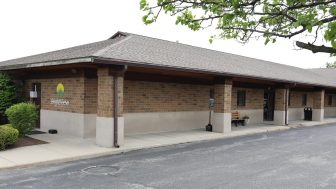
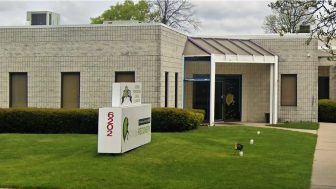
Arrowhead Behavioral Health
1725 Timberline Rd
Maumee, OH 43537
 Sponsored
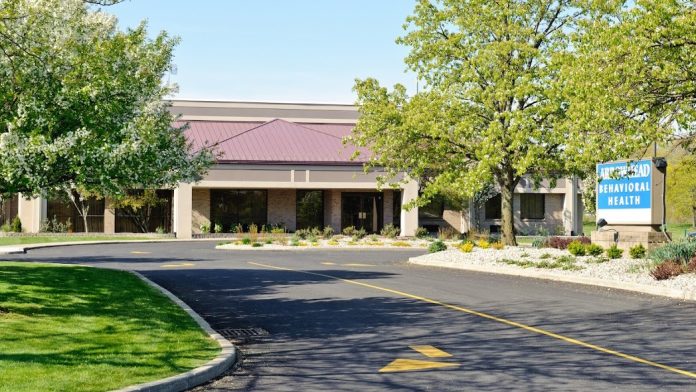
About Arrowhead Behavioral Health
Arrowhead Behavioral Health is an acute treatment center in a secluded corner of Maumee, Ohio. It’s by Swan Creek. They provide inpatient and outpatient programs for substance use disorders and mental health issues. The organization is accredited by The Joint Commission and is LegitScript Certified.
They do accept insurance such as Medicaid, Medicare and TRICARE.
Their licensed professionals will meet with you and consult with a psychiatrist to determine the best level of care for you. Your length of stay will be determined by your specific needs and meeting goals. If you attend inpatient care, they do have a free laundry facility. You can also get fit and find healthier recreational activities to deal with stress. Three meals will be provided per day, which includes snacks. You can also sign up for AA meetings and go to non-denominational services on the weekends.
Their inpatient chemical dependency program provides medical supervised detox. This program is for adults who are struggling with a drug or alcohol dependency. You will have round the clock care and a daily structured schedule. On your schedule, you will have multiple daily group sessions to attend.
I do like that they will conduct a physical so that any underlying issues can be addressed. They focus on holistic approaches such as fitness, self esteem, creating a healthy lifestyle, disease prevention, as well as recreation and leisure activities. I do like you will also learn the effect mental health and substance abuse has on the body.
If needed, medication assisted treatment (MAT) is available. They offer a Suboxone program, which is FDA approved, for adults who are struggling with heroin or other opiates. I do like that you will be medically supervised. They use Suboxone because the medication has a less potential for abuse.
Once you finish inpatient care, you will have the opportunity to continue your care with their chemical dependency partial hospitalization program (PHP). With PHP, you attend treatment five days per week for six hour sessions on weekdays. The primary focus of the program is to provide you with alcohol and drug treatment. You will learn life skills and coping skills, as well as attend psychoeducational groups and peer support groups.
Amenities
Private drug rehab provides a comfortable, secure environment that allows you to focus on doing the work to get your life back on track. Benefits include a higher staff-to-client ratio, increased one-on-one time with therapists and healthcare providers, private rooms for clients, and customized forms of therapy.
Treatment centers with a yoga studio offer a special form of holistic therapy during the recovery process. Yoga boosts mindfulness, a sense of calm, and healthy reflection during drug rehab via breathing exercises, stretching, and a progression of specific postures.
When used as part of an evidence-based treatment plan, basketball can boost physical and mental health, lead to sharper thinking, and facilitate improved self-esteem. Drug rehabs with a basketball court also place a focus on teamwork and cooperation.
Addiction Treatment Programs
A young adult program in Ohio ensures participants receive the most appropriate treatment. Therapies and activities are customized to meet the needs of young people in their teens and twenties.
Tailored for men and women over the age of 18, each adult program in Ohio incorporates multiple therapeutic methods to treat addiction. Various levels of care are offered, based on the needs of the individual.
Alcohol rehab in Ohio provides a support community that can help you overcome addiction. Through a network of support and professional interventions, you can address issues contributing to alcohol abuse and start on the path to recovery.
All levels of care are available at men’s rehab in Ohio. Men who are struggling with addiction can choose detox, inpatient, or outpatient programs, all designed for men.
Often, women suffer from both substance use disorder and a co-occurring mental health disorder. Women’s rehab in Ohio can treat both, which is called dual diagnosis treatment.
Ohio residents who are struggling with opioid use disorder can find support at opioid rehab in Ohio. These specialized treatment centers address the unique challenges of opioid dependence through medication assisted treatment, supervised detox, and evidence-based therapies.
Distorted, negative thought patterns can lead to negative behaviors such as substance abuse. Cognitive behavioral therapy in Ohio addresses these negative thoughts to help individuals make positive changes.
Drug rehab in Ohio provides comprehensive treatment to address the physical and psychological needs of those struggling with substance use disorders. This may involve inpatient and/or outpatient care.
Levels of Care
For those who need intensive treatment, inpatient rehab in Ohio includes round-the-clock clinical care.and supervision. At this level of care, programs generally involve multiple addiction counseling sessions per week, which may include individual, group, and family counseling.
During outpatient rehab in Ohio, you’ll develop sober-living skills and learn how to live a sober lifestyle. This happens through regular meetings with a recovery expert and involvement in a 12-step program. Your outpatient treatment can continue for as long as you need it, from weeks to years.
When you enter drug rehab in Ohio, detox is your first step toward recovery. Detox involves slowly and safely purging your systems of all addictive substances. This happens under 24/7 supervision and may include medication for withdrawal.
If you’re struggling with both mental illness and addiction at the same time, dual diagnosis treatment in Ohio is ideal. This treatment provides an integrated approach to treat both disorders effectively.
Partial hospitalization programs (PHPs) in Ohio allow you to live in your own home while receiving multiple hours of onsite treatment several days per week. You can expect to participate in many of the same recovery groups, wellness activities, and social support meetings you would encounter in an inpatient setting.
Accreditations
Contact Information


 Sponsored