
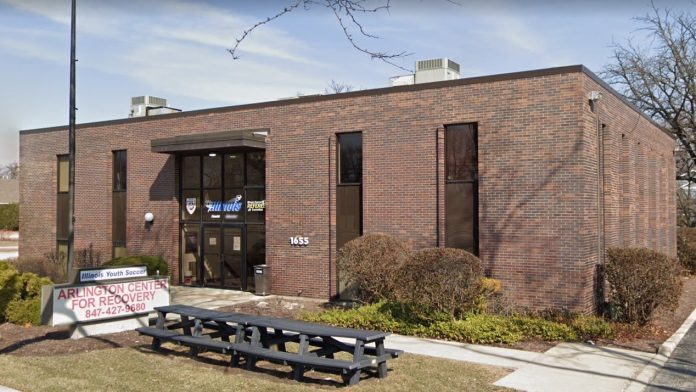
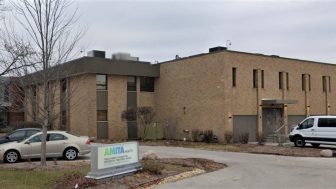
Arlington Center for Recovery
1655 S Arlington Heights Rd
Arlington Heights, IL 60005
 Sponsored
About Arlington Center for Recovery
Located in Arlington Heights, Illinois, the Arlington Center for Recovery serves men and women who are in need of services for their drug, alcohol, or substance use disorder. Care is offered in an outpatient setting though there is an intensive outpatient program if you need more robust support.
Through outpatient care, you'll have access to individual and group counseling, addiction education, and other support. As you move through the program, you'll explore educational skills, self-acceptance, and life skills development.
The intensive outpatient program lasts 8 weeks and requires you to meet at least three times a week and engage in individual, group, or family counseling sessions. Throughout the program, you’ll navigate individualized treatment that's designed to meet your unique needs. For some folks, this may mean turning to support groups like Alcoholics Anonymous or Narcotics Anonymous. For others, it may include intentional counseling that gets to the root of the substance use dependency.
The Arlington Center for Recovery also supports individuals in need of court mandated services like DUI programs. You'll also have access to anger management courses, drug testing, and other services.
Addiction Treatment Programs
Some of the most common services offered in a young adult program in Illinois include individual and group counseling, medication management, educational courses, and 12-step programs. These programs are tailored to address the challenges of this stage of life.
Individuals who are struggling with addiction to drugs or alcohol can get support at an adult program in Illinois. Designed for men and women over the age of 18, these programs offer rehabilitation treatment and recovery services.
Each alcohol rehab in Illinois is unique, but most include three basic aspects of treatment: medical detox, psychotherapy, and medication. Through these methods, participants receive treatment for the physical, mental, and emotional aspects of alcohol use disorder.
Men’s rehab in Illinois typically includes individual, group, and family therapies. Group sessions are conducted with men only, which encourages greater vulnerability and sharing opportunities among participants.
Women who have substance use disorders are more likely than men to have co-occurring mental health disorders. Women’s rehab in Illinois often provides treatment for dual diagnosis, so women can get help for their addiction and disorders such as anxiety or depression.
Learn the skills you need to break free from opioid dependence at opioid rehab in Illinois. Program options include detox, inpatient rehab, outpatient rehab, counseling, and medication assisted treatment programs, which are tailored to meet the needs of the individual.
In Illinois, cognitive behavioral therapy is an effective method for addiction treatment. It teaches effective communication skills, provides tools to help people improve mood, and empowers participants to dismiss insecurities that can lead to substance abuse.
Drug rehab in Illinois is designed to help men and women recover from drug addiction. The length of the program and its intensity vary, based on the individual’s needs. It’s important to find the right program to suit your unique situation and challenges.
Many substance abuse treatment plans include rational emotive behavioral therapy in Illinois. This treatment replaces negative decisions with healthy ones, helps prevent relapse, provides conflict-resolution skills, and improves interpersonal relationships.
Assertive Community Treatment (ACT) is an integrative, community-based care strategy designed to address the needs of persons with severe and/or complex mental illness or behavioral disorders. ACT is typically provided by a multidisciplinary team of medical and mental health care providers, social workers, therapists, and other specialists, including addiction recovery professionals. These services are frequently provided in the home and community to clients in crisis, those who are clinically unstable, and those who are unable or unwilling to travel to a hospital or clinic for in-person treatment.
Levels of Care
Outpatient rehab in Illinois may be brief or long-term, depending on the individual. During this time, you will maintain membership in a support group as well as attend one-on-one counseling sessions. The focus is ongoing development of life skills that will prevent relapse.
An Illinois dual diagnosis program treats both your mental health and recovery needs. Psychiatrists and addiction specialists work together to address co-occurring disorders, such as depression, anxiety, or ADHD.
Aftercare rehab in Illinois lowers the chance of relapse. This program offers support to help you face challenges after you successfully complete rehab. By providing guidance, accountability, and assistance with basic life skills, aftercare gives you confidence to navigate temptations and maintain sobriety.
In many cases, drug rehab in Illinois begins with intervention. Professional intervention services are available to help you facilitate an intervention, develop a treatment plan, and choose the program that best suits your loved one’s needs.
Accreditations
Accepted Insurance

Contact Information


 Sponsored
Nearby Treatment Centers
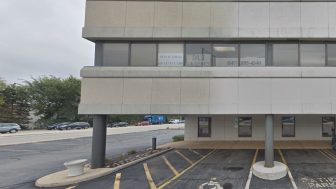
1375 East Schaumburg Road
Suite 120
Schaumburg, IL 60193
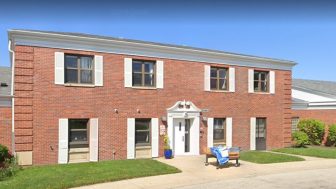
701 Lee St.
Suite 100
Des Plaines, IL 60016

801 Gloucester Drive
Elk Grove Village, IL 60007
800 Biesterfield Road
Elk Grove Village, IL 60007
