
Aquila Recovery Clinic
5101 Wisconsin Ave
Suite 325
Washington, Washington DC 20016
 Sponsored
About Aquila Recovery Clinic
Aquila Recovery Clinic, located in Washington, Washington DC, provides outpatient and intensive outpatient treatments to support adults experiencing substance use disorders and co-occurring mental health conditions. They also offer a recovery housing program to help support you as you seek treatment.
I like their Family Recovery Program that’s geared toward offering referrals and case management services to assist families facing difficulties related to addiction. This program aims to create multiple solutions to restore relationships and aid in long-term success for both you and your loved ones.
What stands out most to me about the clinic is their stellar reputation. Clients who’ve used their services attest to the non-judgmental approach of their staff. Their care teams are known for being kind and compassionate.
Medication Assisted Treatment in Washington, DC
Aquila Recovery Clinic offers medication assisted treatment (MAT) services to help with your recovery. It involves the utilization of safe medications to help you deal with cravings and withdrawals.
You will also participate in therapy sessions as a component of your MAT. Clients will learn the cause of their addiction and develop relapse prevention tools.
Family Recovery Programs
Addiction has a way of rippling into your family and your relationships with your family members. You and your support system can work with a professional who will join forces with you so that you don’t have to fight this battle alone. The counselor will provide guidance on how to best support loved ones in treatment and how to set proper boundaries.
Supportive Recovery Housing
Recovery Housing can enhance your outpatient treatment by providing you with a structured yet safe place to live. You can expect to have access to full-time staff who will assist you should anything come up. I like that you’ll also receive transportation assistance to get you to and from your appointments and delicious snacks throughout the day to keep you nourished.
Amenities
Private drug rehab provides a comfortable, secure environment that allows you to focus on doing the work to get your life back on track. Benefits include a higher staff-to-client ratio, increased one-on-one time with therapists and healthcare providers, private rooms for clients, and customized forms of therapy.
In order to maintain a sense of autonomy, many private rehab facilities offer clients the ability to choose their own private rooms. The privacy and personal space ensure that the recovery process is as comfortable as possible.
Addiction Treatment Programs
Young adults face a lot of uncertainty and pressure as they transition to fully independent living. Young adult rehabs in Washington, DC, can help them address these concerns in healthy ways, develop practical coping skills, and learn essential life skills so they can overcome addiction and live a substance-free lifestyle.
Adults who have substance use disorders have often been through a lot — trauma, getting and losing jobs, having and losing housing, and more. In Washington, DC, an adult rehab can help you focus on these experiences and learn to process and manage them without turning to substance use.
Effective alcohol rehab in Washington, DC, helps you address the reasons you turn to alcohol and develop new, healthier coping mechanisms. The treatment center can also connect you to ongoing support services to help you maintain long-term sobriety.
A men’s rehab in Washington, DC, addresses mental and emotional concerns that are common to men, which might include sharing emotions, vulnerability, anger management, and trauma. Addressing these unique issues in a community with other men can help participants heal and develop healthy coping mechanisms so they don’t need to turn to substance use.
Women experience life differently than men, so having a specific women’s rehab can be helpful. A women’s rehab in Washington, DC, can address pregnancy concerns, mothering skills, and the unique experiences women have that might lead to substance use, leading to a more effective treatment experience.
Cognitive Behavioral Therapy in Washington, DC, allows people to address unhelpful ways of thinking and behaving by challenging their thinking patterns. This allows participants to overcome thinking distortions and develop better coping skills so they can move away from substance use.
In Washington, DC, drug rehab treatment addresses the physical, emotional, and mental elements of addiction. You’ll learn why you turn to substance use, how you can address those issues in healthier ways, how to handle cravings, how to create a support network and have fun without substances, and much more.
Rational Behavior Therapy (RBT) is a proven psychotherapeutic modality frequently used in addiction recovery programs across Washington DC. RBT enables clients to identify unhealthy thought patterns that may contribute to or exacerbate addictive behaviors. Clients learn to challenge and replace false or harmful beliefs with more affirming and productive cognitive schemas, allowing them to effectively regulate their emotions, address past traumas, manage addiction triggers, and make better behavioral choices.
Levels of Care
Outpatient rehabs in Washington DC enable clients to receive addiction recovery services while continuing to live at home. They are ideal for clients who are medically stable, including those stepping down from inpatient care and/or those with mild to moderate addiction disorder not requiring hospitalization. Outpatient rehabs offer a wide range of treatment intensities determined by clients’ needs, including high-intensity partial hospitalization and intensive outpatient programs (PHP/IOP) and moderate-intensity general outpatient programs (OP).
Dual diagnosis care in Washington DC is a specialized, multi-pronged approach to addiction recovery tailored to the unique care needs of persons with co-occurring addiction and mental illness. Dual diagnosis care is predicated on the assumption that lasting recovery can only be achieved if the underlying mental health conditions that contribute to or exacerbate the addiction are also addressed. The dual diagnosis care model typically integrates extensive psychotherapy, recovery education, and pharmacotherapy, if appropriate.
Accreditations
Accepted Insurance


Contact Information


 Sponsored
Nearby Treatment Centers
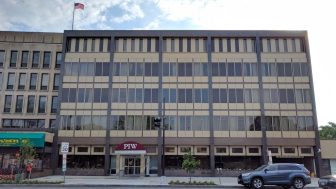
4228 Wisconsin Avenue Northwest
Washington, Washington DC 20016

3000 Connecticut Avenue Northwest
Suite 321
Washington, Washington DC 20008
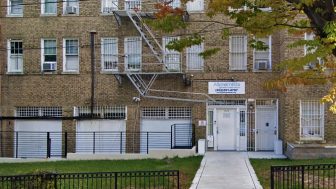
1400 Decatur Street Northwest
Washington, Washington DC 20011
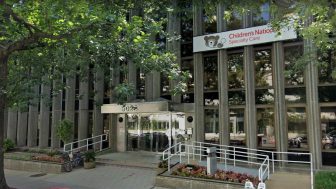
5028 Wisconsin Avenue
Suite 400
Washington, Washington DC 20016
