
Andromeda Transcultural Health
Closed: Please See Nearby Facilities
Washington, Washington DC
 Sponsored
About Andromeda Transcultural Health
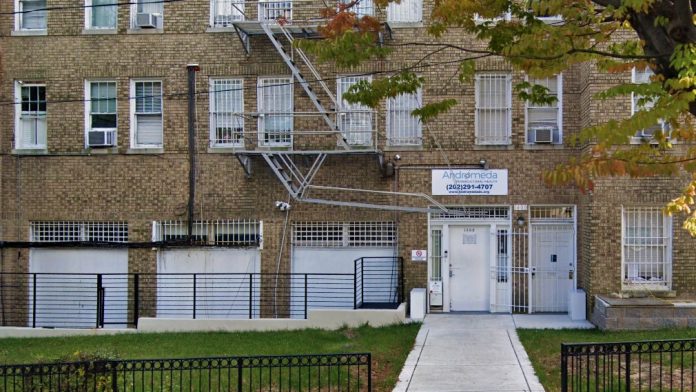
Andromeda Transcultural Health provided outpatient substance use and mental health counseling in Washington, DC. Programs were tailored to Spanish speaking people and services were focused on serving Latino, immigrant and multicultural communities. The facility is now permanently closed.
They accepted Medicaid, Alliance, Blue Cross Blue Shield and Aetna. I think it was helpful that they didn’t let financial barriers prevent anyone from receiving care. They provided specialized services for LGBTQIA+ clients and HIV positive individuals.
They offered medication assisted treatment through their buprenorphine and Suboxone treatment programs. Individual and group therapy were included as part of the Suboxone group. I noticed that they also offered treatment for anger management and domestic abuse.
HIV and AIDS Support
Services for folks living with HIV/AIDS were provided, and included transportation, assistance with housing and case management. They also offered testing and prevention programs, as well as emergency food and clothing support.
Brightwood and Petworth Community Resources
Clients here could find quiet outdoor spaces for reflection and relaxation nearby at Rock Creek Park. The Brightwood and Petworth neighborhoods were within walking distance and offered parks and community resources. The facility was easily accessible via Washington, DC’s public transit system, and healthcare services were nearby.
Mixed Patient Experiences
Clients had mixed experiences at this facility. Several praised the doctor and staff for personalized, respectful and culturally sensitive care. However, some clients said that scheduling and billing issues were challenging. Despite the clinical quality, operational difficulties frustrated some clients trying to access services.
Addiction Treatment Programs
Adults who have substance use disorders have often been through a lot — trauma, getting and losing jobs, having and losing housing, and more. In Washington, DC, an adult rehab can help you focus on these experiences and learn to process and manage them without turning to substance use.
Effective alcohol rehab in Washington, DC, helps you address the reasons you turn to alcohol and develop new, healthier coping mechanisms. The treatment center can also connect you to ongoing support services to help you maintain long-term sobriety.
Cognitive Behavioral Therapy in Washington, DC, allows people to address unhelpful ways of thinking and behaving by challenging their thinking patterns. This allows participants to overcome thinking distortions and develop better coping skills so they can move away from substance use.
A men’s rehab in Washington, DC, addresses mental and emotional concerns that are common to men, which might include sharing emotions, vulnerability, anger management, and trauma. Addressing these unique issues in a community with other men can help participants heal and develop healthy coping mechanisms so they don’t need to turn to substance use.
Opioid addiction is both physical and psychological. Opioid rehab in Washington, DC, helps participants overcome the physical aspects of withdrawal and cravings and address the mental and emotional reasons they began to misuse opioids to begin with.
Women experience life differently than men, so having a specific women’s rehab can be helpful. A women’s rehab in Washington, DC, can address pregnancy concerns, mothering skills, and the unique experiences women have that might lead to substance use, leading to a more effective treatment experience.
Young adults face a lot of uncertainty and pressure as they transition to fully independent living. Young adult rehabs in Washington, DC, can help them address these concerns in healthy ways, develop practical coping skills, and learn essential life skills so they can overcome addiction and live a substance-free lifestyle.
Levels of Care
Detox treatment in Washington DC is designed to rid the client’s body of alcohol and/or drugs in a safe and supportive environment. Medical detox involves intensive clinical supervision in either an inpatient or outpatient setting and may include the prescribing of FDA-approved medications to ease withdrawal symptoms and prevent potentially serious complications. Social detox is a process of managing substance withdrawal without medical intervention and typically includes mental health support, rest, and therapeutic nutrition and hydration.
Outpatient rehabs in Washington DC enable clients to receive addiction recovery services while continuing to live at home. They are ideal for clients who are medically stable, including those stepping down from inpatient care and/or those with mild to moderate addiction disorder not requiring hospitalization. Outpatient rehabs offer a wide range of treatment intensities determined by clients’ needs, including high-intensity partial hospitalization and intensive outpatient programs (PHP/IOP) and moderate-intensity general outpatient programs (OP).
In Washington DC, aftercare support is designed to provide a complete continuum of care for clients who have completed formal addiction treatment. Aftercare support is intended to reduce clients’ risk of relapse through a range of services tailored to clients’ evolving needs. Aftercare programs may include alumni support groups, ongoing recovery education, housing and employment assistance, 12 Step Program facilitation, vocational training and career counseling, and referrals for continuing care and other services.
Dual diagnosis care in Washington DC is a specialized, multi-pronged approach to addiction recovery tailored to the unique care needs of persons with co-occurring addiction and mental illness. Dual diagnosis care is predicated on the assumption that lasting recovery can only be achieved if the underlying mental health conditions that contribute to or exacerbate the addiction are also addressed. The dual diagnosis care model typically integrates extensive psychotherapy, recovery education, and pharmacotherapy, if appropriate.
Accreditations
Find Rehab Centers Near Washington
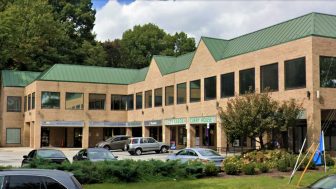
216 Michigan Avenue Northeast
Washington, Washington DC 20017
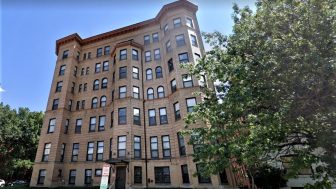
2523 14th Street Northwest
Washington, Washington DC 20009

3000 Connecticut Avenue Northwest
Suite 321
Washington, Washington DC 20008
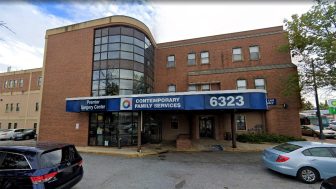
6323 Georgia Avenue Northwest
Suite 206
Washington, Washington DC 20011
