
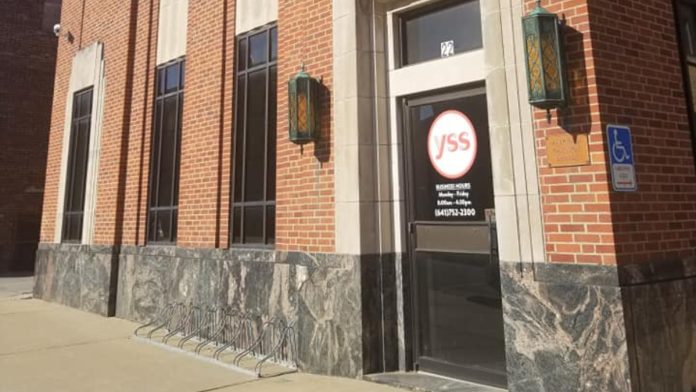
YSS of Marshall County
22 North Center Street
Marshalltown, IA 50158
 Sponsored
About YSS of Marshall County
YSS of Marshall County uses a community-based approach to support the youth of Marshalltown, Iowa. Their list of services is long and includes substance abuse and mental health counseling, homeless services, and supportive housing programs. Their office is in the heart of metropolitan Marshalltown and is easily accessible by public transit. They work with most major insurance carriers and can set up a custom payment plan if you need it.
Their licensed therapists work with individuals, families and couples either in person or online. I appreciate that they offer both English and Spanish-language counseling. They offer intervention services for folks who are in crisis. They also work with youth involved with the juvenile court.
YSS has been in Marshalltown for over 40 years. It’s easy to get started. Just make one phone call, and they’ll set you up with a qualified provider as soon as possible.
YSS offers OWI evaluations which is a substance abuse assessment. In this confidential interview, you’ll sit down with a certified counselor to discuss your substance use and relevant history. You might also take a drug test. After the assessment, the counselor will come up with a treatment plan that will help you move towards recovery. They can also arrange for psychiatric evaluations if they feel you need one.
I think it’s beneficial that YSS specializes in different therapies. They provide play and art therapy, parent-child counseling, and cognitive behavioral therapy (CBT). YSS of Marshall County also offers equine therapy where you can learn empathy and responsibility by caring for horses. Studies show that being around horses reduces stress and other mental health symptoms. Led by a YSS therapist, you’ll be able to work through your issues with the support of horses.
They work closely with the Marshalltown Police Department. Their IMPACT program sends YSS social workers alongside police officers to respond to mental illness, substance use, or family conflicts that involve emotional confrontations. Having a social worker attend these calls often decreases the unnecessary arrests and use of force and can make the situation much less stressful for the patient.
Amenities
Private drug rehab provides a comfortable, secure environment that allows you to focus on doing the work to get your life back on track. Benefits include a higher staff-to-client ratio, increased one-on-one time with therapists and healthcare providers, private rooms for clients, and customized forms of therapy.
Residential drug rehab provides the comforts of home with the therapeutic support needed to successfully recover. Benefits of an inpatient program include increased safety, a higher success rate, and the time and distance given to focus on recovery. Residential drug rehabs are often the preferred method of treatment, as they can be tailored to meet specific needs, offer focused therapeutic care, and provide the necessary tools to sustain recovery.
Addiction Treatment Programs
Treatment at an adult program in Iowa is targeted for men and women over the age of 18. These recovery services focus on establishing healthy coping skills that allow individuals to stop abusing substances.
The journey through alcohol rehab in Iowa typically involves four key phases. Treatment initiation is followed by early abstinence. Participants then learn how to maintain abstinence, and finally enter advanced recovery. These steps teach individuals how to develop and maintain a healthy, sober lifestyle.
Triggers can cause a person who is addicted to crave a substance and relapse. Cognitive behavioral therapy in Iowa teaches people how to manage these triggers in multiple ways that don’t involve turning to substances.
EMDR Therapy is a neurobiological treatment modality used to address trauma disorders and related mental and behavioral health challenges. Short for eye movement desensitization and reprocessing, EMDR is designed to help clients cope with distressing memories and emotions, including fear, sadness, and anger. EMDR may help clients in addiction recovery manage the psychological and emotional triggers that contribute to substance misuse and/or addiction relapse.
Men’s rehab in Iowa offers multiple levels of care. Treatment programs designed for men include inpatient, outpatient, partial hospitalization programs (PHP), intensive outpatient programs (IOP), detox, and sober living.
Opioid rehab in Iowa is more comprehensive than many people imagine. This treatment addresses physical, mental, emotional, and relational issues that contribute to opioid abuse. Most successful programs offer comprehensive care that includes detox, behavioral therapy, medication assisted treatment, and aftercare support.
Women and men react differently biologically, emotionally, and socially to substance abuse and addiction. That’s why women’s rehab in Iowa provides treatment targeted to meet women’s needs.
A young adult program in Iowa specializes in addiction treatment for young people from their teen years through their late 20s. Some include adults up through age 32. Treatment focuses on recovery challenges that are specific to this stage of life.
Levels of Care
Outpatient rehab in Iowa is tailored to fit each person’s needs. It may last a few weeks or more than a year. During that time, you will attend regular therapy sessions and receive support from a group such as AA or NA. This treatment will help you put strategies in place to prevent relapse and promote recovery.
Iowa dual diagnosis treatment centers focus on treating both mental health and substance abuse disorders. Since these two conditions interact heavily, this dual program is crucial to meet the needs of those who have co-occurring disorders.
Iowa sober living is less intensive than rehab treatment programs. It provides structure and support as you live independently and practice maintaining a sober lifestyle. You’ll reside with others in recovery, attend 12-step meetings, and contribute to household responsibilities. This arrangement can continue until you’re ready to live on your own.
Accreditations
Accepted Insurance




Contact Information


 Sponsored
Nearby Treatment Centers
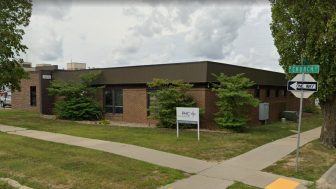
412 East Church Street
Marshalltown, IA 50158
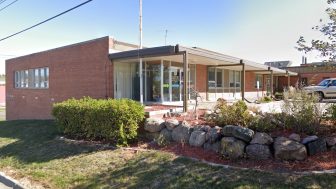
1123 1st Avenue East
Suite 200
Newton, IA 50208

201 East Merle Hibbs Boulevard
Marshalltown, IA 50158
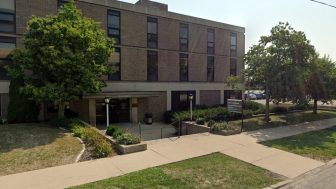
9 North 4th Avenue
P.O. Box 1453
Marshalltown, IA 50158
