Youth Focus Inc
405 Parkway
Suite A
Greensboro, NC 27401
 Sponsored
About Youth Focus Inc
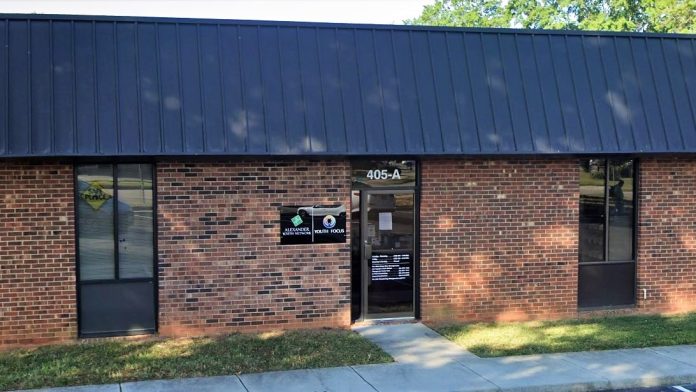
Youth Focus is a Greensboro, North Carolina, nonprofit program that helps at-risk youth find safety, stability and shelter. These housing services include trauma informed outpatient counseling, which can help address behavioral health and addiction concerns. They've merged additional SUD and mental health services with the Alexander Youth Network.
Their housing programs serve different groups in different age brackets, but in general they serve teens and young adults 11 to 21 years old who are runaways, homeless or facing other crises. Youth Focus is noted for its LGBTQIA allyship and welcomes people regardless of sexual orientation or gender identity.
More Than Shelter
I want to draw attention to the HEARTH Beyond transitional living program. This program helps individuals who are experiencing homelessness by getting them into rental housing (allowing the client to put the lease in their name) and providing financial assistance to cover rent. During this time, clients receive skills training and support designed to aid them in achieving their personal goals.
What I find so fascinating about this program is that once the resident is in a stable place and demonstrates they can support themselves they can take over the rent and stay in the home. This is a feature not always seen in placement programs. From my perspective, it adds more stability and removes the worry of "where will I go next?"
There's also a HEARTH program for non homeless individuals. This program rents out dormitory style living spaces instead but offers the same kind of support.
Addressing Emergencies
Act Together is the name of this location's emergency shelter in place for those experiencing any kind of crisis. It provides a maximum 21-day stay, and during that time you'll receive a range of medical support services including psychological and behavioral health help.
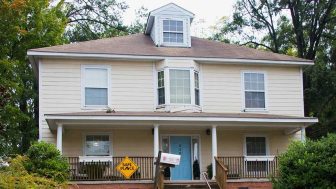
This is a home-like setting, so you may find it more comfortable than usual drop-in shelters. They also focus on group activities and encourage socialization with others in the program, so it may feel closer to a residential program than what you'd expect.
Building Safe Places
The Safe Place program allows accessible locations throughout the community (such as fire departments and schools) to designate themselves as Safe Places. Teens and youths can enter one of these Safe Spaces and be connected with a staff member to help with their crisis.
If you're experiencing an addiction or mental health crisis, this program could get the ball rolling on finding treatment. The counselors will work in your best interest and work with you to determine the best step forward.
Amenities
Residential drug rehab provides the comforts of home with the therapeutic support needed to successfully recover. Benefits of an inpatient program include increased safety, a higher success rate, and the time and distance given to focus on recovery. Residential drug rehabs are often the preferred method of treatment, as they can be tailored to meet specific needs, offer focused therapeutic care, and provide the necessary tools to sustain recovery.
Addiction Treatment Programs
When individuals participate in a young adult program in North Carolina, they feel more at ease in a setting that is age-appropriate. Activities, therapies, and aesthetics are all tailored for this age group, so participants can feel comfortable and are more likely to complete the program.
An adult program in North Carolina typically combines individual and group counseling, medical treatment, and various other therapies to treat substance use disorders. Treatment can take place in an inpatient or outpatient setting.
Alcohol rehab in North Carolina is a course of treatments that helps participants overcome alcohol dependency. Treatments address physical, mental, and emotional aspects of substance use disorder and help the individual develop healthy habits for long-term recovery.
Men’s rehab in North Carolina offers customized treatment for men. These programs provide personalized treatment that is designed with the unique needs of men in mind.
Women’s rehab in North Carolina allows women to receive gender-specific treatment tailored to their needs. Programs are available for alcohol, heroin, prescription drugs, benzos, and any other addictive substances, as well as co-occurring disorders.
To overcome opioid addiction, attend opioid rehab in North Carolina. Treatment takes place in inpatient or outpatient care, using a variety of therapies, medications, and other helpful interventions. Length of treatment caries, typically lasting 30, 60, or 90 days.
Many therapists use cognitive behavioral therapy in North Carolina to treat substance use disorders. This goal-oriented method addresses maladaptive thinking and related beliefs that affect behaviors and can lead to addiction.
There are many types of drug rehab in North Carolina. To receive treatment for addiction, you can choose from many inpatient and outpatient programs. Often, participants start with detox and work through a full continuum of care that continues with ongoing support for long-term recovery.
Women’s rehab in North Carolina allows women to receive gender-specific treatment tailored to their needs. Programs are available for alcohol, heroin, prescription drugs, benzos, and any other addictive substances, as well as co-occurring disorders.
Veteran’s rehab in North Carolina offers trauma-informed therapy from experienced mental health professionals. These programs offer a supportive and understanding environment to help Veterans recover from substance use disorders and manage co-occurring conditions.
Assertive Community Treatment (ACT) is an integrative, community-based care strategy designed to address the needs of persons with severe and/or complex mental illness or behavioral disorders. ACT is typically provided by a multidisciplinary team of medical and mental health care providers, social workers, therapists, and other specialists, including addiction recovery professionals. These services are frequently provided in the home and community to clients in crisis, those who are clinically unstable, and those who are unable or unwilling to travel to a hospital or clinic for in-person treatment.
Levels of Care
Outpatient rehab in North Carolina is often the next step for those who complete an inpatient program. This less restrictive treatment involves several hours of therapy per week, and accountability through 12-step meetings such as AA. You’ll continue this treatment as long as needed, which could be weeks, months, or years.
Some of the most common co-occurring mental health disorders include anxiety, depression, and eating disorders. When these are present alongside substance use disorder, dual diagnosis treatment in North Carolina is necessary to address both conditions.
Aftercare rehab in North Carolina is a crucial part of relapse prevention. It gives you access to resources that will help you manage stress and overcome life hurdles. Typical services include career coaching, financial guidance, and ongoing counseling and emotional support. These may continue for a few months or more than a year after initial rehab.
Nearly all drug rehabs in North Carolina begin with a detox program. When this process is complete, all addictive substances will be purged from your body. You can then move on to the next steps of drug rehab in North Carolina.
Many people find that a few months in North Carolina sober living after rehab treatment gives them a good foundation for long-term recovery. The average stay at a sober living home is five to eight months, but you get to decide when you are ready to live on your own.
Recovery journeys often begin with intervention services in North Carolina. This treatment tool provides key support in planning and facilitating an effective intervention. Intervention specialists can also provide resources to develop treatment plans and guide families through the admission process.
Accreditations
Contact Information


 Sponsored