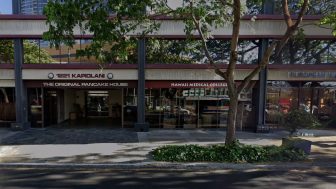
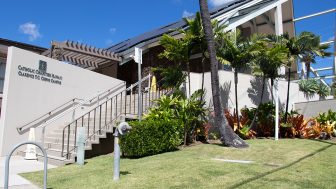
YMCA of Honolulu Kaimuki High School
2705 Kaimuki Avenue
Honolulu, HI 96816
 Sponsored
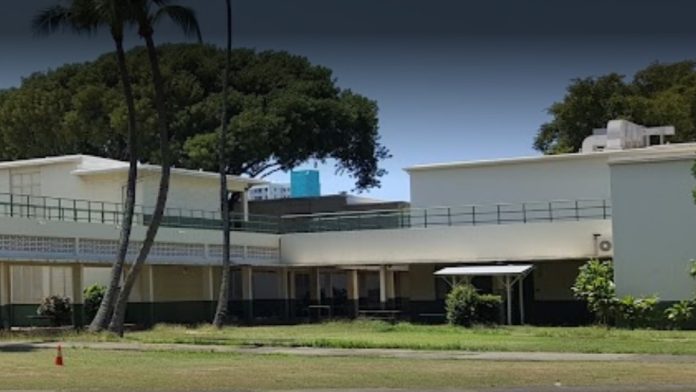
About YMCA of Honolulu Kaimuki High School
YMCA of Honolulu Kaimuki High School is a school based outpatient addiction treatment program in Honolulu, Hawaii, providing free substance use and mental health support to adolescents across Oahu.
I like their holistic care. The program offers individual and group counseling, medication management and skill building activities tailored to teens navigating recovery.
I also appreciate their whole teen approach that integrates academic support, stress management and healthy relationship development.
Outpatient Addiction Treatment Programs for Teens
Teens can access outpatient services embedded within the school setting, starting with an assessment to identify substance use patterns and any cooccurring mental health conditions.
Individual counseling and group sessions provide a safe space to explore the roots of addiction, practice coping skills and connect with peers facing similar challenges.
Quick Facts About YMCA of Honolulu Kaimuki High School
- Levels of care: Outpatient counseling, medication management and after school support programming
- Who they treat: Adolescents and teens with substance use disorders and cooccurring mental health conditions
- Approach: Holistic, school based care blending counseling, academic support and life skills development
- Payment: Free services for teens, funded by donors and Hawaii Department of Health
Amenities
When paired with cognitive-behavioral therapy, exercise can be an effective tool for overcoming addiction. Drug rehabs with a gym offer clients healthy ways to increase energy levels, balance the body’s stress hormone levels, and aid in the brain’s healing process.
Recreational therapy uniquely combines therapeutic interventions with an activity, like horse-riding, hiking, wilderness therapy, basketball, tennis, or a full workout. Benefits of recreational therapy include providing a healthy way to work through the emotions of recovery, learning to build and maintain relationships, improving communication skills, and building self-esteem.
Addiction treatment programs provide an opportunity to get your life back on track with access to school classes or college courses. Whether you want to finish your GED or go back to school to learn a new trade, facilities often enlist tutors and teachers who are certified or licensed by the state to oversee self-study or distance-learning education.
Art and music are mediums that connect with our feelings, making them a great recovery tool during addiction treatment. Studies show that combining art/music and drug rehab can have a greater therapeutic impact than drug rehab alone, as you’re able to access parts of your brain and body that you may not have access to during traditional talk therapy. Benefits of art/music therapy include lowering stress and anxiety, promoting healthy neurochemicals, and providing stress relief.
Residential drug rehab provides the comforts of home with the therapeutic support needed to successfully recover. Benefits of an inpatient program include increased safety, a higher success rate, and the time and distance given to focus on recovery. Residential drug rehabs are often the preferred method of treatment, as they can be tailored to meet specific needs, offer focused therapeutic care, and provide the necessary tools to sustain recovery.
Addiction Treatment Programs
Remission from alcohol use disorder is achieved through effective alcohol rehab in Hawaii. Participants learn how to cease heavy drinking and develop healthy lifestyle habits that lead to long-term sobriety.
Fitness therapy is an evidence-based complementary approach to addiction recovery and mental health care. Based on mounting scientific evidence of the benefits of physical activity in improving mood, enhancing clients’ sense of wellbeing, and decreasing depression and anxiety, fitness therapy encompasses a wide spectrum of intensities, from gentle yoga, qigong, and tai chi to weight training, kickboxing, and other highly physical activities.
Drug rehab in Hawaii is for individuals suffering from substance use disorders. Treatment addresses the many issues involved with addiction, typically through a combination of medical and psychotherapy treatments.
Men’s rehab in Hawaii often reduces the risk of relapse and increases treatment completion rates by giving men the opportunity to create bonds with other men who have similar challenges. They feel comfortable sharing their struggles, and continue the supportive relationships after treatment.
Because women often abuse substances for different reasons than men, women’s rehab in Hawaii provides treatment that is targeted for women. Programs focus on specific trauma, stigma, bias, and gender-role issues that can affect substance use disorders among women.
A young adult program in Hawaii is important for addressing the needs of this stage of life. Young adults face different challenges and have different motivations for using substances than older adults, and a young adult rehab program addresses these unique needs.
Offering specialized addiction treatment for LGBTQ+ people, LGBTQ-friendly rehabs in Hawaii provide a safe space and they employ experienced staff that are trained in understanding the unique challenges and stressors of the LGBTQ+ community. This allows the programs to see higher success rates.
Levels of Care
During outpatient rehab in Hawaii, you will have more freedom and less oversight than with inpatient treatment. The goals will be to stay clean, demonstrate the ability to act responsibly, and show continual progress toward recovery. This will include attending therapy and support group sessions.
Intervention services in Hawaii are often necessary to convince your loved one to get the treatment they need. Professional intervention specialists can provide pre-intervention counseling for family members, assist with staging an intervention, and provide resources to create a treatment plan.
Aftercare rehab in Hawaii typically lasts for a year after your initial treatment. This program provides ongoing support to maintain sober living. Support may include budgeting assistance, career guidance, and continued counseling, as well as 12-step meetings.
Often, substance abuse and mental health disorders are intricately linked. For successful recovery, Hawaii dual diagnosis treatment is necessary. This integrated approach provides crucial tools for improving both conditions and putting you on the path to recovery.
Accreditations
Contact Information


 Sponsored