
Whitney Academy Business Office
85 Dr Braley Rd
East Freetown, MA 02717
 Sponsored
About Whitney Academy Business Office
Whitney Academy in East Freetown, Massachusetts is a residential treatment program offering integrated clinical and medical, educational and residential services for students with complex behavioral and developmental needs.
The program serves youth dealing with trauma, sexual behavioral problems and developmental delays through a structured, home like environment on a rural campus in Southeastern Massachusetts. I want to add that families appreciate the individualized treatment planning and the multi modal approach that includes therapy, psychiatry and specialized education.
What programs are offered?
Whitney Academy provides residential treatment with continuous supervision in community based homes combining individual, group, and family therapy with psychiatric oversight and medication monitoring.
The program uses a developmental treatment model addressing self regulation and attachment, social skills and cognitive skills, independent living and healthy sexuality through experiential therapies and drama therapy, play therapy and EMDR, biofeedback and movement exercises.
Who can get help here?
The program serves students with needs related to trauma, sexual behavioral problems and a range of developmental delays. Treatment is individualized through admission assessments that identify emotional, behavioral and cognitive strengths and needs.
What is the setting like?
Students live in spacious colonial New England homes in country settings designed to mirror healthy family living, with multiple areas for group activities, music and solitude. I want to note that the rural Southeastern Massachusetts location is convenient to Boston and Cape Cod, Providence and Newport, and is serviced by Logan International and T.F. Green airports.
How do I learn more?
You can reach out to Whitney Academy in East Freetown, Massachusetts to discuss your student's needs and begin the assessment and admissions process.
Amenities
Residential drug rehab provides the comforts of home with the therapeutic support needed to successfully recover. Benefits of an inpatient program include increased safety, a higher success rate, and the time and distance given to focus on recovery. Residential drug rehabs are often the preferred method of treatment, as they can be tailored to meet specific needs, offer focused therapeutic care, and provide the necessary tools to sustain recovery.
In order to maintain a sense of autonomy, many private rehab facilities offer clients the ability to choose their own private rooms. The privacy and personal space ensure that the recovery process is as comfortable as possible.
Recreational therapy uniquely combines therapeutic interventions with an activity, like horse-riding, hiking, wilderness therapy, basketball, tennis, or a full workout. Benefits of recreational therapy include providing a healthy way to work through the emotions of recovery, learning to build and maintain relationships, improving communication skills, and building self-esteem.
Addiction treatment programs provide an opportunity to get your life back on track with access to school classes or college courses. Whether you want to finish your GED or go back to school to learn a new trade, facilities often enlist tutors and teachers who are certified or licensed by the state to oversee self-study or distance-learning education.
Addiction Treatment Programs
Cognitive behavioral therapy in Massachusetts is a hands-on method that engages participants in changing their thought and behavior patterns. Rather than a talk-listen approach, individuals are actively involved in working with their therapist to treat their addiction.
Teen and young adult substance abuse can set individuals on a life-long path of destruction. A young adult program in Massachusetts can intervene in young adults’ lives to set them on a better path during this crucial stage of life.
For men who want to stop drinking or using drugs, men’s rehab in Massachusetts offers help and hope. These treatment programs, designed specifically for men, help participants recover and rebuild their lives.
Women who are seeking treatment for substance use disorders can receive various levels of care at women’s rehab in Massachusetts. Programs include detox, partial hospitalization programs (PHP), intensive outpatient programs (IOP), telehealth programs, sober living, outpatient, and aftercare.
LGBTQ-friendly rehab in Massachusetts offers programs targeted to the unique experiences within this diverse community. Staff specialists understand that an environment promoting acceptance makes it easier for people to open up and focus on healing.
EMDR Therapy is a neurobiological treatment modality used to address trauma disorders and related mental and behavioral health challenges. Short for eye movement desensitization and reprocessing, EMDR is designed to help clients cope with distressing memories and emotions, including fear, sadness, and anger. EMDR may help clients in addiction recovery manage the psychological and emotional triggers that contribute to substance misuse and/or addiction relapse.
Fitness therapy is an evidence-based complementary approach to addiction recovery and mental health care. Based on mounting scientific evidence of the benefits of physical activity in improving mood, enhancing clients’ sense of wellbeing, and decreasing depression and anxiety, fitness therapy encompasses a wide spectrum of intensities, from gentle yoga, qigong, and tai chi to weight training, kickboxing, and other highly physical activities.
Levels of Care
As the most intensive treatment setting, inpatient drug rehab in Massachusetts treatment involves 24/7 supervised care. At this level of care, you typically participate in individual, group, and family therapy sessions, and you may receive medication and additional recreational therapies.
If you meet the diagnostic criteria for two or more conditions, you have a dual diagnosis. Massachusetts dual diagnosis treatment is designed to address both conditions simultaneously, for improved recovery outcomes.
Accreditations
Accepted Insurance




Contact Information


 Sponsored
Natalie is a recent graduate of Purdue University, where she studied psychology and creative writing. Every morning, she’s fueled by a cup of tea and her passion for making sure mental health resources are accessible to everyone. In her spare time, she loves writing poetry by her window, where she can watch the sunrise.
Rehabs.org regularly reviews this listing for accuracy but changes may occur between updates. For the most up-to-date information, please contact Whitney Academy Business Office.
Nearby Treatment Centers

110 Kilburn St
New Bedford, MA 02740
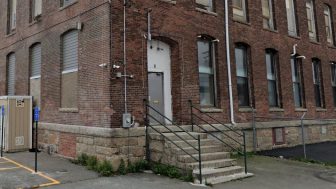
8 Kilburn Street
New Bedford, MA 02740
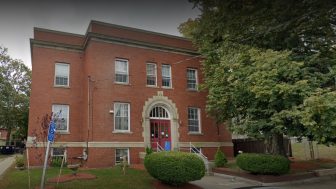
234 Earle Street
New Bedford, MA 02746
44 Kilburn Street
New Bedford, MA 02740
