Western Montana Mental Health Center Lincoln County Libby
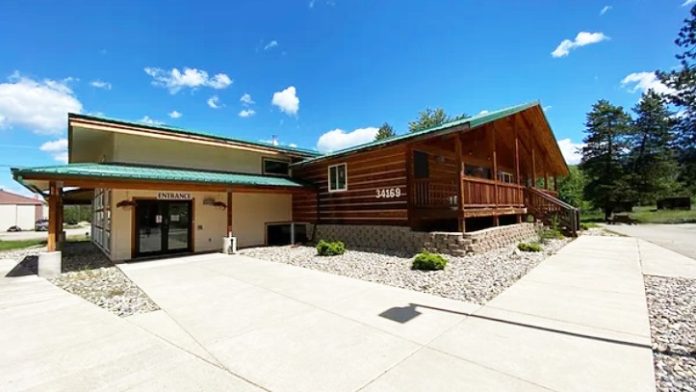
34169 U.S. 2
Libby, MT 59923
 Sponsored
About Western Montana Mental Health Center Lincoln County Libby
For adults suffering from substance use disorders, the Western Montana Mental Health Center Libby Mental Health Center in Libby, Montana, offers a variety of programs and treatment choices. Their services use evidence based interventions. Medicaid, Medicare and Healthy Montana Kids are just a few of the insurance companies they collaborate closely with to optimize your coverage. In certain situations a sliding scale fee might be offered to assist with the cost of treatment.
Alcohol, benzodiazepines, heroin and prescription opioids are just a few of the substance use disorders they treat. Their treatment methods include individual therapy, group therapy, medication for opioid use disorder and community support.
Those convicted of driving under the influence can access resources through their assessment course and treatment program for substance related offenses. Misdemeanor services are also offered. These provide assistance through intervention.
Their services for community prevention concentrate on leadership training, educational outreach and mentoring to counteract the detrimental effects of substance abuse on individuals and families. Additionally they offer outpatient programs that provide various levels of treatment including intensive outpatient, day treatment and relapse prevention. Their peer support services match clients with people who have gone through similar things to promote mutual aid and deep understanding.
Amenities
In order to maintain a sense of autonomy, many private rehab facilities offer clients the ability to choose their own private rooms. The privacy and personal space ensure that the recovery process is as comfortable as possible.
Addiction treatment in the metro area benefits clients by offering seamless connections from the city, around the state, and those seeking out-of-state treatment. Another benefit of attending a metro area drug rehab is that you’re close to major airports and ground transportation services.
Business centers are a preferred amenity in many mental health and addiction recovery facilities and typically feature secure, high-speed internet, computer stations, printers, and related business technologies. Business centers are designed to enable professionals and students to continue to participate in work or school activities without leaving the treatment facility.
Addiction Treatment Programs
Young people in high school, college, or starting their careers can find it challenging to seek addiction treatment. A young adult program in Montana helps overcome barriers of this stage of life by addressing these challenges and offering customized treatment.
An adult program in Montana may provide high-intensity treatment, low-intensity services, or a full continuum of care. Programs are designed to meet each individual’s needs and put them on a healthy recovery track.
Alcohol rehab in Montana typically offers detox and abstinence treatment, but it also goes beyond this initial phase of recovery. Staff connect participants with resources to provide ongoing support, to prevent relapse and ensure long-term sobriety.
There are many programs that offer men’s rehab in Montana. At these facilities, men receive supportive, gender-specific services they need to achieve recovery.
Gender-specific care is available at women’s rehab in Montana for women seeking addiction treatment. These programs provide treatment that is geared toward women and the unique issues they face.
Opioid rehab in Montana usually begins with medically supervised detox, followed by an addiction treatment program. The program typically includes a variety of evidence-based therapies, such as cognitive behavioral therapy, dialectical behavior therapy, family therapy, and group therapy.
Many addiction treatment centers include cognitive behavioral therapy in Montana as part of individualized recovery plans in either outpatient or inpatient treatment. This action-focused approach equips participants to make changes in thoughts and behaviors.
A comprehensive drug rehab in Montana treats the entire person. Treatment methods address all the underlying causes of addiction and give the individual the tools they need to live a healthy, drug-free life.
Elderly rehab in Montana is effective because it is tailored to the individual’s needs. Whether the program is inpatient or outpatient, it is designed to meet the unique needs of seniors who are struggling with substance use disorders.
Levels of Care
During outpatient rehab in Montana, you will focus on developing life skills to prevent relapse. This is accomplished through regular sessions with a therapist as well as accountability through support groups such as NA or AA. There is no set timeline for outpatient rehab, since it is based on each individual’s recovery needs.
The Montana dual diagnosis model integrates treatment for both mental health and substance abuse disorders. Specialists from both fields provide crucial treatment, so all of your recovery needs are met.
Greatly reducing the risk of relapse, aftercare rehab in Montana provides ongoing assistance after you complete treatment. Counseling services, support groups, and career coaching are some of the services offered. Aftercare support can continue as long as you need it.
Detox is a necessary first step of drug rehab in Montana. During this time, your body cleanses itself of all addictive substances. You’ll receive 24/7 professional supervision, which often includes administration of medication to help with withdrawal.
In many cases, alcohol and drug rehab in Montana won’t begin without intervention. Professional intervention services include the planning and facilitation of an intervention, development of a transportaion plan, and guidance in choosing the best program for your loved one.
Partial hospitalization programs (PHPs) in Montana allow you to participate in onsite treatment sessions during the day, then return home at night. PHPs can involve different individual therapy methods, along with group and family counseling sessions.
Contact Information


 Sponsored