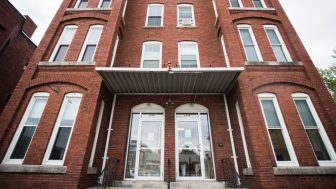
WestBridge
660 Chestnut Street
Manchester, NH 03104
 Sponsored

About WestBridge
WestBridge provides substance abuse and mental health treatment for adults 18 and older in Manchester, New Hampshire. Their intensive outpatient program is appropriate for those who need a balance of flexibility and structure. Guests can attend in-person and virtual services, which offer more convenience for those working or attending school. For men needing higher-intensity care, they may provide referrals to their residential treatment program.
You’ll find a welcoming atmosphere at WestBridge where you can heal and work through recovery. One of the primary focuses of their program is connection. They believe family and community interaction is crucial for sobriety and mental wellness. The Community Integration Program (CIP) works to bring you back into socialization without substance use.
They have experience with co-occurring conditions that frequently accompany addiction issues. Whether you struggle with mood disorders like depression, post-traumatic stress disorder or a psychotic condition the team at WestBridge provides hope for recovery. You also do not need a formal diagnosis to get treatment. Their expert team will provide comprehensive assessments to help them determine your unique treatment needs.
Case management services are available to support and guide you through the program. They can connect you to outside resources like healthcare, insurance, housing, food and clothing assistance.
Family support is a vital component of the program. They understand that you need a strong network after treatment and provide resources to help loved ones navigate and understand addiction behaviors.
The goal is to help you create a healthy, sober lifestyle. You’ll learn to manage sleep habits, improve relationships, maintain employment and become an independent member of your community.
Amenities
Private drug rehab provides a comfortable, secure environment that allows you to focus on doing the work to get your life back on track. Benefits include a higher staff-to-client ratio, increased one-on-one time with therapists and healthcare providers, private rooms for clients, and customized forms of therapy.
Recreational therapy uniquely combines therapeutic interventions with an activity, like horse-riding, hiking, wilderness therapy, basketball, tennis, or a full workout. Benefits of recreational therapy include providing a healthy way to work through the emotions of recovery, learning to build and maintain relationships, improving communication skills, and building self-esteem.
Residential drug rehab provides the comforts of home with the therapeutic support needed to successfully recover. Benefits of an inpatient program include increased safety, a higher success rate, and the time and distance given to focus on recovery. Residential drug rehabs are often the preferred method of treatment, as they can be tailored to meet specific needs, offer focused therapeutic care, and provide the necessary tools to sustain recovery.
Swimming increases blood flow to the body and brain, boosts white blood cells, and improves muscle strength, lung capacity, and overall stamina. Drug rehabs with a swimming pool offer physical and mental benefits to complement the recovery process.
Treatment centers with a yoga studio offer a special form of holistic therapy during the recovery process. Yoga boosts mindfulness, a sense of calm, and healthy reflection during drug rehab via breathing exercises, stretching, and a progression of specific postures.
Addiction Treatment Programs
Inpatient, outpatient, and sober living programs are all examples of an adult program in New Hampshire. These addiction recovery treatment programs use similar methods of medical and therapeutic interventions, offered at different levels of intensity.
Alcohol rehab in New Hampshire gives you the tools you need to reclaim your life. Programs address physical, mental, and relational issues that contribute to alcohol abuse. Through medical and psychotherapeutic methods, professionals help you work through these issues and take your life in a different direction.
Treatment provided at drug rehab in New Hampshire prepares individuals to handle life stressors without using substances. Participants get the tools and support they need to maintain lifelong recovery.
Men and women benefit in different ways from substance use disorder treatment. Men’s rehab in New Hampshire focuses on behavioral and pharmacological treatment that works best for men.
Patients at opioid rehab in New Hampshire work with counselors and therapists to choose which approaches will best meet their needs. Participants receive individualized treatment that helps them get to the root of addiction issues and achieve comprehensive physical and emotional healing.
Each young adult program in Nevada employes treatment professionals who specialize in the unique needs of this stage of life. Their expertise helps meet the needs of young adults in treatment so they feel valued and understood and can achieve a successful recovery.
Levels of Care
Alcohol and drug rehab in New Hampshire usually begin with detox. This process may take up to a week, as your body is slowly and safely cleansed of all addictive substances.
Inpatient rehab in New Hampshire typically includes group, individual, and other types of family therapy. At this level of care, you’ll have access to 24/7 medical care while you live at the drug rehab in New Hampshire.
During outpatient rehab in New Hampshire, you’ll attend a support group such as NA or AA. You’ll also attend regular sessions with a recovery expert and may also attend group therapy. These treatments are designed to develop sober-living skills and prevent relapse.
After you complete early phases of rehab, you’ll be eligible for aftercare rehab in New Hampshire. Studies have shown that those who take advantage of these programs are far less likely to relapse. They provide ongoing support services, for a year or more, as you face the challenges of maintaining sobriety.
New Hampshire dual diagnosis treatment staff specialize in recognizing and treating mental health disorders that often co-occur with substance abuse. Addressing both through dual diagnosis treatment is key to positive recovery outcomes.
Accreditations
Contact Information


 Sponsored