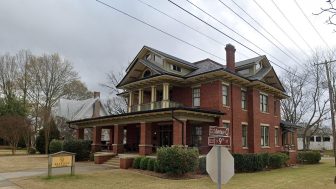
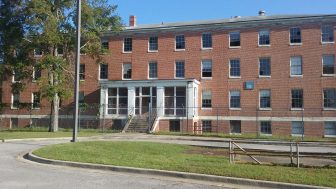
Waverly Residential Care Home Mental Rehabilitation
2401 Waverly Parkway
Opelika, AL 36801
 Sponsored

About Waverly Residential Care Home Mental Rehabilitation
Waverly Residential Care Home is a mental rehabilitation facility that provides care for ongoing behavioral health and mental health conditions for adults. It’s located in Opelika, Alabama. In particular, this facility provides care for people who aren’t able to live independently, but don’t need more structured hospitalization. Dual diagnosis care can be provided here, but they don’t prioritize substance use disorders.
This residential facility is near East Alabama Medical Center, ensuring that residents are able to receive routine or emergency medical treatment as needed. Opelika has a variety of popular green spaces, including the Opelika Municipal Park, which is part of the historic downtown area. Likewise, I like that this facility isn’t far from Auburn University and Chewacla State Park.
Long-Term Assistive Care
For adults with severe mental disorders or experiencing a debilitating episode, Waverly offers stability and support when they need it most. Dual diagnosis care can be provided here as well for residents facing more than one mental disorder. However, this facility isn’t a crisis stabilization facility. People in an active crisis may be transferred, but you need to have already reached a safe level before being referred to Waverly.
This isn’t a clinical psychiatric facility but instead provides quality of life and a structured daily routine. They may offer life skills development, courses on finance management, and basic needs so that you won’t be stressed out about independent living when you graduate.
Building Towards Independence
While long term residential care is readily provided, the overall goal is to help residents stabilize their diagnosis and build life skills to a point where they can eventually be discharged and ideally live independently. To support this overarching goal, I noticed this facility focuses on building life and living skills.
For information on payment or accepted insurance plans, consider speaking with a patient care advocate.
Amenities
Residential drug rehab provides the comforts of home with the therapeutic support needed to successfully recover. Benefits of an inpatient program include increased safety, a higher success rate, and the time and distance given to focus on recovery. Residential drug rehabs are often the preferred method of treatment, as they can be tailored to meet specific needs, offer focused therapeutic care, and provide the necessary tools to sustain recovery.
In order to maintain a sense of autonomy, many private rehab facilities offer clients the ability to choose their own private rooms. The privacy and personal space ensure that the recovery process is as comfortable as possible.
Private drug rehab provides a comfortable, secure environment that allows you to focus on doing the work to get your life back on track. Benefits include a higher staff-to-client ratio, increased one-on-one time with therapists and healthcare providers, private rooms for clients, and customized forms of therapy.
Addiction Treatment Programs
Adult rehab programs in Alabama provide addiction treatment for men and women ages 18 and older. Treatment focuses on helping adults break their dependence on substances and learn ways to live a sober lifestyle.
A young adult program in Alabama offers treatment tailored to young adults to provide the self-care, connection, and self-understanding they need to move forward in life. This treatment is designed by specialists who are familiar with the challenges of this stage of life.
Levels of Care
Residential or inpatient rehab in Alabama involves living at the rehab facility and receiving 24/7 supervised care. A combination of treatment interventions is offered, including individual and group therapy, nutritional counseling, experiential therapies, and medication.
Alabama dual diagnosis treatment takes an integrated approach to substance abuse and mental health disorders that occur simultaneously. Since co-occurring disorders tend to have overlapping symptoms, treating both conditions at the same time is essential for recovery.