Waubonsie Mental Health Center
 Sponsored

About Waubonsie Mental Health Center
Waubonsie Mental Health Center is a nonprofit substance use and mental health treatment provider in Clarinda, Iowa, offering ASAM-based outpatient addiction care alongside integrated behavioral health services.
Founded in 1982, I've learned that the center provides OWI evaluations, outpatient substance use treatment, continuing care, therapy and psychiatric medication management.
Clients benefit from a trauma informed approach and a strong community focus across southwest Iowa.
ASAM Care at Waubonsie Mental Health Center
The Clarinda office provides ASAM informed outpatient substance use treatment, with fewer than nine weekly treatment hours for adults and fewer than six for juveniles.
Continuing care of at least one treatment hour per month is also available.
The center offers OWI evaluations and substance abuse assessments, including those required under Iowa Code Chapter 321J.
Substance use services are available for both adults and juveniles, and the center also supports individuals, couples and families.
Care, I've learned, extends to people managing depression, anxiety, trauma and serious, persistent mental illness.
Affordable Community Based Care in Iowa
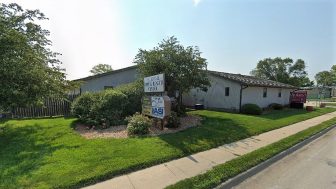
The office is on Division St in Clarinda, Iowa, serving Fremont, Montgomery and Page Counties, with additional offices in Shenandoah and Red Oak.
Beyond outpatient counseling, the center offers CBT, EMDR, DBT and play therapy, along with psychiatric medication management.
Peer support led by a certified peer support specialist and community based living assistance helps clients build lasting stability.
Waubonsie accepts a wide variety of insurance plans and private pay, with a sliding-fee schedule based on income.
No one is denied care due to inability to pay.
Addiction Treatment Programs
A young adult program in Iowa specializes in addiction treatment for young people from their teen years through their late 20s. Some include adults up through age 32. Treatment focuses on recovery challenges that are specific to this stage of life.
Treatment at an adult program in Iowa is targeted for men and women over the age of 18. These recovery services focus on establishing healthy coping skills that allow individuals to stop abusing substances.
Men’s rehab in Iowa offers multiple levels of care. Treatment programs designed for men include inpatient, outpatient, partial hospitalization programs (PHP), intensive outpatient programs (IOP), detox, and sober living.
Women and men react differently biologically, emotionally, and socially to substance abuse and addiction. That’s why women’s rehab in Iowa provides treatment targeted to meet women’s needs.
Triggers can cause a person who is addicted to crave a substance and relapse. Cognitive behavioral therapy in Iowa teaches people how to manage these triggers in multiple ways that don’t involve turning to substances.
Recovery is possible for older adults, through elderly rehab in Iowa. Numerous facilities offer this specialized treatment that addresses addiction along with the unique concerns of the elderly.
When you attend rehab, your substance abuse treatment plan may include rational emotive behavioral therapy in Iowa. This evidence-based method helps regulate feelings, thoughts, and behaviors through action-oriented therapy.
Assertive Community Treatment (ACT) is an integrative, community-based care strategy designed to address the needs of persons with severe and/or complex mental illness or behavioral disorders. ACT is typically provided by a multidisciplinary team of medical and mental health care providers, social workers, therapists, and other specialists, including addiction recovery professionals. These services are frequently provided in the home and community to clients in crisis, those who are clinically unstable, and those who are unable or unwilling to travel to a hospital or clinic for in-person treatment.
Levels of Care
Outpatient rehab in Iowa is tailored to fit each person’s needs. It may last a few weeks or more than a year. During that time, you will attend regular therapy sessions and receive support from a group such as AA or NA. This treatment will help you put strategies in place to prevent relapse and promote recovery.
Iowa dual diagnosis treatment centers focus on treating both mental health and substance abuse disorders. Since these two conditions interact heavily, this dual program is crucial to meet the needs of those who have co-occurring disorders.
Contact Information


 Sponsored
Maygen Brockway, MTC, has more than 10 years of editing and writing experience. She’s written for the medical, wedding, fashion, and technical industries. She’s a poetry lover, coffee and whiskey drinker, social butterfly, and mom who lives in scenic Southern Utah. She has a Master’s in Technical Communication and loves writing.
Rehabs.org regularly reviews this listing for accuracy but changes may occur between updates. For the most up-to-date information, please contact Waubonsie Mental Health Center.