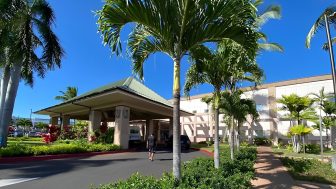
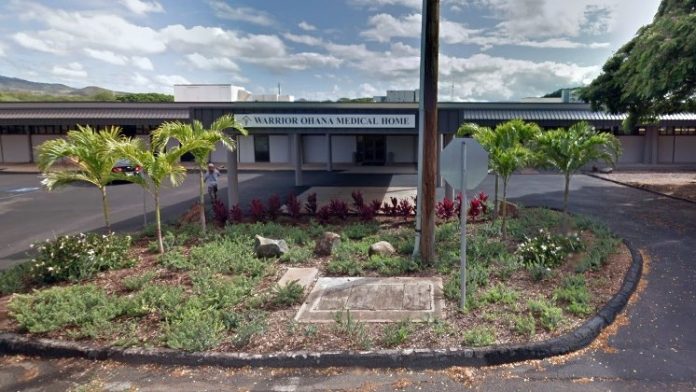
Warrior Ohana Medical Home
91-1010 Shangrila Street
Kapolei, HI 96707
 Sponsored
About Warrior Ohana Medical Home
Just 35 minutes from Tripler Army Medical Center, on Oahu’s west side, you’ll find Warrior Ohana Medical Home in Kapolei, Hawaii. This facility provides primary and integrated behavioral healthcare for active-duty service members and their families. They also serve retired service members under the age of 64.
While they don’t offer intensive substance use disorder (SUD) services, they provide referrals for addiction treatment at the medical center. You can use your TRICARE benefits at either location.
Bringing All Your Care Together
At Warrior, care feels personal because they serve a smaller population. I’ve never liked bouncing between different doctors and specialists, but here, you get a team working together, all under one roof. If you’re dealing with addiction, depression, PTSD or other mental health issues you won’t have to juggle multiple providers who don’t communicate with each other.
Since they don’t care for as many patients, they have more available appointments and shorter wait times. I think you’ll feel the difference in how quickly you can get help.
Telehealth Options
Their telehealth services for behavioral health make it easy to get help without leaving home. Honestly, I think it’s a great option because you can stay connected with your care team who already knows you and your situation. It just makes everything feel a little more personal.
Their vision is to “Kou Ohana Elua” (to be a second family). Warrior makes that happen by offering personalized care and building strong relationships.
Amenities
Private drug rehab provides a comfortable, secure environment that allows you to focus on doing the work to get your life back on track. Benefits include a higher staff-to-client ratio, increased one-on-one time with therapists and healthcare providers, private rooms for clients, and customized forms of therapy.
Recreational therapy uniquely combines therapeutic interventions with an activity, like horse-riding, hiking, wilderness therapy, basketball, tennis, or a full workout. Benefits of recreational therapy include providing a healthy way to work through the emotions of recovery, learning to build and maintain relationships, improving communication skills, and building self-esteem.
Addiction Treatment Programs
A young adult program in Hawaii is important for addressing the needs of this stage of life. Young adults face different challenges and have different motivations for using substances than older adults, and a young adult rehab program addresses these unique needs.
Men and women over 18 who struggle with substance abuse can receive treatment through an adult program in Hawaii. Programs may include inpatient and/or outpatient care and typically include individual and group therapy methods.
Remission from alcohol use disorder is achieved through effective alcohol rehab in Hawaii. Participants learn how to cease heavy drinking and develop healthy lifestyle habits that lead to long-term sobriety.
Men’s rehab in Hawaii often reduces the risk of relapse and increases treatment completion rates by giving men the opportunity to create bonds with other men who have similar challenges. They feel comfortable sharing their struggles, and continue the supportive relationships after treatment.
Because women often abuse substances for different reasons than men, women’s rehab in Hawaii provides treatment that is targeted for women. Programs focus on specific trauma, stigma, bias, and gender-role issues that can affect substance use disorders among women.
Elderly rehab in Hawaii can provide a safe haven for older adults to seek addiction treatment. Programs include a supportive peer network and specialists who are knowledgeable about the challenges of addiction among seniors.
During Veteran’s rehab in Hawaii, participants undergo an assessment to identify any co-occurring disorders such as PTSD. Specialists then develop a rehab plan tailored to each Veteran’s needs. Treatment may include individual therapy, group therapy, and support groups.
Levels of Care
During outpatient rehab in Hawaii, you will have more freedom and less oversight than with inpatient treatment. The goals will be to stay clean, demonstrate the ability to act responsibly, and show continual progress toward recovery. This will include attending therapy and support group sessions.
Often, substance abuse and mental health disorders are intricately linked. For successful recovery, Hawaii dual diagnosis treatment is necessary. This integrated approach provides crucial tools for improving both conditions and putting you on the path to recovery.
Aftercare rehab in Hawaii typically lasts for a year after your initial treatment. This program provides ongoing support to maintain sober living. Support may include budgeting assistance, career guidance, and continued counseling, as well as 12-step meetings.
Accreditations
Contact Information


 Sponsored