
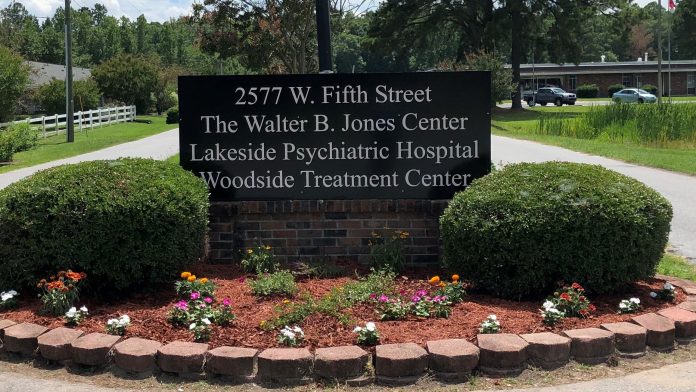
Walter B. Jones Alcohol and Drug Abuse Treatment Center
2577 West 5th Street
Greenville, NC 27834
 Sponsored
About Walter B. Jones Alcohol and Drug Abuse Treatment Center
Located in Greenville, North Carolina, Walter B. Jones Center is a state operated dual diagnosis alcohol and drug addiction treatment center. Offering mental health evaluations, medically monitored detox, crisis stabilization, drug and alcohol inpatient treatment, perinatal programs, outpatient opioid treatment program, counseling, crisis stabilization, continuing care, recovery support groups, community based support, and referrals.
Walter B. Jones Center is one of three mental health facilities operated by North Carolina Alcohol and Drug Abuse Treatment Centers (ADATC) for individuals struggling with addiction and co-occurring mental health diagnoses. Using the best standards of care outlined by the American Society of Addiction Medicine, the Walter B. Jones Center treatment model is trauma informed and evidence based. The clinical team of psychiatrists, psychiatric nurses, and licensed counselors determine the most appropriate level of care following a comprehensive mental health assessment. The structured drug rehab recovery program includes individual and group therapy, family counseling, medication management, skill development, peer support, medication assisted treatment, and discharge planning. Evidence based therapies include cognitive behavioral therapy, dialectical behavioral therapy, and motivational interviewing. Upon completion of a program, each patient will receive a comprehensive continuing care and discharge plan, which may include community based referrals and aftercare support.
Medication assisted treatment (MAT) is a highly effective and evidence based treatment, endorsed by the National Institute on Drug Abuse as the gold standard treatment for certain substance use disorders. Used as a treatment protocol for pregnant and postpartum parents and individuals with opioid addiction. MAT involves the use of certain medications, like methadone, in combination with behavioral counseling.
Walter B. Jones Center is accredited by the Joint Commission and licensed by the state. Programs are available to any adult in North Carolina regardless of financial resources or insurance status. Patients pay a sliding scale fee determined by their income.
Amenities
Private drug rehab provides a comfortable, secure environment that allows you to focus on doing the work to get your life back on track. Benefits include a higher staff-to-client ratio, increased one-on-one time with therapists and healthcare providers, private rooms for clients, and customized forms of therapy.
Recreational therapy uniquely combines therapeutic interventions with an activity, like horse-riding, hiking, wilderness therapy, basketball, tennis, or a full workout. Benefits of recreational therapy include providing a healthy way to work through the emotions of recovery, learning to build and maintain relationships, improving communication skills, and building self-esteem.
Addiction Treatment Programs
When individuals participate in a young adult program in North Carolina, they feel more at ease in a setting that is age-appropriate. Activities, therapies, and aesthetics are all tailored for this age group, so participants can feel comfortable and are more likely to complete the program.
Any adult in North Carolina can be admitted, regardless of financial resources or insurance status. The centers serve adults who need substance use disorder treatment and psychiatric stabilization.
The centers serve adults who need substance use disorder treatment. This Greenville center opened in 1969 as an alcohol rehab center.
Men’s rehab in North Carolina offers customized treatment for men. These programs provide personalized treatment that is designed with the unique needs of men in mind.
Women’s rehab in North Carolina allows women to receive gender-specific treatment tailored to their needs. Programs are available for alcohol, heroin, prescription drugs, benzos, and any other addictive substances, as well as co-occurring disorders.
An inpatient opioid treatment program permits medications for opioid use disorder. The Outpatient Opioid Treatment Program Clinic treats adults with methadone and buprenorphine.
Many therapists use cognitive behavioral therapy in North Carolina to treat substance use disorders. This goal-oriented method addresses maladaptive thinking and related beliefs that affect behaviors and can lead to addiction.
There are many types of drug rehab in North Carolina. To receive treatment for addiction, you can choose from many inpatient and outpatient programs. Often, participants start with detox and work through a full continuum of care that continues with ongoing support for long-term recovery.
Elderly rehab in North Carolina provides specialized treatment for addiction among adults ages 55 and older or 65 and older. This treatment typically addresses dual diagnosis, substance use disorder, and age-specific concerns of seniors.
Specialized programs include evidence-based treatment for veterans and for trauma survivors, along with statewide perinatal care and opioid treatment.
Levels of Care
Some of the most common co-occurring mental health disorders include anxiety, depression, and eating disorders. When these are present alongside substance use disorder, dual diagnosis treatment in North Carolina is necessary to address both conditions.
Aftercare rehab in North Carolina is a crucial part of relapse prevention. It gives you access to resources that will help you manage stress and overcome life hurdles. Typical services include career coaching, financial guidance, and ongoing counseling and emotional support. These may continue for a few months or more than a year after initial rehab.
Woodside Treatment Center offers inpatient crisis detox and crisis stabilization for adults with substance use disorders, including those with co-occurring mental health disorders.
Short-term detoxification is medically monitored, and crisis stabilization is included. It prepares adults with substance use disorders and co-occurring mental health disorders for community recovery services. An inpatient opioid program also permits medications for opioid use disorder.
Adults treated at the Outpatient Opioid Treatment Program Clinic can receive methadone or buprenorphine as medications for opioid use disorder.
Accreditations
Accepted Insurance
Contact Information


 Sponsored
Located in Portland, OR, Olivia Pennelle (Liv) is an author, journalist & content strategist. She’s the founder of Liv’s Recovery Kitchen, a popular site dedicated to providing the ingredients for a fulfilling life in recovery. Liv also co-founded the podcast Breaking Free: Your Recovery, Your Way. She found recovery in 2012 & her pathway is a fluid patchwork of what works for her.
Quentin brings nearly a decade of experience as a writer, editor, and digital publisher to his role as Content Manager for Addictions.com. He aims to help people better understand their treatment options by creating engaging and informative content that is user-friendly, factually accurate, and optimized for search engine visibility. In his free time, Quentin enjoys the company of his friends, family, and his dog, Coop.
Rehabs.org regularly reviews this listing for accuracy but changes may occur between updates. For the most up-to-date information, please contact Walter B. Jones Alcohol and Drug Abuse Treatment Center.
Nearby Treatment Centers

Popular North Carolina Cities
More Cities View Other North Carolina CitiesFAQs
Is detox, inpatient care, or outpatient opioid treatment available?
Yes. Short-term medical detox is medically monitored, with crisis stabilization, for adults who have substance use disorders plus co-occurring mental health disorders. Woodside Treatment Center provides inpatient crisis detox and stabilization. Adults can get inpatient psychiatric treatment at Lakeside Psychiatric Hospital, supervised by licensed mental health professionals. An inpatient program permits medications for opioid use disorder, and the Outpatient Opioid Treatment Program Clinic uses methadone and buprenorphine.
Which adults can be admitted, including during pregnancy?
Any adult in North Carolina can be admitted, regardless of financial resources or insurance status. The Perinatal Program permits pregnant patients with substance use disorders, or with co-occurring mental health disorders, to receive treatment throughout pregnancy. Specialized programs also include opioid treatment and evidence-based care for trauma survivors and veterans.
Who certifies the outpatient opioid treatment clinic?
OTP services hold certifications from the Substance Abuse and Mental Health Services Administration of the United States. That agency’s Center for Substance Abuse Treatment is part of the certification. Separate certification also comes from The Joint Commission and from the N.C. State Opioid Treatment Authority.
