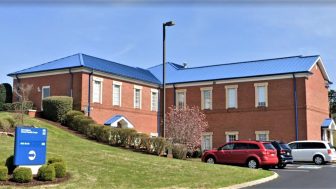
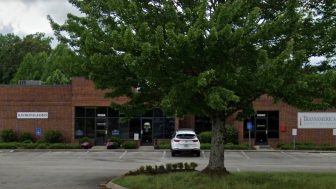
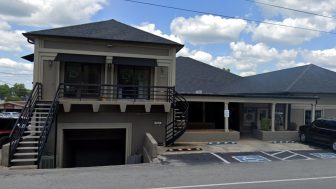
Dale Hollow Mental Health Center
501 Spruce St
Livingston, TN 38570
 Sponsored
About Dale Hollow Mental Health Center
Volunteer Behavioral Health Dale Hollow Mental Health Center is an outpatient provider that caters to adults, youth and families in Livingston, Tennessee. You can access integrated addiction treatment along with care for dual diagnosis. They emphasize community support and outreach to help you connect with critical services necessary for everyday life.
You can get the support you need with TennCare, as well as most major insurance providers. There’s also a sliding fee scale available based on demonstrated need. Some people may also qualify for grants or funding assistance.
Tailored Outpatient Support
I like that this outpatient center prioritizes a variety of services designed to meet you where you are and help you overcome addiction. In some cases, this can include crisis intervention and stabilization services. They can refer you to detox, inpatient or residential services if an assessment reveals that you need more intensive managed care.
Encouraging Growth and Family Involvement
One beneficial feature I noticed was their emphasis on family involvement. You’ll participate in counseling services in individual, group and family sessions. They welcome your loved ones to engage in treatment with you. You and your family will benefit from improving communication and learning more about recovery together.
You’ll also work with care managers to connect with critical resources that can help you maintain sobriety and independence after completing the outpatient program. You can also receive trauma informed care to ensure you feel comfortable opening up in treatment so your needs can be effectively met.
Healing in Livingston
Dale Hollow Mental Health Center is close to Overton County Community Centers. You can easily access additional social resources to enhance your journey. Within Livingston, you can visit Dale Hollow Lake. This natural space is one of Livingston’s bigger local attractions, known for its serene beauty. There are also other city parks to visit nearby, such as Central Park and Livingston City Park.
Amenities
Private drug rehab provides a comfortable, secure environment that allows you to focus on doing the work to get your life back on track. Benefits include a higher staff-to-client ratio, increased one-on-one time with therapists and healthcare providers, private rooms for clients, and customized forms of therapy.
Addiction Treatment Programs
A young adult program in Tennessee helps participants overcome the effects of substance use on the developing brain. Participants build positive peer relationships, learn how to manage stress without drugs or alcohol, and develop tools for resolving trauma and setting boundaries.
An adult program in Tennessee helps individuals reclaim their lives from addiction. Through various treatment methods, adults learn how to end their dependence on substances and live a drug-free lifestyle.
An alcohol rehab in Tennessee provides treatment to break free from alcohol addiction. Methods typically combine counseling, group support, and behavioral therapy, with alcohol abstinence and long-term sobriety as the goals.
Men’s rehab in Tennessee addresses the different life experiences and genetic factors that shape how men are affected by addiction. By doing so, this type of treatment can be most effective for men who are struggling with substance use.
The main goal of women’s rehab in Tennessee is to provide a comfortable setting where women can focus on recovery. This environment helps women in treatment nurture their body, mind, and spirit without distractions.
Opioid rehab in Tennessee helps you overcome your addiction to opioids. Programs typically include detoxification, medication assisted treatment, and counseling. Detox helps you safely manage withdrawal. Counseling helps you explore the reasons behind your addiction and learn skills to overcome it.
Therapists and clients work collaboratively during cognitive behavioral therapy in Tennessee to develop strategies for problem solving and changing behaviors. This solution-based therapy helps change thinking and behavior patterns that lead to addiction.
Drug rehab in Tennessee prepares you to start life anew with the right tools to maintain sobriety. You’ll learn how to manage stress, adopt healthy lifestyle habits, and prevent relapse. This is typically accomplished through counseling, medication, and evidence-based therapies.
An elderly rehab in Tennessee is adapted to the physical, emotional, and mental needs of seniors. Treatment is customized for the individual, with a focus on intervention, treatment, and relapse prevention.
The main goal of women’s rehab in Tennessee is to provide a comfortable setting where women can focus on recovery. This environment helps women in treatment nurture their body, mind, and spirit without distractions.
Veteran’s rehab in Tennessee may also treat co-occurring mental health conditions such as depression, PTSD, anxiety, and panic disorder. By providing this treatment for dual diagnosis, Veteran’s rehab programs effectively address needs that are common among Veterans.
As a form of psychotherapy, rational emotive behavioral therapy in Tennessee helps clients focus on the present and examine their unhealthy behaviors. Treatment teaches clients to identify how their beliefs are negatively impacting their lives and gives them the skills to alter irrational beliefs and resulting behaviors.
Assertive Community Treatment (ACT) is an integrative, community-based care strategy designed to address the needs of persons with severe and/or complex mental illness or behavioral disorders. ACT is typically provided by a multidisciplinary team of medical and mental health care providers, social workers, therapists, and other specialists, including addiction recovery professionals. These services are frequently provided in the home and community to clients in crisis, those who are clinically unstable, and those who are unable or unwilling to travel to a hospital or clinic for in-person treatment.
Levels of Care
Those who are coping well with reentry into society while sober are good candidates for outpatient rehab in Tennessee. This program involves attending multiple on-site sessions per week to provide accountability and support. Treatment lasts as long as you need it to, as it's based on your recovery progression.
Substance abuse disorders are often accompanied by mental health issues such as depression, bipolar disorder, or ADHD. In these cases, dual diagnosis treatment in Tennessee offers integrated treatment to effectively treat both co-occurring disorders.
One of the best ways to prevent relapse is to take advantage of Tennessee aftercare rehab. This program begins as soon as initial treatment ends. It provides ongoing support through counselors, support groups, and life coaches, to help you overcome hurdles on your recovery journey.
Typically, drug rehab in Tennessee begins with a detox program.. This is the process of slowly and safely purging all addictive substances from your system. Detox may take a couple of days to a week, depending on your personal history and drug of choice. .
Intervention services in Tennessee are available for family members who need support as they try to guide a loved one toward wise choices. To get loved ones the help they need, intervention specialists offer facilitation of interventions, access to valuable resources, and guidance in choosing the best treatment plan.
Accreditations
Contact Information


 Sponsored