Valley Hope of Chandler
Closed: Please See Nearby Facilities
Chandler, Arizona
 Sponsored
About Valley Hope of Chandler
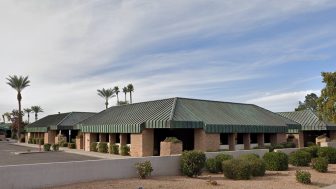
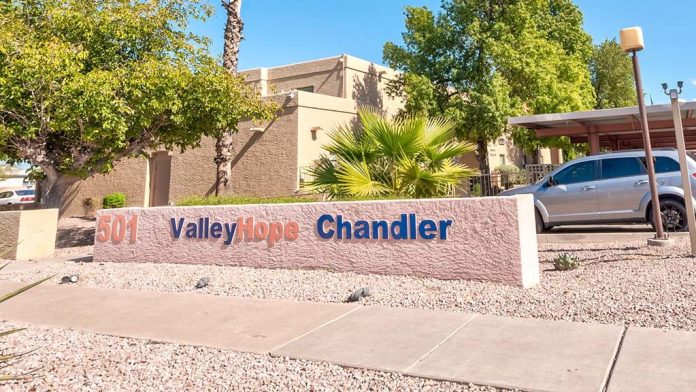
Valley Hope Addiction Treatment and Recovery was a substance abuse facility in Chandler, Arizona. They’re closed now but they provided detox and residential programs, where guests could focus on recovery without outside distractions interfering with treatment.
Their residential program was the most intensive service they offered. It was a structured setting where guests had safe, medically monitored detox. Medication-assisted treatment was available to help lessen withdrawal symptoms and reduce drug cravings. The residents had 24-hour medical care to ensure safety.
Guests attended individual counseling sessions, which could help uncover the root causes of addiction tendencies. They could assist with healthier coping strategies for life’s stressors, recognizing substance use triggers, and learning relapse prevention methods to help avoid temptations.
Small group therapy was included in the program and created an open space where members could share their addiction challenges and experiences in an intimate setting with others who could understand. It also helped reduce isolation, which is typical with substance addiction.
They introduced residents to the 12-step principles, which helped create a sense of accountability and responsibility for their recovery. It also included others with a shared goal of long-term sobriety.
The team assisted guests returning to work and helped with more extensive relapse prevention planning to make transitioning into the community as simple as possible.
Addiction education was available to help residents understand more about the disease and how it affected their health and relationships.
Spiritual care was included in the program to provide a more complete continuum of care. The service also had family therapy available to help loved ones understand more about substance abuse and teach them to set appropriate boundaries for sobriety.
Amenities
Private drug rehab provides a comfortable, secure environment that allows you to focus on doing the work to get your life back on track. Benefits include a higher staff-to-client ratio, increased one-on-one time with therapists and healthcare providers, private rooms for clients, and customized forms of therapy.
Residential drug rehab provides the comforts of home with the therapeutic support needed to successfully recover. Benefits of an inpatient program include increased safety, a higher success rate, and the time and distance given to focus on recovery. Residential drug rehabs are often the preferred method of treatment, as they can be tailored to meet specific needs, offer focused therapeutic care, and provide the necessary tools to sustain recovery.
Recreational therapy uniquely combines therapeutic interventions with an activity, like horse-riding, hiking, wilderness therapy, basketball, tennis, or a full workout. Benefits of recreational therapy include providing a healthy way to work through the emotions of recovery, learning to build and maintain relationships, improving communication skills, and building self-esteem.
In order to maintain a sense of autonomy, many private rehab facilities offer clients the ability to choose their own private rooms. The privacy and personal space ensure that the recovery process is as comfortable as possible.
When used as part of an evidence-based treatment plan, basketball can boost physical and mental health, lead to sharper thinking, and facilitate improved self-esteem. Drug rehabs with a basketball court also place a focus on teamwork and cooperation.
Addiction Treatment Programs
When individuals choose a young adult program in Arizona, they receive multidisciplinary care that addresses all aspects of their lives. Treatment focuses on physical, social, educational, and emotional needs, encompassing both addiction and dual diagnosis treatment.
A rehab adult program in Arizona provides treatment for addiction. Adults (age 18+) participate in various therapies that are designed to break the cycle of substance abuse and teach new coping skills so the individual can maintain a healthy, sober lifestyle.
If you’re struggling with alcohol use disorder, alcohol rehab in Arizona can help. Many treatment options are available to help individuals recover and take steps to create a healthy and fulfilling life. Programs include long-term, short-term, inpatient, and outpatient alcohol rehab.
Men and women often respond differently to addiction and addiction treatment. Men’s rehab in Arizona addresses these differences to provide the most effective recovery treatment for men.
Women’s experiences with addiction can differ greatly from men’s. Women’s rehab in Arizona addresses these differences and provides gender-specific treatment targeted to meet women’s needs.
Individuals who attend opioid rehab in Arizona are provided a safe and comfortable environment where they can focus on sobriety. The goal of treatment is to address issues that drive dependence and help individuals learn how to live independently from opioid use.
Cognitive behavioral therapy in Arizona teaches individuals in addiction treatment to connect their feelings, thoughts, and actions to discover how these impact their recovery. This treatment method is frequently used for the treatment of substance use disorders and co-occurring disorders.
Drug rehab in Arizona is the process of treating individuals who are dependent on a particular addictive drug. Because addiction is complex, this treatment typically includes a variety of interventions that address the many issues involved.
Specialized treatment for older adults is available through elderly rehab in Arizona. These programs offer a full continuum of care that addresses the specific needs of senior adults.
The foundation of rational emotive behavioral therapy in Arizona is the philosophy that beliefs about an event, rather than events themselves, affect emotions. These beliefs drive behaviors, such as substance abuse, which can be changed if the thought process changes.
Veteran’s rehab in Arizona offers specialized treatment options for Veterans who are seeking support for alcohol or drug use disorders. Services range from medical detox, to inpatient care, to outpatient programs.
Levels of Care
Outpatient rehab in Arizona often serves as a transition from inpatient treatment to aftercare programs. It is suitable for those who are coping well in recovery but still need a high level of accountability from counselors and peers.
Rehab aftercare in Arizona helps people in recovery adapt to everyday life once they’ve completed initial rehab treatment. It can include counseling, academic or financial assistance, goal setting, legal advice, and support groups.
Residential or inpatient treatment is the most intensive level of care offered at drug rehabs in Arizona. It involves living at the rehab facility, and they have 24/7 access to medical professionals. A combination of treatment interventions is offered, including therapy and medication management
Drug rehab in Arizona typically begins with detox, which is the process of ridding your body of addictive substances. Medical professionals will customize your detoxification and create a recovery plan that fits you best.
Arizona sober living is a bridge between rehab treatment and independent living. It allows you to live in a supervised, sober environment to help you maintain sobriety during early recovery. You’ll receive peer support through a 12-step program and follow structured house rules that encourage growth toward independence.
Intervention services in Arizona are designed to encourage a loved one to get the treatment they need. Services include professional assistance with staging an intervention, development of a treatment program, and guidance with selection of and admittance to drug rehab in Arizona.
Instead of staying at a drug rehab center in Arizona round-the-clock, partial hospitalization programs (PHPs) are a type of outpatient treatment that allows you to return home at night. PHPs involve many of the same treatment methods used in inpatient settings.
Accreditations
Accepted Insurance