
Margaret Cochran Corbin VA Campus
423 E 23rd St
New York City, NY 10010
 Sponsored
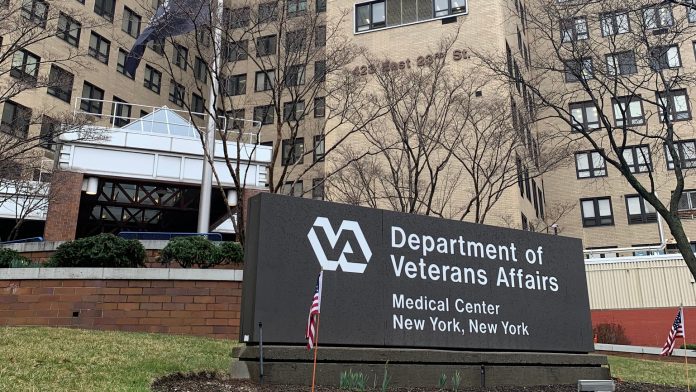
About Margaret Cochran Corbin VA Campus
The Margaret Cochran Corbin VA Campus is part of the Veterans Affairs healthcare network that primarily serves veterans. The campus is in New York, New York, overlooking FDR Drive near the East River. Eligible veterans are fully covered for treatment, and they also accept most major commercial insurance plans, Medicaid, and Medicare.
This center is a full service hospital open around the clock, though some services are not offered 24/7. They offer addiction and mental health services, including inpatient and outpatient treatment. I noticed that they have multilingual services so they’re able to accommodate a diverse clientele. The facility is near public transportation for easy access.
Modern Medical Facility
I noticed that this is a large modern facility with comfortable outpatient clinics and updated patient care areas. The facility is wheelchair accessible and designed to make access easy for clients with disabilities.
A large laboratory and pharmacy are on campus, and individuals have access to specialty psychiatric and medical services. Clients receive trauma informed, evidence based treatment tailored to veterans.
Caregiver Support in New York City
I think many people will appreciate the support offered for caregivers. If you’re caring for a veteran with a serious illness or disability, they can help you take care of yourself.
Caregivers may qualify for many services, including counseling, training, and respite care. Some caregivers are eligible for a stipend and medical coverage, and they’ll connect you with the benefits and services you’re eligible for.
LGBQ+ Veteran Care
The VA strives to offer equitable treatment in a safe environment for veterans in the LGBQ+ community. They do promote the dignity and welfare of all veterans.
This care includes mental health care and substance use care as well as sexually transmitted infection (STI) care and psychosocial assessments. They offer some hormone therapy in limited cases.
Amenities
Private drug rehab provides a comfortable, secure environment that allows you to focus on doing the work to get your life back on track. Benefits include a higher staff-to-client ratio, increased one-on-one time with therapists and healthcare providers, private rooms for clients, and customized forms of therapy.
Residential drug rehab provides the comforts of home with the therapeutic support needed to successfully recover. Benefits of an inpatient program include increased safety, a higher success rate, and the time and distance given to focus on recovery. Residential drug rehabs are often the preferred method of treatment, as they can be tailored to meet specific needs, offer focused therapeutic care, and provide the necessary tools to sustain recovery.
In order to maintain a sense of autonomy, many private rehab facilities offer clients the ability to choose their own private rooms. The privacy and personal space ensure that the recovery process is as comfortable as possible.
Drug and alcohol rehabs with a river view can help to decrease anxiety, relieve depression, and improve concentration. Being in nature can even provide health benefits for some people, including lowering blood pressure.
Addiction Treatment Programs
While at a young adult program in New York, young people can participate in activities and therapy sessions that cater to their age bracket. They can also form relationships with other young adults for mutual support.
A quality adult program in New York provides a combination of medical, mental, and emotional support to treat the whole individual. Various methods are used to help adults achieve and maintain sobriety.
To address the full range of issues involved in alcohol use disorder, an alcohol rehab in New York often incorporates a variety of treatment methods. Physical activity, nutrition, psychotherapy, and support groups are common aspects of treatment.
Some men benefit most from men’s rehab in New York. These programs understand the unique challenges that men face when struggling with addiction, and they offer personalized treatment to address these challenges.
Men and women face different issues when it comes to addiction and recovery. Women’s rehab in New York offers treatment approaches that address life issues that are specific to women.
There are many options available for opioid rehab in New York. Treatment programs include detox, inpatient rehab, outpatient rehab, or intensive outpatient programs (IOPs). Consider the severity of your addiction, how long you’ve been addicted, and personal history to determine which type of program is best for you.
Cognitive behavioral therapy in New York emphasizes how thoughts affect mood. It is a goal-oriented method that teaches participants how to address dysfunctional thoughts and underlying beliefs that can lead to substance abuse and addiction.
During elderly rehab in New York, you’ll participate in a variety of therapies, including individual, group, and family. Common methods include cognitive behavioral therapy, 12-step methods, and case management, all with a focus on age-specific needs.
Men and women face different issues when it comes to addiction and recovery. Women’s rehab in New York offers treatment approaches that address life issues that are specific to women.
Veteran’s rehab in New York helps Veterans quit using alcohol and drugs and reduce the risk of relapse with specialized treatment. Specialists help Veterans adjust to life outside the military, address previous trauma, and live a sober lifestyle.
Rational emotive behavioral therapy in New York is often used to treat substance use disorders as well as a variety of other mental health and behavioral disorders. It focuses on the present, achieving goals, and overcoming hardship.
Fitness therapy is an evidence-based complementary approach to addiction recovery and mental health care. Based on mounting scientific evidence of the benefits of physical activity in improving mood, enhancing clients’ sense of wellbeing, and decreasing depression and anxiety, fitness therapy encompasses a wide spectrum of intensities, from gentle yoga, qigong, and tai chi to weight training, kickboxing, and other highly physical activities.
Assertive Community Treatment (ACT) is an integrative, community-based care strategy designed to address the needs of persons with severe and/or complex mental illness or behavioral disorders. ACT is typically provided by a multidisciplinary team of medical and mental health care providers, social workers, therapists, and other specialists, including addiction recovery professionals. These services are frequently provided in the home and community to clients in crisis, those who are clinically unstable, and those who are unable or unwilling to travel to a hospital or clinic for in-person treatment.
Levels of Care
For those who require accountability but less intensive oversight, outpatient rehab in New York is a good option. During this treatment, you meet regularly with a counselor and attend support group meetings, for accountability and encouragement. This may last for a few weeks or months, based on your recovery journey.
Mental health disorders that co-occur with substance abuse disorders often cause relapse. For successful recovery, both disorders must be treated, with dual diagnosis treatment in New York. Common methods include cognitive-behavioral therapy, medication management, and counseling.
Once rehab is complete, aftercare rehab in New York steps in to prevent relapse. This program gives you access to resources that reduce stress and help you successfully navigate challenges. Studies show that people who take advantage of these resources are more likely to maintain long-term recovery.
Inpatient drug rehab in New York can last 28 to 90 days, depending on the program. During that time, you’ll live at the rehab facility and receive various treatment methods including individual and group therapy.
The first step toward a drug-free future is detox in New York. This is the process of slowly and safely ridding your body of all addictive substances, while under 24/7 supervision by professionals.
A New York sober living program is appropriate for those who want to stop using drugs or alcohol but don’t feel ready to do so on their own. This communal environment allows you to live with others who are in recovery, for mutual support and accountability. A structured schedule and strict house policies help you strengthen your recovery skills, until you are strong enough to live independently.
Intervention services are a valuable addiction treatment tool for those seeking to get a loved one started on a recovery journey. Professional intervention staff can help plan and facilitate interventions, provide access to key resources, and assist in developing a personalized treatment plan for drug rehab in New York.
As an intensive form of outpatient rehab, partial hospitalization programs (PHPs) in New York offer many of the services associated with inpatient addiction treatment programs, but you return home during non-treatment times. PHPs give you a balance between clinical supervision and personal responsibility.
Accreditations
Contact Information


 Sponsored
Nearby Treatment Centers
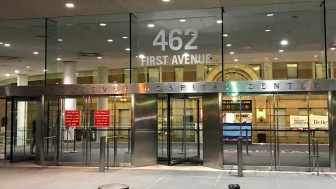
462 1st Ave
21st Floor
New York City, NY 10016

423 E 23rd St
New York City, NY 10010
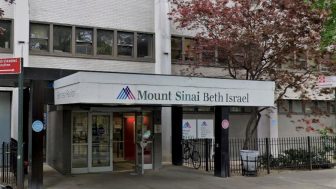
9 Nathan D Perlman Place
New York City, NY 10003
462 1st Avenue
New York City, NY 10016
