James J. Howard Outpatient Clinic
Closed: Please See Nearby Facilities
Brick, New Jersey
 Sponsored
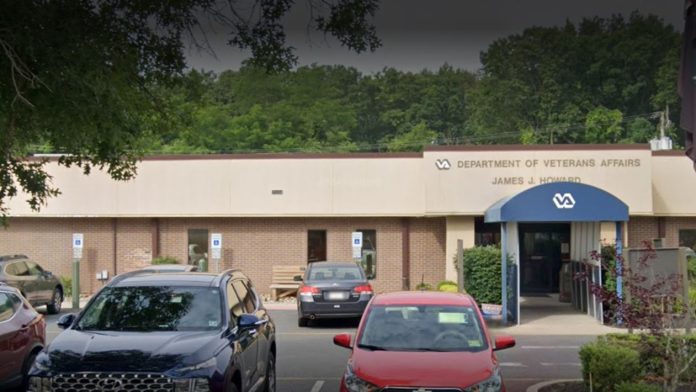
About James J. Howard Outpatient Clinic
The James J Howard Clinic was an outpatient Veterans Affairs (VA) Clinic in Brick Township, New Jersey. This location formed part of the New Jersey VA Health Care Network and was one of the locations from which veterans and certain active duty personnel could access outpatient substance use disorder treatment services. However, they closed in 2024.
Providing Specialized Treatments for Veterans
What I like about the care they offered at the James J. Howard Clinic is, like all other VA facilities with drug programs, their treatments and approaches were designed specifically with veterans’ needs in mind. For example, veterans in their program had the option to participate only in individual therapy sessions, never having to join a group. This helped keep treatment as confidential and private as possible.
Another way in which these programs were better for veterans was that they were equipped to help with common co-existing conditions faced by military personnel, including trauma, anxiety, depression and other issues that could result from service. When necessary, they could also help veterans deal with practical difficulties such as homelessness and unemployment.
Supportive and Friendly Service
The team at the James J Howard Clinic was reportedly incredibly professional and friendly. Although this facility is now closed, New Jersey’s VA system still provides drug treatments at the East Orange and Lyons medical centers. There is also another clinic that opened in Toms River to replace this one.
Amenities
Private drug rehab provides a comfortable, secure environment that allows you to focus on doing the work to get your life back on track. Benefits include a higher staff-to-client ratio, increased one-on-one time with therapists and healthcare providers, private rooms for clients, and customized forms of therapy.
Addiction Treatment Programs
There are many benefits to a young adult program in New Jersey. These programs offer a more comfortable environment that helps young adults feel more at home. The peer support provided also helps participants develop healthy relationships for mutual support.
An adult program in New Jersey can take place in different settings. Individuals seeking treatment for addiction can choose from inpatient, outpatient, and sober living homes, which provide treatment at different levels of intensity.
Gender-specific rehab programs offer a solution to the ways that addiction can affect men and women differently. Men’s rehab in New Jersey focuses on treatments that are most beneficial for men.
Women’s rehab in New Jersey is ideal for women who are uncomfortable in a co-ed treatment environment. Women’s rehab provides a safe and caring setting where they can focus on their treatment and connect with other women who understand.
During cognitive behavioral therapy in New Jersey, participants develop and learn to implement healthy coping skills. The focus of this psychotherapy method is to change negative thought patterns to positively affect behaviors.
Drug rehab in New Jersey is the process of addressing the complex issues involved with addiction. Challenges are identified and addressed through individual and group counseling. Participants learn how to manage these issues without the use of substances.
For older adults, elderly rehab in New Jersey provides addiction treatment tailored to their needs. These substance abuse programs offer staff who are experienced with age-related issues and can provide safe, relevant treatment.
Women’s rehab in New Jersey is ideal for women who are uncomfortable in a co-ed treatment environment. Women’s rehab provides a safe and caring setting where they can focus on their treatment and connect with other women who understand.
Veteran’s rehab in New Jersey addresses common challenges of military personnel who are facing addiction. Treatment may include medications, training in how to handle relapse triggers, development of coping skills, and connections to support groups.
Through the use of rational emotive behavioral therapy in New Jersey, addiction counselors can help individuals improve their emotional wellness, strengthen their relationships with others, and reduce the severity and frequency of negative emotions. These benefits help decrease substance use and encourage recovery.
Levels of Care
New Jersey outpatient therapy offers a next-step after inpatient treatment. This flexible program is tailored to meet each person’s recovery needs as they step back into life. It includes regular sessions with a counselor and support group, for accountability and continued relapse prevention.
New Jersey aftercare rehab services help those in recovery adapt to their new, sober lives. This begins after initial rehab treatment ends and can last for up to a year or more. Typical services include support groups, counseling, life coaching, and financial guidance.
If you have a co-occurring mental health disorder and substance abuse disorder, both must be treated in order for you to recover. Dual diagnosis treatment in New Jersey specializes in this approach. Specialists in both fields will provide the tools and resources you need for recovery.