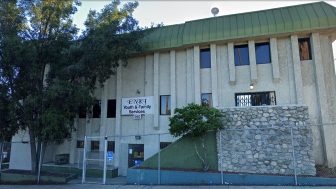
Downtown LA VA Clinic
351 East Temple Street
Los Angeles, CA 90012
 Sponsored
About Downtown LA VA Clinic
The Downtown LA VA Clinic, also known as the Los Angeles Ambulatory Care Center, is a U.S. Department of Veterans Affairs healthcare facility providing inclusive outpatient services to veterans in downtown Los Angeles.
The facility's Substance Use Disorder Clinic offers individual and family counseling, group therapy and medically supervised outpatient detox services. The clinic embraces a harm reduction philosophy, meeting veterans where they are in their recovery journey without requiring abstinence to access care.
Substance Use Disorder Treatments for Veterans
The Substance Use Disorder Clinic specializes in compassionate, trauma-informed addiction treatment designed specifically for veterans. I've read they accept walk-ins, Monday through Friday between 6:30 a.m. and 4:00 p.m.
Treatment combines evidence-based therapies including cognitive behavioral therapy, motivational interviewing, contingency management, and trauma-informed counseling.
These vital sessions address underlying issues related to military service, trauma, and co-occurring conditions, with practical skills and peer support to promote lasting recovery and wellness.
Comprehensive Medication-Assisted Treatment Options
The clinic provides all FDA-approved medications for substance use disorders, including a specialized methadone program alongside buprenorphine and naltrexone for opioid use disorder. Medications for alcohol and stimulant use, including disulfiram and acamprosate are also available.
I've found the facility integrates counseling with wraparound support services in increase wellness longterm.
VA Benefits and Care at the Downtown Los Angeles VA Clinic
The facility is Joint Commission accredited and offers free valet parking for veterans and caregivers.
Services are covered through VA health care benefits for eligible veterans, with federal funding and self-payment options available.
Amenities
Private drug rehab provides a comfortable, secure environment that allows you to focus on doing the work to get your life back on track. Benefits include a higher staff-to-client ratio, increased one-on-one time with therapists and healthcare providers, private rooms for clients, and customized forms of therapy.
Transportation services are designed to ensure your addiction treatment begins and ends successfully by offering free transportation to the rehab facility, to and from your appointments during rehab, and back home upon program completion.
Addiction treatment in the metro area benefits clients by offering seamless connections from the city, around the state, and those seeking out-of-state treatment. Another benefit of attending a metro area drug rehab is that you’re close to major airports and ground transportation services.
Recreational therapy uniquely combines therapeutic interventions with an activity, like horse-riding, hiking, wilderness therapy, basketball, tennis, or a full workout. Benefits of recreational therapy include providing a healthy way to work through the emotions of recovery, learning to build and maintain relationships, improving communication skills, and building self-esteem.
Addiction Treatment Programs
Typically, a young adult program in California can guide individuals from detox, through initial treatment, and extends to aftercare. Treatment gives young adults what they need to reset their lives and move to the next stage of life free from addiction.
An adult program in California uses various therapeutic methods to treat a person who is dependent on an addictive substance. Individuals aged 18 and older are eligible for treatment, which focuses on breaking the cycle of addiction and learning how to maintain sober living.
Alcohol rehab in California provides professional treatment to guide participants through each step of recovery. Programs offer a support system to walk you through challenges and celebrate victories with you, from detox to long-term sobriety.
Gender-specific addiction treatment programs may be more effective in treating men because they focus on unique needs of males. Men’s rehab in California is designed to help men process emotions and cope with stress in a judgment-free environment.
Women’s rehab in California provides a safe environment where women can work through addiction challenges surrounded by their gender peers. This often creates an environment that is more conducive to recovery.
For those who are struggling with opioid use disorder, help is available at opioid rehab in California. This complex addiction can be treated through a combination of evidence-based therapies and medication assisted treatment.
When a person is struggling with addiction, their actions and emotions may not be rational. Cognitive behavioral therapy in California helps individuals understand better why they feel and act certain ways and how those emotions and actions can lead to substance abuse.
Seniors face unique challenges that may contribute to substance use disorder and co-occurring disorders. Elderly rehab in California is designed to address these challenges to provide relevant and safe treatment for seniors.
The incidence of substance abuse and addiction is higher among the LBGTQ community. That’s why LBGTQ-friendly rehab in California is available, to offer specialized treatment that addresses the unique needs of individuals in this demographic.
Veterans often face unique challenges from combat and military deployment. Veteran’s rehab in California addresses these issues as part of a comprehensive addiction treatment program.
EMDR Therapy is a neurobiological treatment modality used to address trauma disorders and related mental and behavioral health challenges. Short for eye movement desensitization and reprocessing, EMDR is designed to help clients cope with distressing memories and emotions, including fear, sadness, and anger. EMDR may help clients in addiction recovery manage the psychological and emotional triggers that contribute to substance misuse and/or addiction relapse.
Animal & equine therapy are evidence-based complementary therapies drawing on the emotional, psychological, and physiological benefits of regular contact with animals. Addiction recovery programs may incorporate the care of therapy dogs, cats, horses, and other animals into their treatment model to support clients’ development of recovery-focused life skills, including personal responsibility, time management, and empathy. Contact with therapy animals may reduce stress, enhance mood, decrease depression and anxiety, and increase clients’ self-esteem and sense of wellbeing.
Assertive Community Treatment (ACT) is an integrative, community-based care strategy designed to address the needs of persons with severe and/or complex mental illness or behavioral disorders. ACT is typically provided by a multidisciplinary team of medical and mental health care providers, social workers, therapists, and other specialists, including addiction recovery professionals. These services are frequently provided in the home and community to clients in crisis, those who are clinically unstable, and those who are unable or unwilling to travel to a hospital or clinic for in-person treatment.
Levels of Care
When you choose outpatient rehab in California, you will meet with a counselor and attend support group meetings. The focus will be on restructuring attitudes and thoughts to reduce cravings and develop skills to prevent relapse. The length of time in outpatient rehab varies by individual, based on their recovery needs.
When you have a co-occurring disorder, it is essential to treat both your addiction and the mental health disorder. California dual diagnosis treatment provides this type of multidisciplinary approach, for improved recovery outcomes.
Community support and relationship-building are key elements of aftercare rehab in California. You’ll receive recovery coaching, social support, and mentors to help you maintain sobriety after completing initial rehab treatment. This support will continue as long as you need it, which could be weeks or more than a year.
Intervention services in California provide the support you need to encourage a loved one to make wise recovery decisions. Professionals will help you work with your loved one to develop an intervention plan and get him or her started on their recovery journey.
Accreditations
Contact Information


 Sponsored