Red Pine Residential Treatment
Box 309 550 S 6777 E
Fort Duchesne, UT 84026
 Sponsored
About Red Pine Residential Treatment
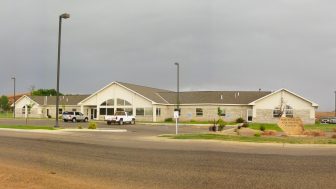
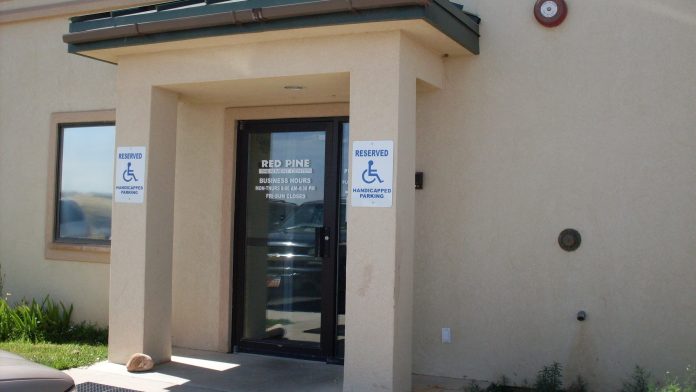
Red Pine is a 20-bed residential substance use recovery program for adult men and women in Fort Duchesne, Utah. This program serves individuals from diverse backgrounds with priority services offered to Ute Tribal members of the Uintah and Ouray Reservation.
The facility is located a short walk southeast of the Ute Tribal Headquarters and the Fort Duchesne Historic Marker, and just over a mile south of the Bottle Hollow Reservoir. This blend of natural beauty and cultural attraction fosters a calming and grounded atmosphere that supports reflection, connection and emotional healing. The program supports individuals with co-occurring substance use and mental health conditions.
Accessible Care for Tribal Members and Fort Duchesne Residents
Individuals who provide proof of enrollment with the Ute Indian Tribe are not charged any fees. I really appreciate this, as it ensures Tribal Members can access care without financial barriers standing in the way of their recovery. For Non-Tribal Members, the fee is $100.00 per day over a 65-day session.
However, you may be eligible for one of four scholarships provided by the Ute Tribe to support participation in this program.
These scholarships cover all aspects of the program from transportation, rooms and board and basic toiletries to clinical services, educational supplies and case management. Priority is given to Native
American applicants with remaining spots offered on a first-come and first-served basis to those who submit completed application packets. Red Pine accepts referrals from the criminal justice system, including the courts, probation offices and the Department of Children and Family Services (DCFS).
Holistic and Culturally-Focused Care
I appreciate that Red Pine adopts a whole-person recovery approach that supports healing across your mental, physical, emotional and spiritual wellbeing. Your personalized recovery plan, developed after intake evaluation, will support all these aspects to guide you toward healing and wellness. Daily programming includes therapy sessions that may incorporate proven methods like Moral Reconation Therapy (MRT) to support behavioral change and personal growth.
You’ll also benefit from traditional healing practices such as Sweat Lodge Ceremonies, Medicine Wheel teachings and the Red Road philosophy. This helps you reconnect with your cultural identity, restore balance and promote deeper healing on your recovery journey.
In addition, you’ll attend 12-step meetings of AA or NA to build supportive connections and strengthen your commitment to sobriety. Family involvement is included to improve communication and rebuild trust with your loved one impacted by your substance dependence.
You’ll also have time for recreational and fitness activities to boost physical health, reduce stress and build a balanced lifestyle. A case manager will assist you in navigating personal needs like permanent housing, employment and medical care as you transition to independent living in the real world. They’ll also link you to community resources for ongoing support to ensure long-term stability as you heal.
Amenities
Private drug rehab provides a comfortable, secure environment that allows you to focus on doing the work to get your life back on track. Benefits include a higher staff-to-client ratio, increased one-on-one time with therapists and healthcare providers, private rooms for clients, and customized forms of therapy.
Residential drug rehab provides the comforts of home with the therapeutic support needed to successfully recover. Benefits of an inpatient program include increased safety, a higher success rate, and the time and distance given to focus on recovery. Residential drug rehabs are often the preferred method of treatment, as they can be tailored to meet specific needs, offer focused therapeutic care, and provide the necessary tools to sustain recovery.
In order to maintain a sense of autonomy, many private rehab facilities offer clients the ability to choose their own private rooms. The privacy and personal space ensure that the recovery process is as comfortable as possible.
Desert View amenities provide Desert drug rehabilitation facilities are simply rehab facilities that are located in desert areas such as Arizona or New Mexico. People who live in other areas of the country may want to attend a desert view rehab because they provide a beautiful sense of isolation that helps to protect anonymity or gives them a sense of peace.
Addiction Treatment Programs
A young adult program in Utah offers comprehensive treatment to prepare young adults to be successful in life. Treatment addresses challenges unique to this age bracket (teens and twenties), and provides activities and therapies tailored for young adults.
An adult program in Utah offers treatment services for those seeking help with drug or alcohol addiction. Methods vary, but most programs use a combination of counseling, medical treatment, and therapeutic activities to help participants achieve recovery.
For many people, alcohol rehab in Utah is an essential first step on their journey of recovery. These programs provide treatment and support that make it possible to address issues of addiction and make changes that put individuals on the path to sobriety.
When individuals attend men’s rehab in Utah, they receive treatment focused on the experiences of men. For example, this treatment removes the stigma of asking for help or looking weak. This helps men move forward with recovery.
Women’s rehab in Utah focuses on empowering women with self-confidence and support to achieve long-term sobriety. These programs allow gender-related issues to be handled among other women, which is more comfortable for many participants.
During opioid rehab in Utah, you will develop healthy coping skills, gain support for your recovery, and learn how to prevent relapse. This treatment program will allow you to overcome addiction and maintain a healthy, sober lifestyle.
Cognitive behavioral therapy in Utah teaches individuals how to calm their minds and face challenges instead of avoid them. This treatment method empowers people to manage feelings and situations that have led to substance abuse in the past.
When you enter a drug rehab in Utah, you start a journey toward recovery. This usually involves four stages: treatment initiation, early abstinence, maintaining abstinence, and advanced recovery. Addiction experts are available to help you every step of the way with personalized treatment and support.
Rational emotive behavioral therapy in Utah can be applied to any form of substance abuse treatment. It is often used in dual diagnosis treatment, to address both addiction and associated issues such as anxiety or depression.
Assertive Community Treatment (ACT) is an integrative, community-based care strategy designed to address the needs of persons with severe and/or complex mental illness or behavioral disorders. ACT is typically provided by a multidisciplinary team of medical and mental health care providers, social workers, therapists, and other specialists, including addiction recovery professionals. These services are frequently provided in the home and community to clients in crisis, those who are clinically unstable, and those who are unable or unwilling to travel to a hospital or clinic for in-person treatment.
Levels of Care
Utah outpatient rehab allows you to remain at home during treatment. You’ll visit a counselor’s office or treatment center a couple of times per week for sessions. You’ll also attend 12-step group meetings. This support will provide accountability and help you continue to develop strategies to prevent relapse.
If you meet the criteria for both substance abuse disorder and a mental health disorder, this is called dual diagnosis. For the best recovery outcomes, you need dual diagnosis treatment in Utah. This type of treatment involves specialists in both fields, to address all your recovery needs.
For successful long-term recovery, consider staying actively engaged in Utah aftercare rehab for at least a year. During this initial time after treatment, you’ll face many challenges and temptations. Aftercare gives you the resources and support you need to maintain sobriety.
Depending on the program, inpatient rehab in Utah can last from four to 12 weeks. It involves living at the facility under 24/7 supervision. Typical treatment methods include individual, group, and recreational therapy as well as medication.
The average length of stay in a Utah sober living home is five to eight months. However, you can stay as long as you want if you continue to follow the house rules. This structured living environment provides a stable place to strengthen your recovery skills before moving out on your own.
Before drug rehab in Utah can begin, your addicted loved one may require professional intervention services. This valuable treatment tool helps family members with the planning and execution of an intervention, provides educational resources, and guides your loved one to embrace a treatment plan that meets their recovery needs.
Accreditations
Contact Information


 Sponsored