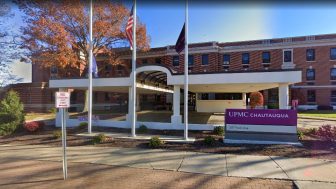
UPMC Chautauqua
51 Glasgow Avenue Jamestown, NY 14701
 Sponsored
About UPMC Chautauqua
UPMC Chautauqua in Jamestown, New York is a comprehensive addiction treatment center providing detox, residential treatment and outpatient services for children, teens, adults and families throughout southwestern New York.
This 277 bed nonprofit regional hospital integrates medication assisted treatment or MAT with evidence based behavioral therapies across all levels of care. Their trauma informed philosophy emphasizes whole-person healing through individualized discharge planning and community reintegration support.
Why People Choose UPMC Chautauqua
- Complete continuum of care: 15 bed inpatient chemical dependency unit with 24 hour detox, long term residential treatment, and outpatient addiction medicine in Jamestown and Dunkirk
- Dual diagnosis specialization: Integrated treatment for adults with co-occurring mental health and substance use disorders
- Evidence based therapies: Cognitive behavioral therapy (CBT), dialectical behavior therapy (DBT), motivational interviewing, mindfulness, and trauma informed approaches
- Integrated MAT: Medication assisted treatment using buprenorphine and naltrexone available across inpatient, residential, and outpatient programs
- Peer and family support: Certified Peer Advocates in long term recovery provide mentorship, while family therapy sessions help rebuild relationships
- Holistic life skills: Nutritional education, vocational assessment, job readiness training, and meal prep groups prepare clients for independent living
- Spanish language services: Outpatient programming accessible to Spanish speaking patients in the Jamestown and Dunkirk communities
- Flexible payment options: Accepts Medicaid, Medicare and private insurance, and offers financial assistance with sliding scale discounts based on income
- Regional prominence: UPMC Chautauqua serves as the largest nonprofit hospital in the area with Joint Commission accreditation across all addiction programs
Take The First Step Toward Recovery
Getting started typically begins with a call to schedule an assessment where the admissions team reviews insurance, Medicaid, Medicare, or financial assistance eligibility. Psychiatrists, psychiatric physician assistants, nurse practitioners, and licensed social workers collaborate to match individuals to the appropriate level of care and develop personalized treatment plans. Staff explain payment options, including sliding-scale fees, and coordinate seamless transitions between inpatient detox, residential, and outpatient counseling.
Amenities
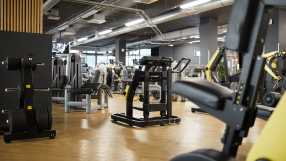
Gym
When paired with cognitive-behavioral therapy, exercise can be an effective tool for overcoming addiction. Dru...g rehabs with a gym offer clients healthy ways to increase energy levels, balance the body’s stress hormone levels, and aid in the brain’s healing process.
Lakeside
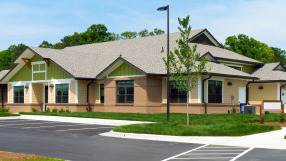
Private Rehab
Private drug rehab provides a comfortable, secure environment that allows you to focus on doing the work to ge...t your life back on track. Benefits include a higher staff-to-client ratio, increased one-on-one time with therapists and healthcare providers, private rooms for clients, and customized forms of therapy.
Private Rooms
In order to maintain a sense of autonomy, many private rehab facilities offer clients the ability to choose th...eir own private rooms. The privacy and personal space ensure that the recovery process is as comfortable as possible.
Rec Room & Activities
Recreational therapy uniquely combines therapeutic interventions with an activity, like horse-riding, hiking, ...wilderness therapy, basketball, tennis, or a full workout. Benefits of recreational therapy include providing a healthy way to work through the emotions of recovery, learning to build and maintain relationships, improving communication skills, and building self-esteem.
Residential Setting
Residential drug rehab provides the comforts of home with the therapeutic support needed to successfully recov...er. Benefits of an inpatient program include increased safety, a higher success rate, and the time and distance given to focus on recovery. Residential drug rehabs are often the preferred method of treatment, as they can be tailored to meet specific needs, offer focused therapeutic care, and provide the necessary tools to sustain recovery.Addiction Treatment Programs
Adult Program
A quality adult program in New York provides a combination of medical, mental, and emotional support to treat the whole individual. Various methods are used to help adults achieve and maintain sobriety.Alcoholism
To address the full range of issues involved in alcohol use disorder, an alcohol rehab in New York often incorporates a variety of treatment methods. Physical activity, nutrition, psychotherapy, and support groups are common aspects of treatment.Opioid Treatment
There are many options available for opioid rehab in New York. Treatment programs include detox, inpatient rehab, outpatient rehab, or intensive outpatient programs (IOPs). Consider the severity of your addiction, how long you’ve been addicted, and personal history to determine which type of program is best for you.Cognitive Behavioral Therapy (CBT)
Cognitive behavioral therapy in New York emphasizes how thoughts affect mood. It is a goal-oriented method that teaches participants how to address dysfunctional thoughts and underlying beliefs that can lead to substance abuse and addiction.Drug Rehab
When you choose drug rehab in New York, you’ll participate in a variety of treatments that are designed to help you live a drug-free lifestyle. Common methods of treatment include group, individual, and family counseling, medication management, nutrition, exercise, and management of co-occurring mental health disorders.Rehab For Veterans
Veteran’s rehab in New York helps Veterans quit using alcohol and drugs and reduce the risk of relapse with specialized treatment. Specialists help Veterans adjust to life outside the military, address previous trauma, and live a sober lifestyle.12-Step Program
12-Step Programs are among the most popular and proven addiction recovery programs in the world. They are predicated on a lifelong recovery model that prioritizes whole-person healing and integrates the physical, psychological, emotional, social, and spiritual aspects of recovery. Programs are free, anonymous, open to the public, and community-based and are centered on group support, one-on-one peer coaching, and recovery education.Levels of Care
Inpatient Rehab
Inpatient drug rehab in New York can last 28 to 90 days, depending on the program. During that time, you’ll ...live at the rehab facility and receive various treatment methods including individual and group therapy.Detox & MAT
The first step toward a drug-free future is detox in New York. This is the process of slowly and safely riddin...g your body of all addictive substances, while under 24/7 supervision by professionals.Outpatient Rehab
For those who require accountability but less intensive oversight, outpatient rehab in New York is a good opti...on. During this treatment, you meet regularly with a counselor and attend support group meetings, for accountability and encouragement. This may last for a few weeks or months, based on your recovery journey.Dual Diagnosis & Mental Health
Mental health disorders that co-occur with substance abuse disorders often cause relapse. For successful recov...ery, both disorders must be treated, with dual diagnosis treatment in New York. Common methods include cognitive-behavioral therapy, medication management, and counseling.Partial Hospitalization Program (PHP)
As an intensive form of outpatient rehab, partial hospitalization programs (PHPs) in New York offer many of th...e services associated with inpatient addiction treatment programs, but you return home during non-treatment times. PHPs give you a balance between clinical supervision and personal responsibility.Intensive Outpatient Program (IOP)
Aftercare & Alumni Program
Once rehab is complete, aftercare rehab in New York steps in to prevent relapse. This program gives you access... to resources that reduce stress and help you successfully navigate challenges. Studies show that people who take advantage of these resources are more likely to maintain long-term recovery.Accreditations

Joint Commission

SAMHSA
State License
Insurance
 Financial Aid
If you require assistance with paying for alcohol and drug rehab in New York, you may be eligible for financia...l aid. Financial assistance options include grants, scholarships, non-profit programs, personal funding, and health insurance programs to help you manage the expense of substance abuse treatment.
 Medicaid Accepted
You may be eligible for Medicaid coverage to help pay for alcohol and drug rehab in New York. Medicaid coverag...e may vary, but it may cover the cost of detox, inpatient rehab, and other levels of care.
 Medicare Accepted
If you have Medicaid, you may have coverage options available to assist with the cost of alcohol and drug reha...b in New York. The amount of coverage will depend on many things, including whether you are seeking inpatient or outpatient treatment for substance abuse.
 TRICARE
Administered by the Department of Defense, TRICARE offers comprehensive military health insurance plans for ac...tive and retired military members and their families. Similar to PPO programs offered by private insurance companies, TRICARE covers multiple levels of care for addiction treatment, including detox, inpatient rehab, and outpatient services.
 Private Insurance
If you have private insurance, you may be able to use it to help pay for alcohol and drug rehab in New York. T...he amount covered will depend on your policy and whether the treatment center is in-network or out-of-network. You may be left with some costs like a co-payment, or co-insurance. Check with your insurer for more information.
 Self-Pay Options
You have the option to pay for alcohol and drug rehab treatment out-of-pocket in New York, known as self-pay o...r private pay. This gives you control over the cost of your recovery journey and access to all levels of care, including detox, inpatient rehab, and more.Contact UPMC Chautauqua


 Sponsored