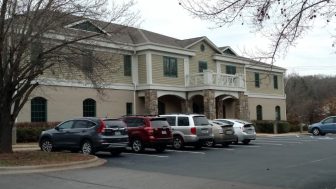
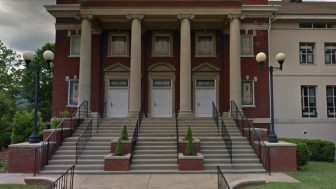
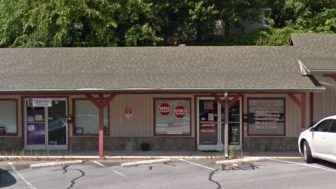
Unity Healing Center
448 Sequoyah Trail Drive Cherokee
Cherokee, NC 28719
 Sponsored
About Unity Healing Center
Unity Healing Center (UHC) is a residential treatment program designed for adolescent youth that provides behavioral health and substance use disorder treatment in Cherokee, North Carolina. Because it’s geared towards school aged children, there is a central academic component to this program which ensures that participants don’t fall behind in their studies. UCH accepts ITU funds, Tricare, private insurance, Medicaid and Medicare, and even offers financial assistance based on demonstrated need.
UHC is part of the Indian Health Service (IHS) department and participation is limited to people who are enrolled members of federally recognized tribes. The facility is centrally located near the Oconaluftee Indian Village historical reenactment replica, Cherokee Veterans Park, and Oconaluftee Park.
An Adolescent Residential Program
You will stay in a 16 bed facility that offers 80 to 90 day stays for participants ranging in age from 13 to 17 years old. I like that this program also offers medical and dental care to ensure any medical issues contributing to substance use are taken care of.
Additionally, I noticed clients have access to spiritual and cultural programs centered on Native American traditions. While standard options like individual and group counseling exist, there’s also adventure based counseling and family counseling. Adventure based counseling leverages outdoor activities as a method for building teamwork, self esteem and trust.
Effective Aftercare
UHC strives to make sure clients can sustain long term sobriety once they’ve completed the program. This is why they provide continuing and follow up care to make sure you’re staying on the right track with your recovery.
Addiction Treatment Programs
Alcohol rehab in North Carolina is a course of treatments that helps participants overcome alcohol dependency. Treatments address physical, mental, and emotional aspects of substance use disorder and help the individual develop healthy habits for long-term recovery.
Many therapists use cognitive behavioral therapy in North Carolina to treat substance use disorders. This goal-oriented method addresses maladaptive thinking and related beliefs that affect behaviors and can lead to addiction.
Women’s rehab in North Carolina allows women to receive gender-specific treatment tailored to their needs. Programs are available for alcohol, heroin, prescription drugs, benzos, and any other addictive substances, as well as co-occurring disorders.
Men’s rehab in North Carolina offers customized treatment for men. These programs provide personalized treatment that is designed with the unique needs of men in mind.
To overcome opioid addiction, attend opioid rehab in North Carolina. Treatment takes place in inpatient or outpatient care, using a variety of therapies, medications, and other helpful interventions. Length of treatment caries, typically lasting 30, 60, or 90 days.
The goal of rational emotive behavioral therapy in North Carolina is to help you develop healthy emotional, behavioral, and cognitive patterns so you can increase your quality of life and achieve sobriety goals. This is accomplished by increasing healthy, rational beliefs.
Women’s rehab in North Carolina allows women to receive gender-specific treatment tailored to their needs. Programs are available for alcohol, heroin, prescription drugs, benzos, and any other addictive substances, as well as co-occurring disorders.
When individuals participate in a young adult program in North Carolina, they feel more at ease in a setting that is age-appropriate. Activities, therapies, and aesthetics are all tailored for this age group, so participants can feel comfortable and are more likely to complete the program.
Levels of Care
When you choose inpatient drug rehab in North Carolina, you’ll live at a rehab facility for 28 to 90 days, depending on the program. Typical methods of treatment include group and individual therapy and family counseling.
Some of the most common co-occurring mental health disorders include anxiety, depression, and eating disorders. When these are present alongside substance use disorder, dual diagnosis treatment in North Carolina is necessary to address both conditions.
Many people find that a few months in North Carolina sober living after rehab treatment gives them a good foundation for long-term recovery. The average stay at a sober living home is five to eight months, but you get to decide when you are ready to live on your own.
Contact Information


 Sponsored