
UChicago Medicine AdventHealth GlenOaks School Pheasant Ridge Campus
43 E. Stevenson Dr.
Glendale Heights, IL 60139
 Sponsored
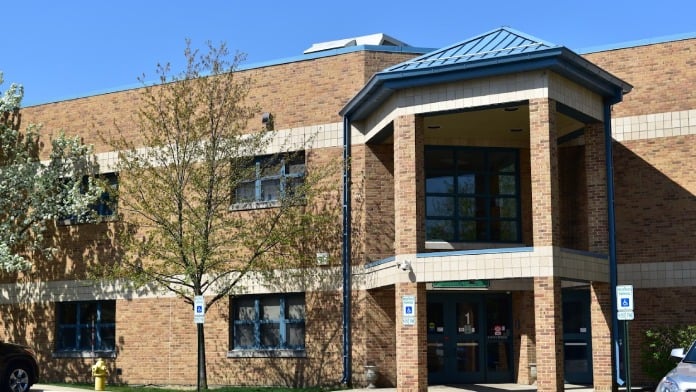
About UChicago Medicine AdventHealth GlenOaks School Pheasant Ridge Campus
UChicago Medicine AdventHealth GlenOaks School Pheasant Ridge Campus in Glendale Heights, Illinois provides a specialized therapeutic school and transition program for youth and young adults.
This facility offers academic and therapeutic services for grades 3 to 12. Its flagship Transition Program is central to its mission of supporting students with special needs. This program is uniquely designed to help young adults build a foundation for independence and long-term success.
The Transition Program: A Bridge to Adulthood
The Transition Program serves young adults aged 17 to 22. It focuses on real world skill development for those with behavioral emotional disorders, autism spectrum disorder and secondary learning disabilities.
I found that students engage in part-time, five hour block sessions with a clinical team including special education teachers, behavioral health counselors and therapists. This supportive environment is structured to foster growth with many families noting the staff’s dedicated approach.
Participants focus on employment, volunteering and life skills training all enriched by social emotional learning and self advocacy coaching. Therapeutic approaches are integrated throughout including individual and group counseling as well as expressive therapies like art and music to support holistic development.
The Path to Independence: A Step-by-Step Guide
- Begin with a comprehensive assessment to align services with the student’s existing Individualized Education Plan (IEP).
- Engage in a personalized schedule within the Transition Program focusing on either morning or mid day sessions.
- Participate in active skill building through a blend of academic instruction, therapeutic groups and real world activities.
- Develop crucial life skills and social emotional self-advocacy for community reintegration and independence.
Additional Services and Funding
I think it’s helpful that the campus offers full day academic instruction for grades 3 to 12, expressive therapies and virtual classroom options. Access to these services is typically facilitated through referrals from public school districts with funding handled via special education channels, ensuring families can focus on their student’s progress.
Start Your Journey Today
The Transition Program at UChicago Medicine AdventHealth GlenOaks in Glendale Heights provides a critical pathway to adulthood. Reach out to learn how this unique program can support your young adult’s future.
Amenities

Art Therapy
Art and music are mediums that connect with our feelings, making them a great recovery tool during addiction t...reatment. Studies show that combining art/music and drug rehab can have a greater therapeutic impact than drug rehab alone, as you’re able to access parts of your brain and body that you may not have access to during traditional talk therapy. Benefits of art/music therapy include lowering stress and anxiety, promoting healthy neurochemicals, and providing stress relief.
Gym
When paired with cognitive-behavioral therapy, exercise can be an effective tool for overcoming addiction. Dru...g rehabs with a gym offer clients healthy ways to increase energy levels, balance the body’s stress hormone levels, and aid in the brain’s healing process.
Meditation Room
Yoga and meditation are great activities to support your recovery process during alcohol or drug rehab. These ...therapies have been around for centuries, and they are an effective way to improve well-being. Combining addiction treatment, yoga, and meditation can reduce cravings, improve sleep, relieve anxiety and depression, provide stress relief, promote relaxation, support emotional healing, and improve energy levels.
Private Rehab
Private drug rehab provides a comfortable, secure environment that allows you to focus on doing the work to ge...t your life back on track. Benefits include a higher staff-to-client ratio, increased one-on-one time with therapists and healthcare providers, private rooms for clients, and customized forms of therapy.
Rec Room & Activities
Recreational therapy uniquely combines therapeutic interventions with an activity, like horse-riding, hiking, ...wilderness therapy, basketball, tennis, or a full workout. Benefits of recreational therapy include providing a healthy way to work through the emotions of recovery, learning to build and maintain relationships, improving communication skills, and building self-esteem.Addiction Treatment Programs
Teen & Adolescent Program
Some of the most common services offered in a young adult program in Illinois include individual and group counseling, medication management, educational courses, and 12-step programs. These programs are tailored to address the challenges of this stage of life.Adult Program
Individuals who are struggling with addiction to drugs or alcohol can get support at an adult program in Illinois. Designed for men and women over the age of 18, these programs offer rehabilitation treatment and recovery services.Alcoholism
Each alcohol rehab in Illinois is unique, but most include three basic aspects of treatment: medical detox, psychotherapy, and medication. Through these methods, participants receive treatment for the physical, mental, and emotional aspects of alcohol use disorder.Opioid Treatment
Learn the skills you need to break free from opioid dependence at opioid rehab in Illinois. Program options include detox, inpatient rehab, outpatient rehab, counseling, and medication assisted treatment programs, which are tailored to meet the needs of the individual.Cognitive Behavioral Therapy (CBT)
In Illinois, cognitive behavioral therapy is an effective method for addiction treatment. It teaches effective communication skills, provides tools to help people improve mood, and empowers participants to dismiss insecurities that can lead to substance abuse.Drug Rehab
Drug rehab in Illinois is designed to help men and women recover from drug addiction. The length of the program and its intensity vary, based on the individual’s needs. It’s important to find the right program to suit your unique situation and challenges.Animal & Equine Therapy
Animal & equine therapy are evidence-based complementary therapies drawing on the emotional, psychological, and physiological benefits of regular contact with animals. Addiction recovery programs may incorporate the care of therapy dogs, cats, horses, and other animals into their treatment model to support clients’ development of recovery-focused life skills, including personal responsibility, time management, and empathy. Contact with therapy animals may reduce stress, enhance mood, decrease depression and anxiety, and increase clients’ self-esteem and sense of wellbeing.Levels of Care
Inpatient Rehab
Inpatient rehab in Illinois features intensive clinical supervision and a highly structured and supportive env...ironment, meaning this level of care is especially well suited for clients just beginning their recovery journey and those at risk of relapse.Detox & MAT
The first step toward a drug-free future is typically detox. This initial phase of drug rehab in Illinois can ...last up to a week. During this time, addictive substances are slowly and safely cleansed from your body.Outpatient Rehab
Outpatient rehab in Illinois may be brief or long-term, depending on the individual. During this time, you wil...l maintain membership in a support group as well as attend one-on-one counseling sessions. The focus is ongoing development of life skills that will prevent relapse.Dual Diagnosis & Mental Health
An Illinois dual diagnosis program treats both your mental health and recovery needs. Psychiatrists and addict...ion specialists work together to address co-occurring disorders, such as depression, anxiety, or ADHD.Partial Hospitalization Program (PHP)
Partial hospitalization programs (PHPs) in Illinois are often a good fit for those who have work or family obl...igations that would otherwise exclude them from participating in an inpatient program. PHPs typically require an average treatment commitment of five to seven onsite visits a week, each ranging from four to eight hours in length.Intensive Outpatient Program (IOP)
Accreditations

Joint Commission

CARF

SAMHSA
State License
Insurance
 Financial Aid
If you need help to pay for alcohol and drug rehab in Illinois, there are a number of financial aid programs a...vailable. In order to qualify for aid, you must fill out an application and check on the status of your application often. Competition can be stiff for these forms of financial assistance.
 Medicaid Accepted
Medicaid will cover at least some, if not all, of the associated costs for detox and alcohol or drug rehab in ...Illinois. Since Medicaid is not accepted by every treatment provider, be sure to speak with your insurance provider to confirm your benefits and the coverage details before entering a treatment program.
 Medicare Accepted
If you qualify for Medicare coverage, you can use it to offset the costs of alcohol and drug rehab in Illinois.... It pays for inpatient and outpatient treatment, so long as it's deemed medically necessary, you receive care from a center that accepts Medicare, and a medical provider sets up your plan of care.
 TRICARE
Administered by the Department of Defense, TRICARE offers comprehensive military health insurance plans for ac...tive and retired military members and their families. Similar to PPO programs offered by private insurance companies, TRICARE covers multiple levels of care for addiction treatment, including detox, inpatient rehab, and outpatient services.
 Private Insurance
For those who have priviate insurance coverage, the cost of alcohol and drug rehab in Illinois can be greatly ...reduced or completely eliminated. But keep in mind, coverage rates vary by specific plan, so be sure to confirm your plan details with your provider.
 Self-Pay Options
Self-pay options, also known as private pay, are common when paying for drug rehab in Illinois. As the name su...ggests, you are paying for treatment out-of-pocket. Examples of private pay include paying in cash, writing a check, taking out a personal or medical loan, credit card payments, and more.Contact UChicago Medicine AdventHealth GlenOaks School Pheasant Ridge Campus


 Sponsored

