Twin Cedars Youth and Family Services Inc
1225 3rd Ave
Columbus, GA 31901
 Sponsored
About Twin Cedars Youth and Family Services Inc
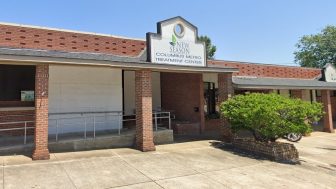
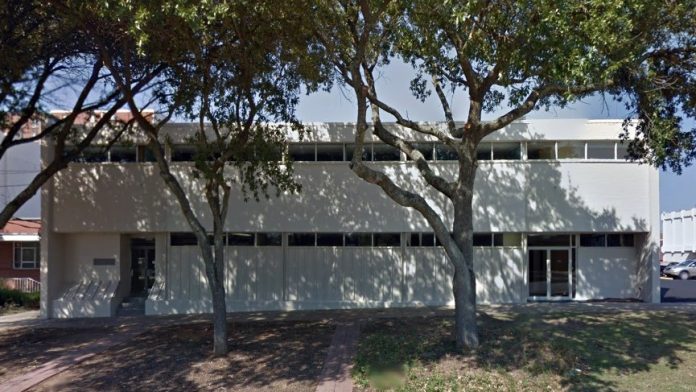
Twin Cedars Youth and Family Services is a nonprofit social services facility based in Columbus, Georgia. Care initiatives are available to young people aged 9-21 with more targeted gendered age brackets. Meanwhile, teen mothers as well as young people in state custody and survivors of sexual or domestic abuse may also seek support here.
Medicaid and other state-financed health plans are accepted along with self-pay. Certain child advocacy and abuse support services may be offered free of charge.
Keeping Youth Away from Drug Through Prevention
The Troup County Prevention Coalition is an accredited collaborative initiative that seeks to prevent and reduce cases of substance abuse among young people in the local community. This is done through planned activities and events and the sponsorship of initiatives like Red Ribbon Week and other drug-free programs.
Prevention professionals are also consulted regarding discussions around public policy and legislation reform around specific drugs, which I think is a fantastic initiative. Meanwhile, educational presentations are held, also featuring said professionals, which lends credibility.
Targeted Addiction Prevention Programs
Partners in Prevention Project (PIPP) is another initiative held that aims to provide not only prevention education services, but training and resources to local community partners.
I saw that some programs organized through PIPP include Too Good for Drugs and Parents Who Host Lose the Most.
Amenities
Some rehab programs offer free Wi-Fi to guests who have full access to their smartphone devices or laptop computers during treatment. While access to these devices may be allowed, the time spent using them is often regulated or restricted so clients can focus on treatment.
In order to maintain a sense of autonomy, many private rehab facilities offer clients the ability to choose their own private rooms. The privacy and personal space ensure that the recovery process is as comfortable as possible.
Private drug rehab provides a comfortable, secure environment that allows you to focus on doing the work to get your life back on track. Benefits include a higher staff-to-client ratio, increased one-on-one time with therapists and healthcare providers, private rooms for clients, and customized forms of therapy.
Taking time away from a demanding corporate job to attend drug rehab may seem impossible, but executive drug rehab programs combine cutting edge addiction treatment with executive amenities like Wi-Fi, access to computers, and conference calling so you can take care of your health and stay on top of business.
Residential drug rehab provides the comforts of home with the therapeutic support needed to successfully recover. Benefits of an inpatient program include increased safety, a higher success rate, and the time and distance given to focus on recovery. Residential drug rehabs are often the preferred method of treatment, as they can be tailored to meet specific needs, offer focused therapeutic care, and provide the necessary tools to sustain recovery.
Addiction Treatment Programs
A quality drug rehab in Georgia can help you overcome addiction. This environment is designed to help you address the complex issues contributing to drug dependence. The goal of treatment is to give you the tools you need to make a full recovery.
The goal of alcohol rehab in Georgia is recovery. This is a process that helps individuals achieve remission from alcohol use disorder and refrain from unhealthy drinking habits. Treatment typically includes one-on-one and group therapy sessions.
Negative thought patterns can lead to substance abuse as a way to self-medicate. During cognitive behavioral therapy in Georgia, individuals learn how to identify and stop these negative patterns and manage them in healthy ways that don’t involve substances.
LGBTQ-friendly rehab in Georgia addresses the unique needs of a diverse population. By tailoring treatment to meet these unique needs, rehabs can increase the chances of successful long-term recovery.
By offering men’s rehab in Georgia, addiction treatment centers provide an outlet for men to build bonds with other men who are facing similar challenges. The relationships formed can help men reduce their risk of relapse.
Rational emotive behavioral therapy in Georgia is used to treat substance use disorders as well as co-occurring disorders such as anxiety, depression, phobias, and obsessive-compulsive behavior. Treatment involves identifying and disrupting irrational beliefs to alter behavior.
Addiction and substance use treatment affect men and women differently. Women’s rehab in Georgia addresses the internal and external factors that women face which differ from men.
A young adult program in Georgia focuses on the motivations, challenges, and needs of this stage of life. Participants receive treatment tailored to this age bracket.
Levels of Care
Upon entering an inpatient rehab in Georgia, you will reside at the treatment center for the duration of your program. While there, you'll participate in individual, group, and family therapy sessions, and you may receive medication and additional holistic therapies.
For those with a moderate addiction, outpatient rehab in Georgia is often appropriate. This involves attending individual and group counseling sessions each week. Outpatient treatment may continue long-term if needed, until you are ready for the next stage of your recovery journey.
Georgia aftercare rehab helps you navigate sober living after treatment. As you re-enter life, you’ll have support to help you face challenges and avoid relapse. Most people need aftercare for several months, and it’s common to remain in aftercare for a year or more.
Both substance abuse and mental health disorders cause brain imbalances, so they often feed off each other. Treatment for dual diagnosis in Georgia provides access to addiction and mental health specialists, to effectively treat both conditions at once.
Accreditations
Contact Information


 Sponsored