Tripler Army Medical Center
1 Jarrett White Road
Honolulu, HI 96859
 Sponsored
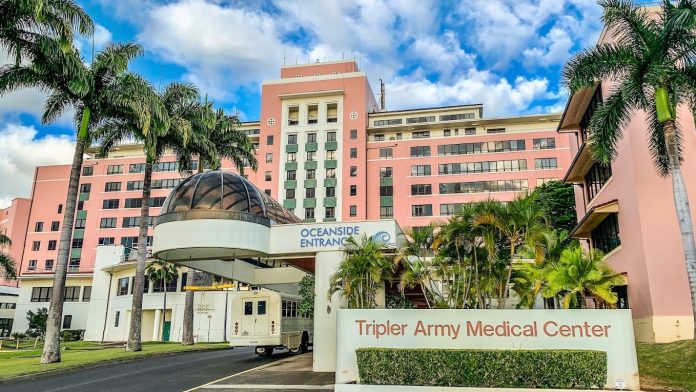
About Tripler Army Medical Center
Tripler Army Medical Center is a substance use treatment provider in Honolulu, Hawaii that serves active duty service members, military retirees, and their families across the Pacific region.
The center operates as a Department of Defense military hospital. Here, you'll find outpatient therapy, an intensive outpatient program, inpatient psychiatric care and walk-in behavioral health services. I like that their treatment combines evidence based clinical care with strong family involvement and fellowship support.
Targeted Addiction Care in Honolulu
The center offers outpatient services including individual therapy, group therapy, and medication management. The Addiction Medicine Intensive Outpatient Program (AMIOP) is a structured five-week program for substance use disorders. Inpatient psychiatric hospitalization and emergency behavioral health services are also available.
Kinds of Treatment Approaches Used
Clinicians use evidence based therapies such as cognitive behavioral therapy, prolonged exposure, and dialectical behavioral skills training. Treatment planning follows ASAM criteria and integrates relapse prevention, psychoeducation and participation in self-help groups like AA and NA.
Getting Started Here
Beneficiaries can access care through the walk-in behavioral health clinic or request an evaluation to determine the appropriate level of treatment. Tripler Army Medical Center serves TRICARE beneficiaries through the Military Health System. Both inpatient and outpatient care are covered when determined medically necessary.
When you're not in treatment, you can explore Honolulu's stunning beaches such as Waikiki Beach, enjoy outdoor excursions like snorkeling, or visit historical sites like Pearl Harbor.
Amenities
Private drug rehab provides a comfortable, secure environment that allows you to focus on doing the work to get your life back on track. Benefits include a higher staff-to-client ratio, increased one-on-one time with therapists and healthcare providers, private rooms for clients, and customized forms of therapy.
Residential drug rehab provides the comforts of home with the therapeutic support needed to successfully recover. Benefits of an inpatient program include increased safety, a higher success rate, and the time and distance given to focus on recovery. Residential drug rehabs are often the preferred method of treatment, as they can be tailored to meet specific needs, offer focused therapeutic care, and provide the necessary tools to sustain recovery.
Treatment centers with a yoga studio offer a special form of holistic therapy during the recovery process. Yoga boosts mindfulness, a sense of calm, and healthy reflection during drug rehab via breathing exercises, stretching, and a progression of specific postures.
In order to maintain a sense of autonomy, many private rehab facilities offer clients the ability to choose their own private rooms. The privacy and personal space ensure that the recovery process is as comfortable as possible.
Swimming increases blood flow to the body and brain, boosts white blood cells, and improves muscle strength, lung capacity, and overall stamina. Drug rehabs with a swimming pool offer physical and mental benefits to complement the recovery process.
Addiction Treatment Programs
A young adult program in Hawaii is important for addressing the needs of this stage of life. Young adults face different challenges and have different motivations for using substances than older adults, and a young adult rehab program addresses these unique needs.
Men and women over 18 who struggle with substance abuse can receive treatment through an adult program in Hawaii. Programs may include inpatient and/or outpatient care and typically include individual and group therapy methods.
Remission from alcohol use disorder is achieved through effective alcohol rehab in Hawaii. Participants learn how to cease heavy drinking and develop healthy lifestyle habits that lead to long-term sobriety.
Men’s rehab in Hawaii often reduces the risk of relapse and increases treatment completion rates by giving men the opportunity to create bonds with other men who have similar challenges. They feel comfortable sharing their struggles, and continue the supportive relationships after treatment.
Because women often abuse substances for different reasons than men, women’s rehab in Hawaii provides treatment that is targeted for women. Programs focus on specific trauma, stigma, bias, and gender-role issues that can affect substance use disorders among women.
Opioid rehab in Hawaii helps people recover from opioid use disorders and improve their lives. Treatment teaches participants new skills to end opioid dependence and prevent relapse. Methods include detox, inpatient, and outpatient treatment.
Cognitive behavioral therapy in Hawaii teaches people positive behaviors to replace alcohol and drug use. They learn better ways to cope with negative thoughts and emotions and challenging situations.
Elderly rehab in Hawaii can provide a safe haven for older adults to seek addiction treatment. Programs include a supportive peer network and specialists who are knowledgeable about the challenges of addiction among seniors.
During Veteran’s rehab in Hawaii, participants undergo an assessment to identify any co-occurring disorders such as PTSD. Specialists then develop a rehab plan tailored to each Veteran’s needs. Treatment may include individual therapy, group therapy, and support groups.
The backbone of rational emotive behavioral therapy in Hawaii is the ABC model. Therapists use this method to help individuals struggling with addiction alter their thinking and behavior. Individuals acknowledge the Activating event (trigger), evaluate their Beliefs (rational or irrational), and consider the Consequences (actions resulting from the beliefs about the event).
Levels of Care
During outpatient rehab in Hawaii, you will have more freedom and less oversight than with inpatient treatment. The goals will be to stay clean, demonstrate the ability to act responsibly, and show continual progress toward recovery. This will include attending therapy and support group sessions.
Often, substance abuse and mental health disorders are intricately linked. For successful recovery, Hawaii dual diagnosis treatment is necessary. This integrated approach provides crucial tools for improving both conditions and putting you on the path to recovery.
Aftercare rehab in Hawaii typically lasts for a year after your initial treatment. This program provides ongoing support to maintain sober living. Support may include budgeting assistance, career guidance, and continued counseling, as well as 12-step meetings.
When you enter inpatient drug rehab in Hawaii, you’ll live at the facility until completion of the program. In this setting, you will typically participate in individual, group, and family therapy sessions, and you may receive medication and additional recreational and holistic therapies.
The first step to becoming drug-free is detox. During this initial stage of drug rehab in Hawaii, your body is cleansed of all additive substances. The length of time varies by individual, but it always involves 24/7 medical supervision for a slow, safe process.
Hawaii sober living gives you the opportunity to solidify your sobriety before living completely independently. These residential settings offer drug-free environments with structured schedules. You’ll adhere to house rules, contribute to household chores, and attend 12-step meetings. The average stay in sober living is five to eight months.
Accreditations
Contact Information


 Sponsored