
Transitions Recovery Program
111 NW 183rd St Suite 201
Miami, FL 33169
 Sponsored
About Transitions Recovery Program
Transitions Recovery Program is a mental health and addiction treatment center that serves adults throughout Miami by offering individualized support services through partial day treatment, residential services, intensive outpatient care, educational outpatient courses, and family programs.
The facility’s website states that they accept most private insurance carriers including Beacon Health Options, First Health, Magellan, BlueCross BlueShield, and more. Clients without coverage can ask the facility about their payment options.
Treatment Services Based in Reality for Residents of Miami
To me, one thing that sets this treatment center apart from other rehabilitation centers is that they have a strong focus on reality based treatment. The facility believes sobriety is possible when clients have a supportive environment where they can learn recovery skills and find a community.
This location seeks to help clients resolve real issues that often contribute to addictions such as issues with anger management, relationships, assertiveness, spirituality, and coexisting mental health concerns.
Serving Miami Dade County Since 1985
For more than 40 years, this location has served adult men and women throughout North Miami Beach with the goal of providing the highest standard of care possible at affordable costs. Their commitment to this has led to them receiving the Gold Seal of Approval from the Joint Commission.
Clients who opt to heal at this addiction treatment center can take advantage of the scenic Atlantic coastline and visit nearby Miami beaches. I like that the recovery center is also near Oleta River State Park, where clients can enjoy other outdoor nature activities in a calming environment.
Amenities
When used as part of an evidence-based treatment plan, basketball can boost physical and mental health, lead to sharper thinking, and facilitate improved self-esteem. Drug rehabs with a basketball court also place a focus on teamwork and cooperation.
When it comes to addiction treatment, there are some undeniable benefits of attending a rehab with beach views. For clients who connect with the feeling of sand under their feet, the sounds of ocean waves rhythmically crashing against the shore, and the warmth of the sun on their skin, attending a rehab located on the beach offers a unique form of restoration that only nature can provide.
Yoga and meditation are great activities to support your recovery process during alcohol or drug rehab. These therapies have been around for centuries, and they are an effective way to improve well-being. Combining addiction treatment, yoga, and meditation can reduce cravings, improve sleep, relieve anxiety and depression, provide stress relief, promote relaxation, support emotional healing, and improve energy levels.
Private drug rehab provides a comfortable, secure environment that allows you to focus on doing the work to get your life back on track. Benefits include a higher staff-to-client ratio, increased one-on-one time with therapists and healthcare providers, private rooms for clients, and customized forms of therapy.
Recreational therapy uniquely combines therapeutic interventions with an activity, like horse-riding, hiking, wilderness therapy, basketball, tennis, or a full workout. Benefits of recreational therapy include providing a healthy way to work through the emotions of recovery, learning to build and maintain relationships, improving communication skills, and building self-esteem.
Swimming increases blood flow to the body and brain, boosts white blood cells, and improves muscle strength, lung capacity, and overall stamina. Drug rehabs with a swimming pool offer physical and mental benefits to complement the recovery process.
Treatment centers with a yoga studio offer a special form of holistic therapy during the recovery process. Yoga boosts mindfulness, a sense of calm, and healthy reflection during drug rehab via breathing exercises, stretching, and a progression of specific postures.
Addiction Treatment Programs
Treatment at an adult program in Florida addresses the needs of each individual as they work toward recovery. Programs are designed for men and women ages 18 and up, and include a variety of treatment protocols to match the severity of the addiction, type of substance, and personal situation.
Each alcohol rehab in Florida offers unique amenities and approaches, but most follow the same general guidelines. Treatment includes detox, rehabilitation, and maintenance. This is a proven approach to provide the greatest results for long-term recovery.
Cognitive behavioral therapy in Florida helps people in treatment to revisit painful thoughts and memories and learn new ways to cope with them. These newly-learned techniques replace substance use and help the individual maintain sobriety.
Florida residents who are struggling with substance abuse don’t have to face their challenges alone. Drug rehab in Florida provides quality treatment to help individuals overcome addiction and make a full recovery.
EMDR Therapy is a neurobiological treatment modality used to address trauma disorders and related mental and behavioral health challenges. Short for eye movement desensitization and reprocessing, EMDR is designed to help clients cope with distressing memories and emotions, including fear, sadness, and anger. EMDR may help clients in addiction recovery manage the psychological and emotional triggers that contribute to substance misuse and/or addiction relapse.
Gender-specific addiction treatment gives men who are struggling with substance use disorders a connection point to other men with similar struggles. This common ground can make a huge impact on men’s rehab in Florida.
Opioid rehab in Florida provides the care you need to help you safely and comfortably navigate a path to recovery. Treatment addresses both emotional and physical aspects of addiction, offering individualized tracks and custom programs.
Often, women who have a substance use disorder also have a co-occurring disorder. Women’s rehab in Florida often addresses both the addiction and mental health disorder with dual diagnosis treatment.
Young adults often develop addiction for different reasons than older individuals. That’s why a young adult program in Florida focuses on the unique pressures, needs, and challenges faced by young adults.
Levels of Care
Inpatient drug rehab in Florida allows you to receive round-the-clock supervised care while living at the facility. A combination of treatment interventions is typically offered, including individual and group therapy, nutritional counseling, experiential therapies, and medication management.
Drug rehabs in Florida offering partial hospitalization programs (PHPs) allow you to live at home while still receiving care at a treatment facility. As a type of outpatient treatment, PHPs typically require an average of five to seven visits a week, ranging from four to eight hours in length.
Outpatient rehab in Florida focuses on relapse prevention and long-term recovery. It typically includes several counseling sessions per week as well as membership in a support group such as NA or AA. This treatment can last several weeks or several months, based on your ongoing needs.
During initial rehab treatment, you learn how to get sober. Aftercare rehab in Florida helps you learn how to stay sober. Through ongoing counseling, support groups, and life coaching, you’ll develop skills to maintain sobriety as you live a successful life in recovery. This support may last up to a year or more, to keep you on the right track.
If you are struggling with both an addiction and a mental health disorder, treatment for dual diagnosis in Florida is necessary for successful recovery. This multidisciplinary approach treats both substance abuse and co-occurring disorders such as bipolar disorder, eating disorders, depression, or anxiety.
Intervention services in Florida can help you plan an intervention, facilitate the intervention, provide invaluable resources you and your loved one, and assist with executing a treatment plan through a qualified drug rehab in Florida. These services are often key to getting a loved one on the path to recovery.
Sober living in Florida provides supervised living arrangements that give you structured support during early months of recovery. In this environment, you’ll live with others in recovery, offering mutual support. You’ll adhere to house rules that typically include random drug tests, attendance at 12-step meetings, a curfew, and household chores.
Accreditations
Accepted Insurance








Contact Information


 Sponsored
Nearby Treatment Centers
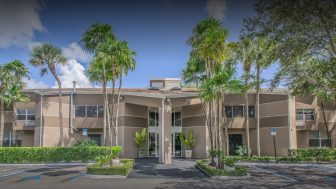
16565 Northeast 4th Avenue
Miami, FL 33162
137 Southeast 1st Avenue
Suite 133
Hallandale Beach, FL 33009
3702 Washington Street
Suite 201
Hollywood, FL 33021
20900 Biscayne Boulevard
Aventura, FL 33180
