Transitions Drug Rehabilitation and Immediate Care Residential Treatment
535 W Pike St.
Covington, KY 41011
 Sponsored
About Transitions Drug Rehabilitation and Immediate Care Residential Treatment
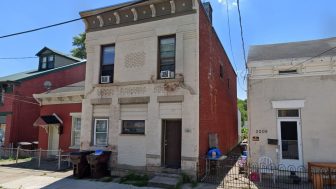
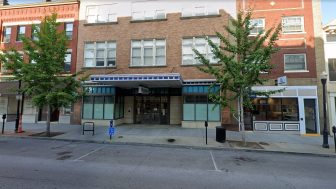
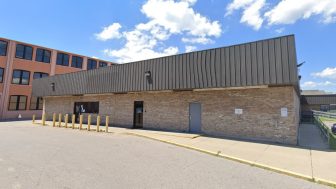
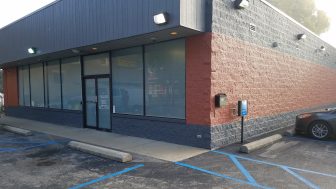
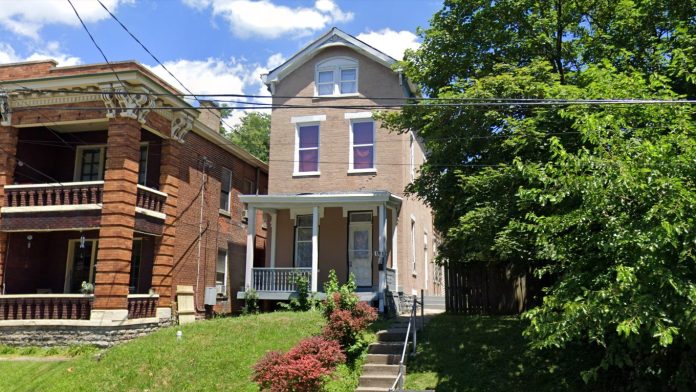
Transitions provides substance use treatment to adults in Northern Kentucky. The Covington office is their central administration office, and this location can refer you to both inpatient and outpatient treatment. Their residential treatment program is in Erlanger, about 15 minutes away.
You can use multiple insurance plans to pay for treatment at Transitions, and they accept both Kentucky and Ohio Medicaid plans. If you don’t have insurance they can help you enroll or find alternate payment options.
Residential and Outpatient Treatment in Kenton County
Transitions provides residential treatment and an intensive outpatient program (IOP) for substance use disorders. They can also address co-occurring mental health concerns. I appreciate that the team provides evidence based care through individual and group counseling and the center also has medical care if needed.
The IOP provides nine hours of treatment a week over three sessions. There is also a peer support program that’s provided as part of the aftercare program. Peers can help you connect with community resources and other services that allow you to maintain long term recovery.
I noticed that Transitions also has recovery housing for those who have finished residential treatment, including a therapeutic community for men who struggle with substance use and homelessness.
Amenities
Private drug rehab provides a comfortable, secure environment that allows you to focus on doing the work to get your life back on track. Benefits include a higher staff-to-client ratio, increased one-on-one time with therapists and healthcare providers, private rooms for clients, and customized forms of therapy.
In order to maintain a sense of autonomy, many private rehab facilities offer clients the ability to choose their own private rooms. The privacy and personal space ensure that the recovery process is as comfortable as possible.
Residential drug rehab provides the comforts of home with the therapeutic support needed to successfully recover. Benefits of an inpatient program include increased safety, a higher success rate, and the time and distance given to focus on recovery. Residential drug rehabs are often the preferred method of treatment, as they can be tailored to meet specific needs, offer focused therapeutic care, and provide the necessary tools to sustain recovery.
Addiction Treatment Programs
Alcohol rehab in Kentucky helps participants develop motivation to change, learn new coping skills, and achieve long-term sobriety. Treatment methods typically include individual and group therapy and 12-step support.
Drug rehab in Kentucky often starts with detox, then includes inpatient or outpatient treatment, and continues with aftercare support. Specific methods used during each of these phases varies, but often include individual and group counseling, medication, and recreational therapies.
Adolescents and young adults who are struggling with addiction can get help at a young adult program in Kentucky. These programs offer specialized drug abuse treatment for individuals in their teens and 20s.
Recovery from addiction happens at an adult program in Kentucky. These treatment services provide the support needed to help men and women break the cycle of addiction and live a life free from substance dependence.
Cognitive behavioral therapy in Kentucky is an effective treatment method for addiction. Individuals can practice techniques that are learned in therapy on their own, so they have the tools they need to avoid relapse and maintain sobriety.
Opioid rehab in Kentucky teaches individuals strategies to overcome addiction. Through the use of multiple treatment modalities, such as behavioral, experiential, and medication addicted treatment, these programs help men and women achieve long-term sobriety.
Women’s rehab in Kentucky provides the opportunity for women to get support from their female peers. These connections can help women overcome challenges and achieve long-term recovery.
Women’s rehab in Kentucky provides the opportunity for women to get support from their female peers. These connections can help women overcome challenges and achieve long-term recovery.
Men’s rehab in Kentucky often addresses both substance use disorders and co-occurring disorders. Men can seek treatment for drug or alcohol addiction as well as gender-specific treatment for depression, anxiety, bipolar disorder, PTSD, and ADHD.
Levels of Care
Kentucky dual diagnosis treatment centers focus on treating mental health disorders alongside addiction. Common methods include counseling, medication management, relapse prevention, and cognitive-behavior therapy.
Residents of Kentucky sober living homes receive peer support as they work toward independent living. This communal situation typically includes involvement in a 12-step program, participation in household responsibilities, and strict house rules. An average stay is five to eight months, but you can decide when you’re ready to move out on your own.
Inpatient rehab, also known as residential rehab, means living at the drug rehab in Kentucky while receiving 24/7 supervised medical care. Treatments typically include individual and group therapy, as well as medication and various forms of psychotherapy.
The process of cleansing your body of addictive substances is called detox. This is usually the first step of drug rehab in Kentucky. You’ll receive round-the-clock care during this time, including medication to alleviate withdrawal symptoms.
The goal of intervention services in Kentucky is to motivate your loved one to begin their journey toward recovery. These services can help you plan and facilitate an intervention, develop a treatment plan, and choose the best type of program for your loved one.
Kentucky outpatient rehab experts will assess your needs and create a treatment program tailored to your recovery. Treatment typically includes several hours of counseling each week as well as group therapy. You’ll probably also attend a support group such as NA or AA. Length of treatment varies based on your needs.
Ongoing recovery requires ongoing treatment in the form of Kentucky aftercare rehab Once you complete an initial treatment program, aftercare provides long-term support to keep you on the recovery path. 12-step groups, occasional counseling, and personal life coaching may continue for several months or a year.
Accreditations
Contact Information


 Sponsored