Tolan Park Research Clinic
3901 Chrysler Service Drive
Detroit, MI 48201
 Sponsored
About Tolan Park Research Clinic
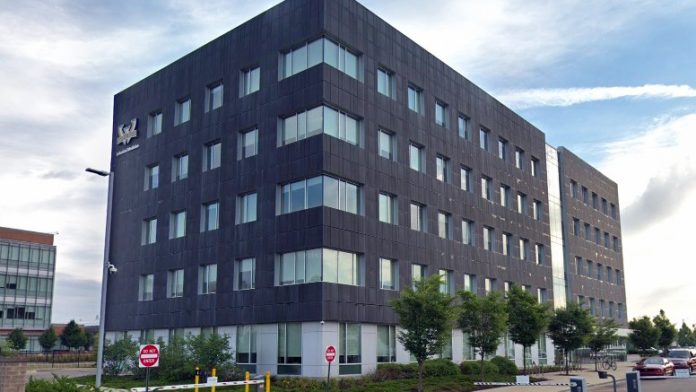
Tolan Park Research Clinic is a part of Wayne Health, offering behavioral health and psychiatric care in Detroit, Michigan. Here you’ll find outpatient and inpatient medical detox, addiction treatment and medication assisted treatment(MAT). Their approach is to treat the whole person which includes physical, behavioral and environmental needs. Programming includes a comprehensive evaluation with group and individual therapy. This location has a specialized opioid addiction treatment program that uses methadone and buprenorphine for treatment.
Treatment programs at Tolan Park are designed to help you live without substances and prepare you for situations that might tempt you to start drinking and using again. In addition to substance abuse, they’ll treat interventional resistant depression, post traumatic stress disorder and psychosis. Methadone, Suboxone and Vivitrol may be used to treat uncomfortable physical withdrawal symptoms and reduce drug cravings. They are also able to treat gambling problems at this facility.
Treatment starts with an intake evaluation and creation of a personalized treatment plan. While attending treatment you’ll be encouraged to find 12 Step and SMART recovery meetings in your local community to ensure long term sobriety.
Being a research clinic enables Tolan Park to be in tune with the latest research and clinic studies. This ensures you have the most up to date care.
One thing I like about this facility is that they offer special compassionate care training for caregivers. This is behavior based training.
Former clients have said that this is a great place that helps you work through your addictions. They report that treatment here is life changing and the staff is tremendous.
Amenities
Private drug rehab provides a comfortable, secure environment that allows you to focus on doing the work to get your life back on track. Benefits include a higher staff-to-client ratio, increased one-on-one time with therapists and healthcare providers, private rooms for clients, and customized forms of therapy.
In order to maintain a sense of autonomy, many private rehab facilities offer clients the ability to choose their own private rooms. The privacy and personal space ensure that the recovery process is as comfortable as possible.
Addiction treatment in the metro area benefits clients by offering seamless connections from the city, around the state, and those seeking out-of-state treatment. Another benefit of attending a metro area drug rehab is that you’re close to major airports and ground transportation services.
Business centers are a preferred amenity in many mental health and addiction recovery facilities and typically feature secure, high-speed internet, computer stations, printers, and related business technologies. Business centers are designed to enable professionals and students to continue to participate in work or school activities without leaving the treatment facility.
Addiction Treatment Programs
A young adult program in Michigan specializes in treatment tailored to individuals in this stage of life who are suffering from substance use disorder. Treatment addresses addiction and the challenges related to young-adult life.
No single adult program in Michigan is right for everyone. That’s why each program is tailored to meet the needs of the individual. Common aspects to an adult rehab program include individual counseling, group therapy, and aftercare support.
The backbone of most alcohol rehab in Michigan is a combination of individual and group therapy methods. Through these sessions, individuals learn how to address issues contributing to addiction and develop healthy lifestyle habits.
During men’s rehab in Michigan, individuals spend a significant amount of time in therapy. This gender-specific treatment gives men the tools they need to cope with stress and live without drugs and alcohol.
Women’s rehab in Michigan offers a full continuum of care for women seeking treatment for addiction. Programs range from intensive inpatient care to aftercare services.
Each opioid rehab in Michigan is unique, but most consist of several key steps: admission, detox, addiction therapy, specialized care, and aftercare. Professional staff evaluate each person’s needs to recommend treatment duration and specific therapies.
During cognitive behavioral therapy in Michigan, participants do more than talk with their therapists. This is an engaging, hands-on approach that requires active participation. Individuals work with their therapist to change their thought and behavior patterns to overcome addiction.
Drug rehab in Michigan typically involves several phases. Individuals start with assessment, then move through the stages of detox, rehab, and aftercare. These programs can last for one week to one year.
Women’s rehab in Michigan offers a full continuum of care for women seeking treatment for addiction. Programs range from intensive inpatient care to aftercare services.
Veteran’s rehab in Michigan is often staffed by Veterans who understand the experiences of program participants. Services are tailored to meet Veterans’ needs with focused individual and group therapy as well as nutritional education, family therapy, recreational therapy, and other interventions.
Through rational emotive behavioral therapy in Michigan, participants identify unhealthy beliefs and replace them with healthy ones. This relieves emotional distress and frees the person to move forward with better decision-making for their recovery journey.
Assertive Community Treatment (ACT) is an integrative, community-based care strategy designed to address the needs of persons with severe and/or complex mental illness or behavioral disorders. ACT is typically provided by a multidisciplinary team of medical and mental health care providers, social workers, therapists, and other specialists, including addiction recovery professionals. These services are frequently provided in the home and community to clients in crisis, those who are clinically unstable, and those who are unable or unwilling to travel to a hospital or clinic for in-person treatment.
Levels of Care
Outpatient rehab in Michigan is tailored to each person’s recovery journey. This treatment usually involves several hours of therapy sessions each week, along with attendance at support group meetings. However, the timeline varies from a few weeks, to months, to years, based on your needs.
A dual diagnosis treatment center in Michigan allows you to get treatment for substance abuse and mental health disorders at the same time. This is critical, because untreated mental health disorders often lead to relapse and poor recovery outcomes.
When you enter drug rehab in Michigan, you’ll start with detox. This process includes round-the-clock supervision and medical care, to slowly and safely remove toxins from your system. It may include the use of medications to ease withdrawal.
Intervention services in Michigan are often key to starting the recovery process. Intervention specialists provide support to encourage your loved one to get the help they need, provide access to educational and comjunity resources, and offer assistance with developing intervention and treatment plans.
Accreditations
Contact Information


 Sponsored