Turning Point At Washington
199 North Main Street
Washington, PA 15301
 Sponsored
About Turning Point At Washington
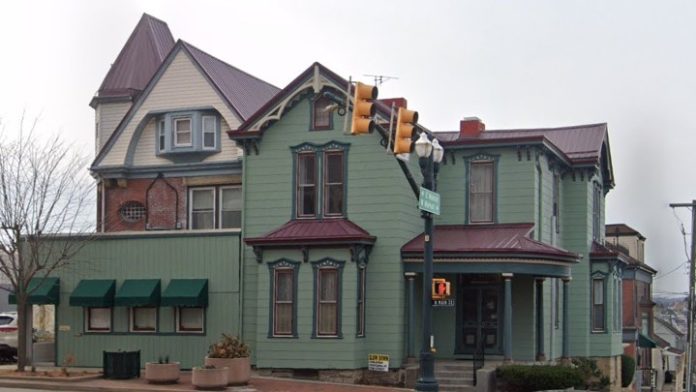
Turning Point At Washington is an addiction treatment center in Pennsylvania that provides targeted support to adult women, including pregnant individuals and mothers with children under the age of 5. Many of its residents come from Washington specifically, as well as various surrounding counties. They accept Medicaid for residents of the halfway house, while private pay is accepted for Julie’s House.
Nationally Recognized Care Standards
This facility’s services are provided in line with nationally recognized standards of care laid out by the American Society of Addiction Medicine (ASAM). I think this alignment lends an additional air of credibility to the facility’s programming, inspiring confidence in those navigating treatment options.
Residences for Pregnant and Parenting Moms
Clients here can benefit from residential support through the center’s 24 bed halfway house. A special halfway house and three-quarter house is also provided for pregnant women and those with young children, while another three-quarter house is provided for single women.
Along with housing support, which I think is great for individuals seeking additional stability during this phase of life, clients can also expect to engage in life skills workshops and family support services, as well as group and individual counseling sessions.
Amenities
Private drug rehab provides a comfortable, secure environment that allows you to focus on doing the work to get your life back on track. Benefits include a higher staff-to-client ratio, increased one-on-one time with therapists and healthcare providers, private rooms for clients, and customized forms of therapy.
Residential drug rehab provides the comforts of home with the therapeutic support needed to successfully recover. Benefits of an inpatient program include increased safety, a higher success rate, and the time and distance given to focus on recovery. Residential drug rehabs are often the preferred method of treatment, as they can be tailored to meet specific needs, offer focused therapeutic care, and provide the necessary tools to sustain recovery.
Recreational therapy uniquely combines therapeutic interventions with an activity, like horse-riding, hiking, wilderness therapy, basketball, tennis, or a full workout. Benefits of recreational therapy include providing a healthy way to work through the emotions of recovery, learning to build and maintain relationships, improving communication skills, and building self-esteem.
Addiction Treatment Programs
A young adult program in Pennsylvania provides a comfortable, age-appropriate environment for treatment. These programs offer life skills education, individualized treatment, family therapy, and aftercare.
The Keystone State offers many resources for those struggling with substance use disorders. Each adult program in Pennsylvania provides individualized care, to meet people where they are and help them take the next step on their recovery journey.
Alcohol rehab in Pennsylvania uses various treatment techniques to teach you how to change your lifestyle, living environment, and social connections. These changes help you control urges to drink and learn how to prevent relapse.
Men’s rehab in Pennsylvania can help men receive support from other men who understand their challenges. This provides a sense of camaraderie that relieves feelings of isolation.
Women’s rehab in Pennsylvania helps females struggling with substance use disorders build the skills necessary to maintain sobriety. Treatment is designed to help women stay on track for long-term recovery.
Opioid rehab in Pennsylvania often includes medication assisted treatment, which helps alleviate withdrawal. This treatment is combined with other therapies that give you skills to navigate addiction and achieve long-term recovery.
Cognitive behavioral therapy in Pennsylvania helps participants identify inaccurate thinking and learned patterns of negative behavior and how to change them. It gives participants the skills to relieve their symptoms without turning to substances.
Levels of Care
Mental illness and substance abuse are so integrated that they must be treated together. Ignoring one and treating the other doesn’t work. Dual diagnosis treatment in Pennsylvania effectively addresses both mental health and substance abuse disorders, for the best outcomes.
Following rehab, you can receive much-needed ongoing support through aftercare rehab in Pennsylvania. Services may include financial planning, career guidance, legal advice, and other practical supports, as well as counseling and 12-step groups. Taking advantage of these resources greatly reduces the chance of relapse.
When first starting drug rehab in Pennsylvania, many individuals begin with inpatient rehab. This involves staying at the facility 24/7 and receiving a variety of treatment methods that typically include group and individual counseling.
An average stay at a Pennsylvania sober living home is designed to decrease your chances of relapsing. While there, you’ll work on strengthening your recovery skills and prepare to live on your own. You’ll attend 12-step meetings, work or go to school, and follow a structured schedule that provides stability and accountability.
Contact Information


 Sponsored