
Mindpath Health – Situs Ct, Raleigh – Closed
Closed: Please See Nearby Facilities
Raleigh, North Carolina
 Sponsored
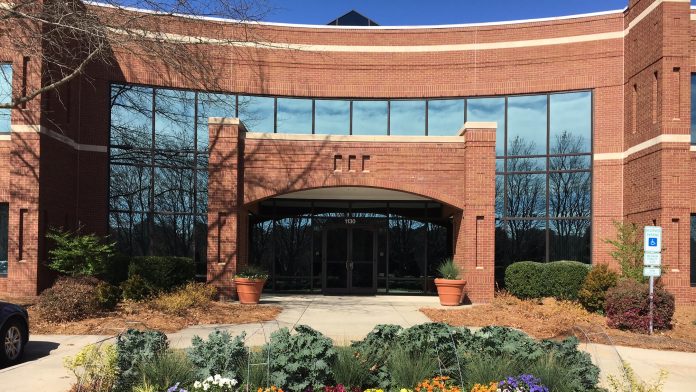
About Mindpath Health – Situs Ct, Raleigh – Closed
MindPath Care Centers in Raleigh, North Carolina offered outpatient mental health care that felt approachable and practical. Whether you were navigating anxiety, depression or addiction, or just trying to make sense of a tough season in life, they made it easy to get started.
Services were available in person or virtually and they welcomed clients of all ages. What I think made things even smoother was their broad insurance coverage. They accepted everything from Medicaid and Medicare to Tricare and Blue Cross. Unfortunately though this facility has now closed.
A Care Model That Looked Beyond the Diagnosis
What stood out to me about MindParth was how they treated the whole person and not just the list of symptoms. It was not about labeling you but about learning what was going on beneath the surface and helping you work through it in a way that fits your goals. I love that they leaned into both established therapy techniques and newer innovation in mental health treatment.
Honest Feedback from Real People
Some clients here said their therapist made a real difference in their life. Others had a harder time with scheduling or front desk communication. I've dealt with that kind of mix before so I know how important it is to advocate for yourself and keep asking for the right fit.
Amenities
Private drug rehab provides a comfortable, secure environment that allows you to focus on doing the work to get your life back on track. Benefits include a higher staff-to-client ratio, increased one-on-one time with therapists and healthcare providers, private rooms for clients, and customized forms of therapy.
In order to maintain a sense of autonomy, many private rehab facilities offer clients the ability to choose their own private rooms. The privacy and personal space ensure that the recovery process is as comfortable as possible.
Addiction Treatment Programs
When individuals participate in a young adult program in North Carolina, they feel more at ease in a setting that is age-appropriate. Activities, therapies, and aesthetics are all tailored for this age group, so participants can feel comfortable and are more likely to complete the program.
Men’s rehab in North Carolina offers customized treatment for men. These programs provide personalized treatment that is designed with the unique needs of men in mind.
Women’s rehab in North Carolina allows women to receive gender-specific treatment tailored to their needs. Programs are available for alcohol, heroin, prescription drugs, benzos, and any other addictive substances, as well as co-occurring disorders.
Many therapists use cognitive behavioral therapy in North Carolina to treat substance use disorders. This goal-oriented method addresses maladaptive thinking and related beliefs that affect behaviors and can lead to addiction.
The goal of rational emotive behavioral therapy in North Carolina is to help you develop healthy emotional, behavioral, and cognitive patterns so you can increase your quality of life and achieve sobriety goals. This is accomplished by increasing healthy, rational beliefs.
Assertive Community Treatment (ACT) is an integrative, community-based care strategy designed to address the needs of persons with severe and/or complex mental illness or behavioral disorders. ACT is typically provided by a multidisciplinary team of medical and mental health care providers, social workers, therapists, and other specialists, including addiction recovery professionals. These services are frequently provided in the home and community to clients in crisis, those who are clinically unstable, and those who are unable or unwilling to travel to a hospital or clinic for in-person treatment.
Levels of Care
When you choose inpatient drug rehab in North Carolina, you’ll live at a rehab facility for 28 to 90 days, depending on the program. Typical methods of treatment include group and individual therapy and family counseling.
Some of the most common co-occurring mental health disorders include anxiety, depression, and eating disorders. When these are present alongside substance use disorder, dual diagnosis treatment in North Carolina is necessary to address both conditions.
Find Rehab Centers Near Raleigh

1140 Kildaire Farm Rd
Suite 108-1
Cary, NC 27511

222 E Chatham St
Cary, NC 27511
875 Walnut St
# 275
Cary, NC 27511
206 High House Rd
Suite 200
Cary, NC 27513
