
The Meadowglade – Mental Health Residential
6446 Meadowglade Dr
Moorpark, CA 93021
 Sponsored
About The Meadowglade – Mental Health Residential
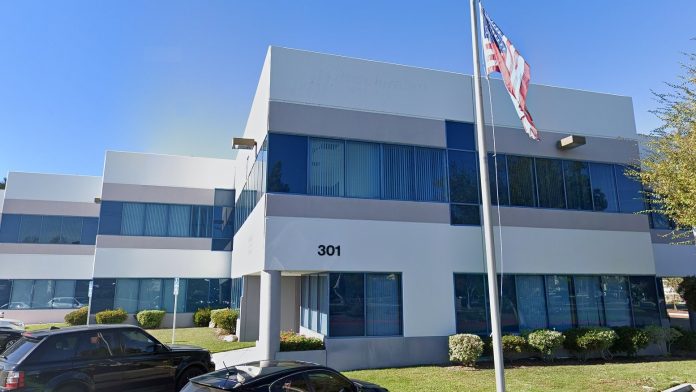
At The Meadowglade in suburban Moorpark, California, you can find behavioral health care if you're seeking treatment for addiction or mental health issues. They're situated on a beautiful, private 24-acre estate that features idyllic rolling hills, secret gardens, and fruit orchards. They feature various outpatient programs that can last for several months.
Levels of Care for All
Their levels of care impressed me a lot since they offer residential treatment, a partial hospitalization program, an intensive outpatient program (IOP), and a regular outpatient program. They treat co-occurring conditions and offer ways to learn about independent living and therapeutic principles that can benefit your mind, body, and spirit.
Another thing that stood out to me is that they offer supportive housing for their clients. This can help you immensely on your recovery journey if you're seeking housing options in the process of your recovery.
Their program uses several different therapeutic modalities, such as cognitive (CBT) and dialectical behavior therapy (DBT), stress reduction, and eye movement desensitization and reprocessing therapy (EMDR). They also use holistic therapy, equine therapy, and family therapy. Finally, they offer psychiatry and medication management.
Amenities
Recreational therapy uniquely combines therapeutic interventions with an activity, like horse-riding, hiking, wilderness therapy, basketball, tennis, or a full workout. Benefits of recreational therapy include providing a healthy way to work through the emotions of recovery, learning to build and maintain relationships, improving communication skills, and building self-esteem.
Acupuncture is one of the most popular luxurious and alternative therapies offered by rehabs. An acupuncture room provides benefits like pain reduction, improved sleep, a healthy immune system, and a decrease in anxiety.
The massage room offers a wealth of benefits as part of an overall evidence-based drug and alcohol recovery program. Massage therapy boosts blood flow and flushes lactic acid from the muscles, and the vascular benefits last several days after the massage.
Art and music are mediums that connect with our feelings, making them a great recovery tool during addiction treatment. Studies show that combining art/music and drug rehab can have a greater therapeutic impact than drug rehab alone, as you’re able to access parts of your brain and body that you may not have access to during traditional talk therapy. Benefits of art/music therapy include lowering stress and anxiety, promoting healthy neurochemicals, and providing stress relief.
Swimming increases blood flow to the body and brain, boosts white blood cells, and improves muscle strength, lung capacity, and overall stamina. Drug rehabs with a swimming pool offer physical and mental benefits to complement the recovery process.
Hiking is a great way to relieve stress, get perspective, navigate challenges, connect with nature, and improve your health - all essential components of sustaining long-term recovery. Studies also show that the body releases endorphins during physical activities like hiking. These endorphins improve mood and act as a natural pain reliever.
In order to maintain a sense of autonomy, many private rehab facilities offer clients the ability to choose their own private rooms. The privacy and personal space ensure that the recovery process is as comfortable as possible.
Addiction Treatment Programs
When a person is struggling with addiction, their actions and emotions may not be rational. Cognitive behavioral therapy in California helps individuals understand better why they feel and act certain ways and how those emotions and actions can lead to substance abuse.
EMDR Therapy is a neurobiological treatment modality used to address trauma disorders and related mental and behavioral health challenges. Short for eye movement desensitization and reprocessing, EMDR is designed to help clients cope with distressing memories and emotions, including fear, sadness, and anger. EMDR may help clients in addiction recovery manage the psychological and emotional triggers that contribute to substance misuse and/or addiction relapse.
Levels of Care
When you choose outpatient rehab in California, you will meet with a counselor and attend support group meetings. The focus will be on restructuring attitudes and thoughts to reduce cravings and develop skills to prevent relapse. The length of time in outpatient rehab varies by individual, based on their recovery needs.
When you have a co-occurring disorder, it is essential to treat both your addiction and the mental health disorder. California dual diagnosis treatment provides this type of multidisciplinary approach, for improved recovery outcomes.
Community support and relationship-building are key elements of aftercare rehab in California. You’ll receive recovery coaching, social support, and mentors to help you maintain sobriety after completing initial rehab treatment. This support will continue as long as you need it, which could be weeks or more than a year.
Unlike outpatient drug rehab, clients receiving inpatient rehab in California reside at the facility for the duration of the program. The length of stay may range from two weeks to 18 months or more, depending on the client's needs and the program’s design.
Partial hospitalization programs (PHPs) are a type of outpatient treatment program that often utilize many of the same treatment methods used for inpatient care. The difference being that you only visit the drug rehab in California during treatment times, then you can return home.
Accreditations
Contact Information


 Sponsored
Nearby Treatment Centers

169 Odebolt Dr
Thousand Oaks, CA 91360

11811 Darlene Lane
moorpark
Moorpark, CA 93021
360 Camino De Celeste
Thousand Oaks, CA 91360
2144 Boe Cir
Thousand Oaks, CA 91362
