Crown Heights Counseling Center
Closed: Please See Nearby Facilities
Brooklyn, New York
 Sponsored
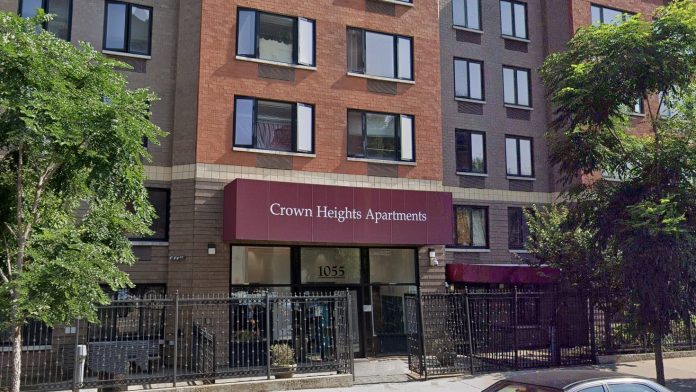
About Crown Heights Counseling Center
Crown Heights Counseling Center was a community based mental health and addiction treatment center in Brooklyn, New York. They served people of all ages and backgrounds. They are no longer open; however, their parent organization (The Jewish Board) operates similar services at other locations in the area.
Treatment was delivered in a general outpatient setting. They specialized in addressing different traumas and mental illnesses in addition to addiction. Medication assisted treatment (MAT) was also an option.
Like current Jewish Board services, Crown Heights Counseling Center was dedicated to serving the underserved. They accepted many insurance plans (including Medicaid) and could help those with little or no income, which remains true for their remaining counseling services.
Recognizing the Diversity of Their Community
This facility offered individualized care to people of all backgrounds, including different faiths and sexual orientations. I think this is a great thing because it ensures that you'll get one on one care that aligns with your experiences and beliefs rather than trying to force you into a box.
Their team also offered treatment in multiple languages. This practice continues today with the Jewish Board’s remaining programs.
Bringing in the Family
One of the modalities used by Crown Heights Counseling Center was family therapy. Even if you're the only one living with addiction, it may be worth considering this option because this family counseling can teach your loved ones how they can best assist you and themselves. This counseling also allows family members to address any trauma they’ve experienced related to your substance use.
Combining Medicine with Counseling
The choice to use medicine in treating anything is always a personal one. Crown Heights Counseling Center offered medication management and medication assisted treatment to those who wanted to explore this option. If you're open to it, you may find that medication assisted treatment and medication management are effective methods of zeroing in on what medications work best for you.
I think it's a great tool when combined with counseling. It can help by tackling addiction and its symptoms on the chemical level.
Amenities
Private drug rehab provides a comfortable, secure environment that allows you to focus on doing the work to get your life back on track. Benefits include a higher staff-to-client ratio, increased one-on-one time with therapists and healthcare providers, private rooms for clients, and customized forms of therapy.
Addiction Treatment Programs
A quality adult program in New York provides a combination of medical, mental, and emotional support to treat the whole individual. Various methods are used to help adults achieve and maintain sobriety.
Cognitive behavioral therapy in New York emphasizes how thoughts affect mood. It is a goal-oriented method that teaches participants how to address dysfunctional thoughts and underlying beliefs that can lead to substance abuse and addiction.
Some men benefit most from men’s rehab in New York. These programs understand the unique challenges that men face when struggling with addiction, and they offer personalized treatment to address these challenges.
Men and women face different issues when it comes to addiction and recovery. Women’s rehab in New York offers treatment approaches that address life issues that are specific to women.
While at a young adult program in New York, young people can participate in activities and therapy sessions that cater to their age bracket. They can also form relationships with other young adults for mutual support.
Levels of Care
For those who require accountability but less intensive oversight, outpatient rehab in New York is a good option. During this treatment, you meet regularly with a counselor and attend support group meetings, for accountability and encouragement. This may last for a few weeks or months, based on your recovery journey.
Mental health disorders that co-occur with substance abuse disorders often cause relapse. For successful recovery, both disorders must be treated, with dual diagnosis treatment in New York. Common methods include cognitive-behavioral therapy, medication management, and counseling.