Human Service Center
1200 Hamilton Blvd
Peoria, IL 61606
 Sponsored
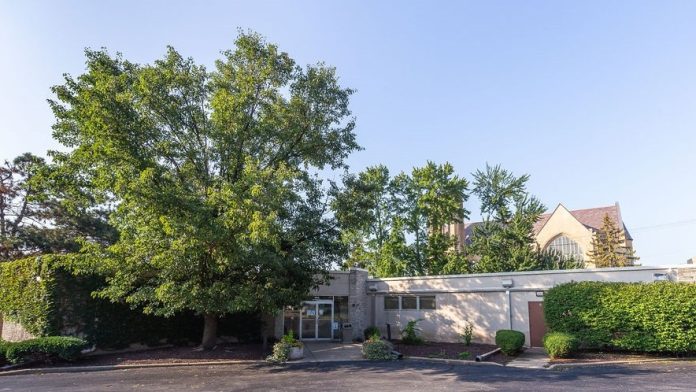
About Human Service Center
Trillium Place on Hamilton in Peoria, Illinois, offers various outpatient services for the treatment of substance use disorders. They also provide mental health services in the same location. So if you have a dual diagnosis, you can get treatment for your addiction and mental health disorder at the same time.
Transport links to Trillium Place feature several bus routes running past the clinic, with several bus stops on Hamilton Boulevard itself. There aren’t a great deal of amenities close by, but a few blocks away you’ll find Giant Oak Park, which features a tranquil picnic area for a moment of calm reflection. The giant oak tree at the centre of the park is really awe-inspiring.
Medication Assisted Recovery with Tailored Medications
If you’re looking to get clean, but find cravings for substances are preventing you from abstaining from substances, Medicated assisted recovery (MAR) at Trillium Place can help maintain sobriety. MAR is the use of prescription medications combined with behavioral counseling and behavioral therapies. I noticed that medications to reduce cravings and withdrawal symptoms include methadone, buprenorphine, acamprosate, naltrexone, and various tobacco cessation products.
Additional outpatient services round out your recovery. Among them are individual and group counseling, family programming, and 12-step support and education.
If your chemical dependency is life-threatening or is so severe that detoxing is dangerous, you may be referred to an inpatient detox program in the Trillium Place network. I noticed that inpatient detoxification provides medical monitoring around the clock so substances are purged from the system in a safe and comfortable manner.
Amenities
Private drug rehab provides a comfortable, secure environment that allows you to focus on doing the work to get your life back on track. Benefits include a higher staff-to-client ratio, increased one-on-one time with therapists and healthcare providers, private rooms for clients, and customized forms of therapy.
Residential drug rehab provides the comforts of home with the therapeutic support needed to successfully recover. Benefits of an inpatient program include increased safety, a higher success rate, and the time and distance given to focus on recovery. Residential drug rehabs are often the preferred method of treatment, as they can be tailored to meet specific needs, offer focused therapeutic care, and provide the necessary tools to sustain recovery.
Transportation services are designed to ensure your addiction treatment begins and ends successfully by offering free transportation to the rehab facility, to and from your appointments during rehab, and back home upon program completion.
Addiction treatment in the metro area benefits clients by offering seamless connections from the city, around the state, and those seeking out-of-state treatment. Another benefit of attending a metro area drug rehab is that you’re close to major airports and ground transportation services.
Wilderness rehab programs offer all the benefits of a traditional drug rehab, but with the added benefits of outdoor adventure. Venture out into the forest to learn new skills, explore the beauty of nature, and relieve stress. Engaging in wilderness activities is a great way to gain self-discovery and release negative emotions.
Addiction Treatment Programs
Some of the most common services offered in a young adult program in Illinois include individual and group counseling, medication management, educational courses, and 12-step programs. These programs are tailored to address the challenges of this stage of life.
Individuals who are struggling with addiction to drugs or alcohol can get support at an adult program in Illinois. Designed for men and women over the age of 18, these programs offer rehabilitation treatment and recovery services.
Each alcohol rehab in Illinois is unique, but most include three basic aspects of treatment: medical detox, psychotherapy, and medication. Through these methods, participants receive treatment for the physical, mental, and emotional aspects of alcohol use disorder.
Men’s rehab in Illinois typically includes individual, group, and family therapies. Group sessions are conducted with men only, which encourages greater vulnerability and sharing opportunities among participants.
Women who have substance use disorders are more likely than men to have co-occurring mental health disorders. Women’s rehab in Illinois often provides treatment for dual diagnosis, so women can get help for their addiction and disorders such as anxiety or depression.
Learn the skills you need to break free from opioid dependence at opioid rehab in Illinois. Program options include detox, inpatient rehab, outpatient rehab, counseling, and medication assisted treatment programs, which are tailored to meet the needs of the individual.
In Illinois, cognitive behavioral therapy is an effective method for addiction treatment. It teaches effective communication skills, provides tools to help people improve mood, and empowers participants to dismiss insecurities that can lead to substance abuse.
Many substance abuse treatment plans include rational emotive behavioral therapy in Illinois. This treatment replaces negative decisions with healthy ones, helps prevent relapse, provides conflict-resolution skills, and improves interpersonal relationships.
Levels of Care
Outpatient rehab in Illinois may be brief or long-term, depending on the individual. During this time, you will maintain membership in a support group as well as attend one-on-one counseling sessions. The focus is ongoing development of life skills that will prevent relapse.
An Illinois dual diagnosis program treats both your mental health and recovery needs. Psychiatrists and addiction specialists work together to address co-occurring disorders, such as depression, anxiety, or ADHD.
Aftercare rehab in Illinois lowers the chance of relapse. This program offers support to help you face challenges after you successfully complete rehab. By providing guidance, accountability, and assistance with basic life skills, aftercare gives you confidence to navigate temptations and maintain sobriety.
Inpatient rehab in Illinois features intensive clinical supervision and a highly structured and supportive environment, meaning this level of care is especially well suited for clients just beginning their recovery journey and those at risk of relapse.
The first step toward a drug-free future is typically detox. This initial phase of drug rehab in Illinois can last up to a week. During this time, addictive substances are slowly and safely cleansed from your body.
Accreditations
Contact Information


 Sponsored