
The Fellowship Center
 Sponsored
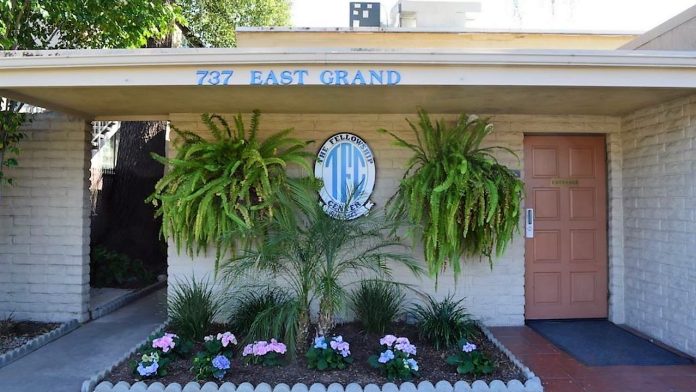
About The Fellowship Center
The Fellowship Center is a drug and alcohol rehab in Escondido, California. It treats men only, 18 or older, and it doesn’t offer medical detox. The center has run since 1963.
Paying for Treatment in Escondido
They look at what you can pay, but nobody gets turned away because they can’t. The center takes health insurance and keeps private pay beds.
Part of the funding is a federal substance abuse block grant, run through San Diego County’s health agency.
30 to 120 Day Programs
The Fellowship Center runs residential stays of 30, 60, 90 or 120 days, set by what you need. Outpatient rehab is offered through a nonresident program with the same services as residential care. Counseling and groups cover relapse warning signs and what to do about them.
Finish treatment and you can move into sober living for as long as two years, longer with special exceptions. The homes are shared, and residents practice everyday skills like cooking and keeping the place up with roommates.
Credentialed staff who specialize in alcohol and drug addiction run the treatment. Loved ones get resources too.
Amenities
Residential drug rehab provides the comforts of home with the therapeutic support needed to successfully recover. Benefits of an inpatient program include increased safety, a higher success rate, and the time and distance given to focus on recovery. Residential drug rehabs are often the preferred method of treatment, as they can be tailored to meet specific needs, offer focused therapeutic care, and provide the necessary tools to sustain recovery.
Addiction Treatment Programs
Typically, a young adult program in California can guide individuals from detox, through initial treatment, and extends to aftercare. Treatment gives young adults what they need to reset their lives and move to the next stage of life free from addiction.
Any male 18 or older with an alcohol or drug problem can be admitted to the program, whatever the substance.
Alcoholism sits alongside drug addiction in what the center treats, and men have come here for both since 1963.
The program is for men, and it has worked with men on alcoholism and drug addiction since 1963. Any male 18 or older with either problem can be admitted.
Women’s rehab in California provides a safe environment where women can work through addiction challenges surrounded by their gender peers. This often creates an environment that is more conducive to recovery.
For those who are struggling with opioid use disorder, help is available at opioid rehab in California. This complex addiction can be treated through a combination of evidence-based therapies and medication assisted treatment.
When a person is struggling with addiction, their actions and emotions may not be rational. Cognitive behavioral therapy in California helps individuals understand better why they feel and act certain ways and how those emotions and actions can lead to substance abuse.
Drug rehab in California teaches participants constructive ways to stay clean and sober. Treatment revolves around helping individuals stop using the substance they are addicted to and learn healthy habits to avoid relapse.
Seniors face unique challenges that may contribute to substance use disorder and co-occurring disorders. Elderly rehab in California is designed to address these challenges to provide relevant and safe treatment for seniors.
The incidence of substance abuse and addiction is higher among the LBGTQ community. That’s why LBGTQ-friendly rehab in California is available, to offer specialized treatment that addresses the unique needs of individuals in this demographic.
12-Step Programs are among the most popular and proven addiction recovery programs in the world. They are predicated on a lifelong recovery model that prioritizes whole-person healing and integrates the physical, psychological, emotional, social, and spiritual aspects of recovery. Programs are free, anonymous, open to the public, and community-based and are centered on group support, one-on-one peer coaching, and recovery education.
Levels of Care
The nonresident program carries the same services as residential rehab. It runs in an outpatient setting, for people who don't stay on site.
When you have a co-occurring disorder, it is essential to treat both your addiction and the mental health disorder. California dual diagnosis treatment provides this type of multidisciplinary approach, for improved recovery outcomes.
Community support and relationship-building are key elements of aftercare rehab in California. You’ll receive recovery coaching, social support, and mentors to help you maintain sobriety after completing initial rehab treatment. This support will continue as long as you need it, which could be weeks or more than a year.
Residential recovery runs 30, 60, 90 or 120 days, and TFC sets the length by your level of need, not a fixed number.
When you enter drug rehab in California, detox is the first step towards becoming drug-free. The detox process includes 24/7 monitoring and medical care and may include the use of medications to ease withdrawal symptoms.
Sober living here means an independent, alcohol-free and drug-free setting after treatment, for people working on living skills before a full return to the community. Stays can run up to two years, longer with special exceptions.
Intervention services in California provide the support you need to encourage a loved one to make wise recovery decisions. Professionals will help you work with your loved one to develop an intervention plan and get him or her started on their recovery journey.
Partial hospitalization programs (PHPs) are a type of outpatient treatment program that often utilize many of the same treatment methods used for inpatient care. The difference being that you only visit the drug rehab in California during treatment times, then you can return home.
Accreditations
Contact Information


 Sponsored
Mariah Bourne holds a Master of Arts in Community Social Psychology from the University of Massachusetts Lowell. With a background in addiction research, she now works as a freelance content writer. She’s dedicated to creating valuable resources for people seeking recovery from substance abuse.
Kerry Nenn is an award-winning writer and editor whose published works include 10 books and extensive content in the addiction/recovery space. Based in the St. Louis area, she holds a bachelor’s degree in social work and psychology (BSW) from Evangel University (Springfield, MO). Kerry regularly contributes to industry-leading websites, international journal publications, and Christian ministries.
Rehabs.org regularly reviews this listing for accuracy but changes may occur between updates. For the most up-to-date information, please contact The Fellowship Center.
Nearby Treatment Centers
161 N Date Street
Escondido, CA 92025
235 West 5th Avenue
Suite 130
Escondido, CA 92025
130 South Fig Street
Escondido, CA 92025
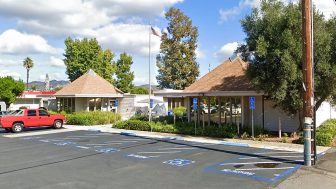
815 East Pennsylvania Avenue
Escondido, CA 92025
Popular California Cities
More Cities View Other California CitiesFAQs
Can you get care here if you can't pay?
Ability to pay does get reviewed, but a lack of funds doesn’t bar admission. Insurance is accepted, and private pay beds are kept for people paying directly. The center asks that you get in touch to talk through the payment side.
Is The Fellowship Center residential, outpatient, or both?
Both, plus sober living. Stays run 30, 60, 90 or 120 days at the residential end, and the nonresident program delivers the same services through outpatient rehab. Sober living is for people who finish treatment and need time on living skills before a full return to the community.
Who can be admitted to the program?
Any male 18 or older with an alcohol or drug problem. Men come for both alcohol and drug problems, and the program has taken men since 1963.
