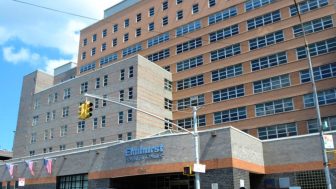
Hank Auffarth Family Center Asian Outreach Program – Closed
Closed: Please See Nearby Facilities
Elmhurst, New York
 Sponsored

About Hank Auffarth Family Center Asian Outreach Program – Closed
The Hank Auffarth Family Center Asian Outreach Program sat in Elmhurst, New York, and was all about making mental health and substance use support feel accessible for Asian immigrants and first‑generation Americans. It was a homey outpatient spot where you can get help in your own language and feel understood not just as a client but as someone whose culture matters. However, the center has since closed.
A Place That Gets You
Therapists and counselors spoke everything from Mandarin and Korean to Tagalog and Bengali, so you didn’t have to wrestle with English when you worked through your condition. They offered individual, group, and family counseling, and they treated trauma, addiction, and everyday mental health issues using behavioral therapy.
Addressing DWIs
If you had a DWI requirement, they provided groups for that too. What stood out is how they broke down cultural and language barriers with bicultural staff who really understood the experience of balancing two worlds. If you were a parent and needed to talk to your child’s school, they even helped translate so you and your kid weren’t left out of the loop.
Who Comes Through the Door
They assisted kids as young as school age, teens figuring out their way, adults juggling work and family pressures, and anyone up to 64 who needed support around substance use or mental health.
Logistics and About Town
They took Medicaid and state insurance, and if you didn’t have coverage, they worked with you on a sliding scale. The center itself is about 2,300 square feet.
After a session you could have walked over to Elmhurst Park or hit Queens Center Mall if you needed a moment to yourself. Newtown Playground and Queens Place Mall are close, so whether you wanted fresh air or a quick bite, you had options right outside the door.
Addiction Treatment Programs
A quality adult program in New York provides a combination of medical, mental, and emotional support to treat the whole individual. Various methods are used to help adults achieve and maintain sobriety.
To address the full range of issues involved in alcohol use disorder, an alcohol rehab in New York often incorporates a variety of treatment methods. Physical activity, nutrition, psychotherapy, and support groups are common aspects of treatment.
Cognitive behavioral therapy in New York emphasizes how thoughts affect mood. It is a goal-oriented method that teaches participants how to address dysfunctional thoughts and underlying beliefs that can lead to substance abuse and addiction.
Some men benefit most from men’s rehab in New York. These programs understand the unique challenges that men face when struggling with addiction, and they offer personalized treatment to address these challenges.
There are many options available for opioid rehab in New York. Treatment programs include detox, inpatient rehab, outpatient rehab, or intensive outpatient programs (IOPs). Consider the severity of your addiction, how long you’ve been addicted, and personal history to determine which type of program is best for you.
During elderly rehab in New York, you’ll participate in a variety of therapies, including individual, group, and family. Common methods include cognitive behavioral therapy, 12-step methods, and case management, all with a focus on age-specific needs.
Men and women face different issues when it comes to addiction and recovery. Women’s rehab in New York offers treatment approaches that address life issues that are specific to women.
While at a young adult program in New York, young people can participate in activities and therapy sessions that cater to their age bracket. They can also form relationships with other young adults for mutual support.
Levels of Care
For those who require accountability but less intensive oversight, outpatient rehab in New York is a good option. During this treatment, you meet regularly with a counselor and attend support group meetings, for accountability and encouragement. This may last for a few weeks or months, based on your recovery journey.
Mental health disorders that co-occur with substance abuse disorders often cause relapse. For successful recovery, both disorders must be treated, with dual diagnosis treatment in New York. Common methods include cognitive-behavioral therapy, medication management, and counseling.