
Tennessee Valley Recovery Center – Knoxville Alcohol & Drug Rehab
2723 Asbury Rd
#103
Knoxville, TN 37914
 Sponsored
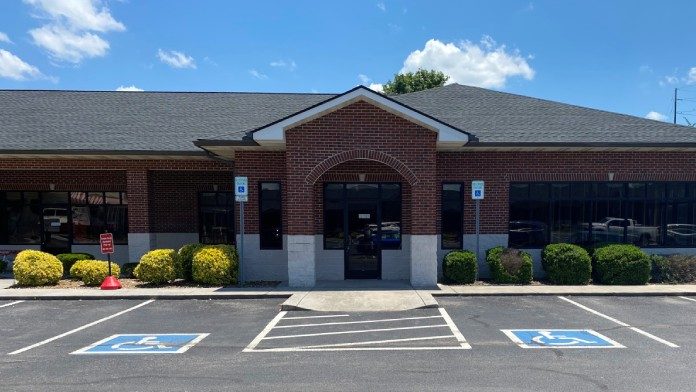
About Tennessee Valley Recovery Center – Knoxville Alcohol & Drug Rehab
Tennessee Valley Recovery Center treats substance addiction in Knoxville, Tennessee. They have partial hospitalization programs, intensive outpatient programs, and medication assisted treatment available to help with recovery.
Their day program is appropriate for those needing more structure than outpatient services allow and who want the freedom to continue working or attending school and live at home. You’ll attend therapy sessions using the most common methods, like cognitive and dialectical behavior therapies. These include attending group and individual therapy meetings.
Meds are available to help reduce drug cravings and lessen withdrawal symptoms. These medications are prescribed and monitored by a physician to ensure safety.
You’ll also have access to support groups during treatment. These are informal gatherings with others in recovery, giving you a safe space to share your struggles and experiences with addiction.
Art therapy provides an outlet for relaxation and expression to help concentrate on your feelings and thought processes. They also have educational resources on fitness and nutrition to offer a complete continuum of care.
Amenities
Private drug rehab provides a comfortable, secure environment that allows you to focus on doing the work to get your life back on track. Benefits include a higher staff-to-client ratio, increased one-on-one time with therapists and healthcare providers, private rooms for clients, and customized forms of therapy.
Residential drug rehab provides the comforts of home with the therapeutic support needed to successfully recover. Benefits of an inpatient program include increased safety, a higher success rate, and the time and distance given to focus on recovery. Residential drug rehabs are often the preferred method of treatment, as they can be tailored to meet specific needs, offer focused therapeutic care, and provide the necessary tools to sustain recovery.
In order to maintain a sense of autonomy, many private rehab facilities offer clients the ability to choose their own private rooms. The privacy and personal space ensure that the recovery process is as comfortable as possible.
There’s nothing more distressing than leaving pets at home when leaving for for rehab. That’s why many addiction treatment programs are now pet friendly, allowing you to bring pets with you while attending a residential drug rehab program. These tailored addiction treatment programs provide a private room that has space to comfortably support you and your beloved furry companion.
Addiction Treatment Programs
A young adult program in Tennessee helps participants overcome the effects of substance use on the developing brain. Participants build positive peer relationships, learn how to manage stress without drugs or alcohol, and develop tools for resolving trauma and setting boundaries.
An adult program in Tennessee helps individuals reclaim their lives from addiction. Through various treatment methods, adults learn how to end their dependence on substances and live a drug-free lifestyle.
An alcohol rehab in Tennessee provides treatment to break free from alcohol addiction. Methods typically combine counseling, group support, and behavioral therapy, with alcohol abstinence and long-term sobriety as the goals.
Men’s rehab in Tennessee addresses the different life experiences and genetic factors that shape how men are affected by addiction. By doing so, this type of treatment can be most effective for men who are struggling with substance use.
The main goal of women’s rehab in Tennessee is to provide a comfortable setting where women can focus on recovery. This environment helps women in treatment nurture their body, mind, and spirit without distractions.
Opioid rehab in Tennessee helps you overcome your addiction to opioids. Programs typically include detoxification, medication assisted treatment, and counseling. Detox helps you safely manage withdrawal. Counseling helps you explore the reasons behind your addiction and learn skills to overcome it.
Therapists and clients work collaboratively during cognitive behavioral therapy in Tennessee to develop strategies for problem solving and changing behaviors. This solution-based therapy helps change thinking and behavior patterns that lead to addiction.
Drug rehab in Tennessee prepares you to start life anew with the right tools to maintain sobriety. You’ll learn how to manage stress, adopt healthy lifestyle habits, and prevent relapse. This is typically accomplished through counseling, medication, and evidence-based therapies.
An elderly rehab in Tennessee is adapted to the physical, emotional, and mental needs of seniors. Treatment is customized for the individual, with a focus on intervention, treatment, and relapse prevention.
The main goal of women’s rehab in Tennessee is to provide a comfortable setting where women can focus on recovery. This environment helps women in treatment nurture their body, mind, and spirit without distractions.
Veteran’s rehab in Tennessee may also treat co-occurring mental health conditions such as depression, PTSD, anxiety, and panic disorder. By providing this treatment for dual diagnosis, Veteran’s rehab programs effectively address needs that are common among Veterans.
As a form of psychotherapy, rational emotive behavioral therapy in Tennessee helps clients focus on the present and examine their unhealthy behaviors. Treatment teaches clients to identify how their beliefs are negatively impacting their lives and gives them the skills to alter irrational beliefs and resulting behaviors.
EMDR Therapy is a neurobiological treatment modality used to address trauma disorders and related mental and behavioral health challenges. Short for eye movement desensitization and reprocessing, EMDR is designed to help clients cope with distressing memories and emotions, including fear, sadness, and anger. EMDR may help clients in addiction recovery manage the psychological and emotional triggers that contribute to substance misuse and/or addiction relapse.
Animal & equine therapy are evidence-based complementary therapies drawing on the emotional, psychological, and physiological benefits of regular contact with animals. Addiction recovery programs may incorporate the care of therapy dogs, cats, horses, and other animals into their treatment model to support clients’ development of recovery-focused life skills, including personal responsibility, time management, and empathy. Contact with therapy animals may reduce stress, enhance mood, decrease depression and anxiety, and increase clients’ self-esteem and sense of wellbeing.
Assertive Community Treatment (ACT) is an integrative, community-based care strategy designed to address the needs of persons with severe and/or complex mental illness or behavioral disorders. ACT is typically provided by a multidisciplinary team of medical and mental health care providers, social workers, therapists, and other specialists, including addiction recovery professionals. These services are frequently provided in the home and community to clients in crisis, those who are clinically unstable, and those who are unable or unwilling to travel to a hospital or clinic for in-person treatment.
Hypnotherapy is an evidence-based complementary approach to addiction treatment in which clients enter an induced state of deep relaxation. Once the client has entered this hypnotic state, the hypnotherapist uses various techniques, including guided imagery and positive affirmations, to help clients “unlearn” negative behaviors, such as substance misuse, and adopt healthy ones. The approach supports clients’ long-term mental, physical, and emotional wellbeing and reduces their risk of relapse by tapping into the power of the subconscious mind.
Levels of Care
Those who are coping well with reentry into society while sober are good candidates for outpatient rehab in Tennessee. This program involves attending multiple on-site sessions per week to provide accountability and support. Treatment lasts as long as you need it to, as it's based on your recovery progression.
Substance abuse disorders are often accompanied by mental health issues such as depression, bipolar disorder, or ADHD. In these cases, dual diagnosis treatment in Tennessee offers integrated treatment to effectively treat both co-occurring disorders.
One of the best ways to prevent relapse is to take advantage of Tennessee aftercare rehab. This program begins as soon as initial treatment ends. It provides ongoing support through counselors, support groups, and life coaches, to help you overcome hurdles on your recovery journey.
Typically, drug rehab in Tennessee begins with a detox program.. This is the process of slowly and safely purging all addictive substances from your system. Detox may take a couple of days to a week, depending on your personal history and drug of choice. .
Intervention services in Tennessee are available for family members who need support as they try to guide a loved one toward wise choices. To get loved ones the help they need, intervention specialists offer facilitation of interventions, access to valuable resources, and guidance in choosing the best treatment plan.
Tennessee's partial hospitalization programs (PHPs) are an effective addiction treatment option for people who have either completed an inpatient program or cannot commit to inpatient rehab. A PHP offers recovery services several hours a day for five to seven days a week, then clients are able to return home.
Accreditations
Contact Information


 2723 Asbury Rd
#103
Knoxville, TN 37914 Sponsored
2723 Asbury Rd
#103
Knoxville, TN 37914 Sponsored
Nearby Treatment Centers

600 Henley St
208 Conference Center Building
Knoxville, TN 37902
2202 Martin Luther King Jr Ave
Knoxville, TN 37915
1515 E Magnolia Ave
Knoxville, TN 37917
3127 Martin Luther King Junior Avenue
Knoxville, TN 37914
